Annual Antarctic Treaty talks opened in Hiroshima, Japan, on Tuesday, with delegates set to weigh stronger protection for emperor penguins and ways to manage fast-growing tourism in the region. [1, 2, 3, 4]
Officials from nearly 60 Antarctic Treaty signatory countries are attending the meeting, which has brought about 400 government officials and researchers to Hiroshima from some 50 countries. [1, 2, 3, 4] The treaty, signed in 1959, protects Antarctica and its wildlife, sets the continent aside for science and peace, and freezes territorial claims. [1, 2, 3, 4]
Francisco Berguno said the Hiroshima talks matter because Antarctica is increasingly affected by global challenges such as climate change. He said the continent plays a critical role in regulating Earth's climate and oceans and called for long-term thinking, careful management and international trust. [2, 4]
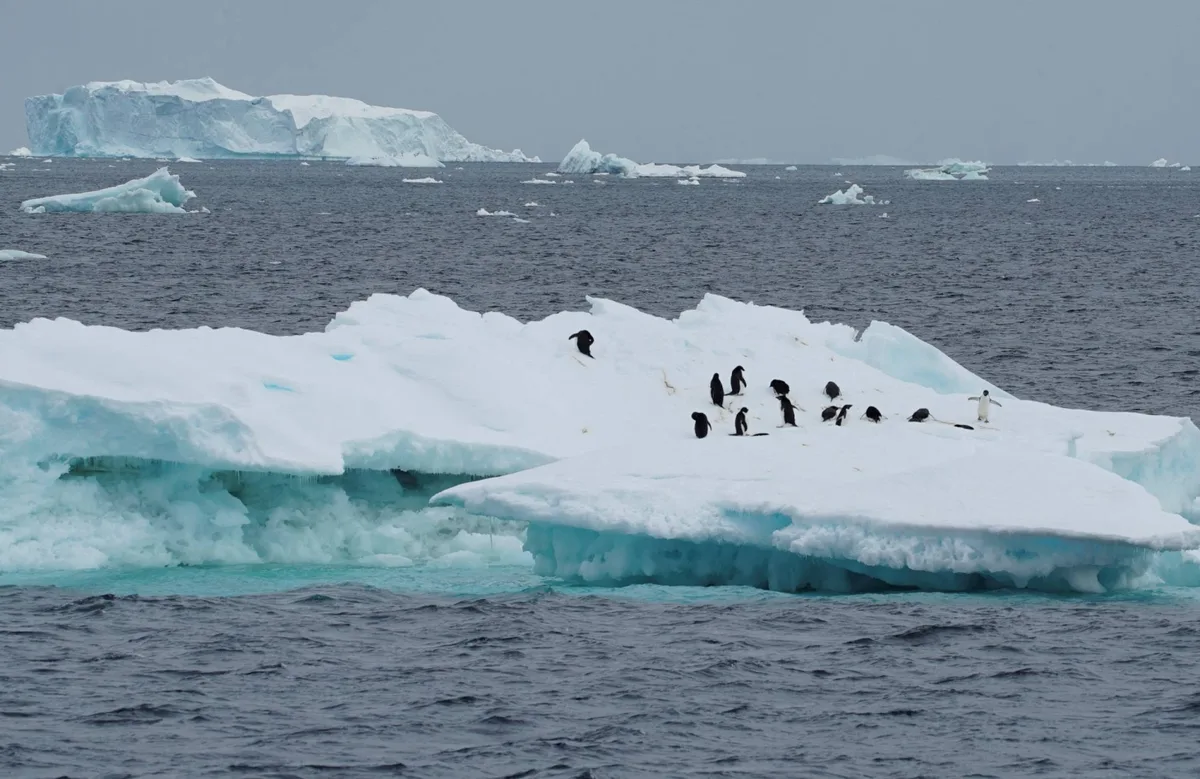
The push for tighter penguin safeguards gathered pace after the International Union for Conservation of Nature declared emperor penguins endangered last month. WWF is urging delegates to designate the species as specially protected and to curb shipping and tourism pressures. [2, 3, 4] Rod Downie of WWF warned that the birds could be heading toward extinction by the end of this century unless action is taken now. [2, 4]
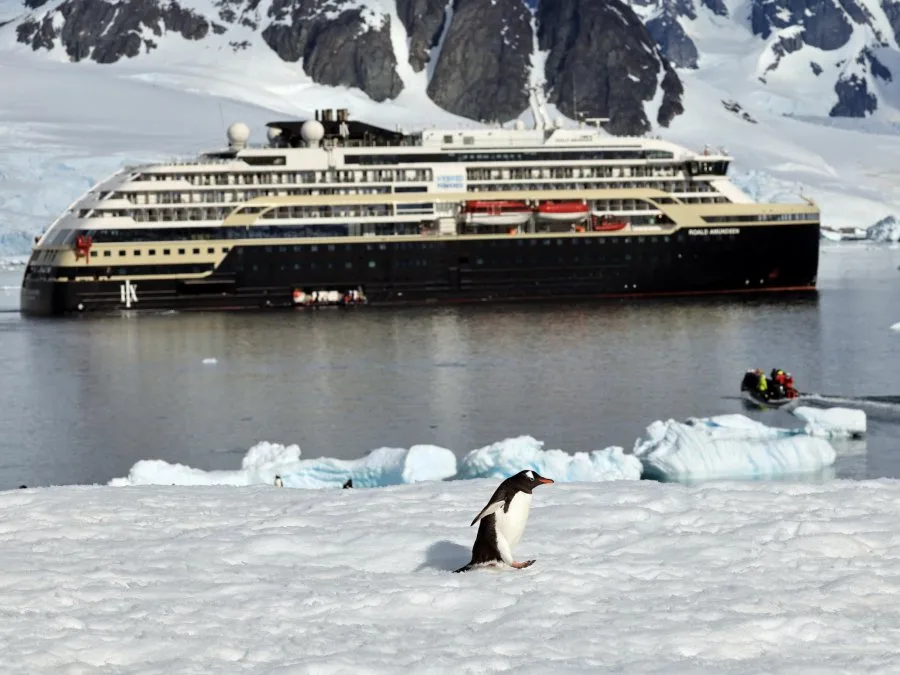
Tourism is also under scrutiny as visitor numbers to Antarctica reached nearly 120,000 in 2024-25. Delegates are considering limits on specific areas or activities and possible quotas, as experts say current rules do not cover newer pursuits such as kayaking, hot-air ballooning and motorcycle riding. Hideki Uyama said how to regulate and manage Antarctic tourism has become a key issue. [2, 3, 4]
Some reports said a decision on upgrading emperor penguin protections in Hiroshima was unlikely, while others did not give a clear read on the chances of agreement. [2, 3, 4] The talks continue in Hiroshima with delegates due to keep negotiating over species protection and tourism rules. [1, 2, 3, 4]