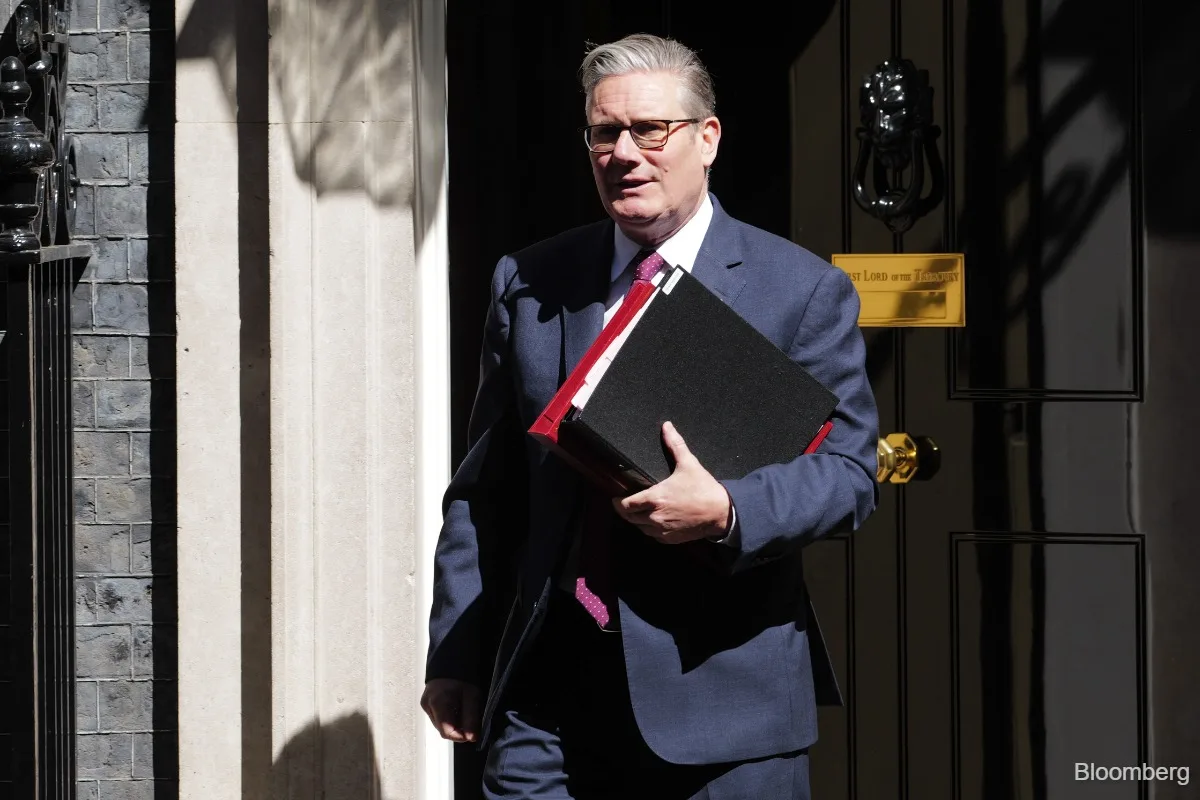
Long-term UK government borrowing costs soared to their highest level since 1998, with 30-year gilt yields reaching around 5.8% and 10-year yields just above 5.1% on May 12, 2026 [1, 2, 3, 4]. This surge coincided with growing political pressure on Prime Minister Keir Starmer, as more than 70 Labour MPs publicly called for his resignation amid escalating party unrest [1, 2, 3].
The political uncertainty stems from fears that Starmer’s successor could take a more left-leaning stance, pursuing increased public spending and loosening fiscal discipline. Potential successors such as Andy Burnham and Angela Rayner are seen as likely to increase spending by up to £50 billion over five years, contributing to market unease [1, 3, 4]. Neil Wilson, investor strategist at Saxo Markets, said: "We could see a blowout in longer-dated gilts if this turns into a dogfight – political, fiscal and inflationary risks will rise." He added that uncertainty over government leadership worsens the already fragile fiscal position and could make inflation more persistent [1].
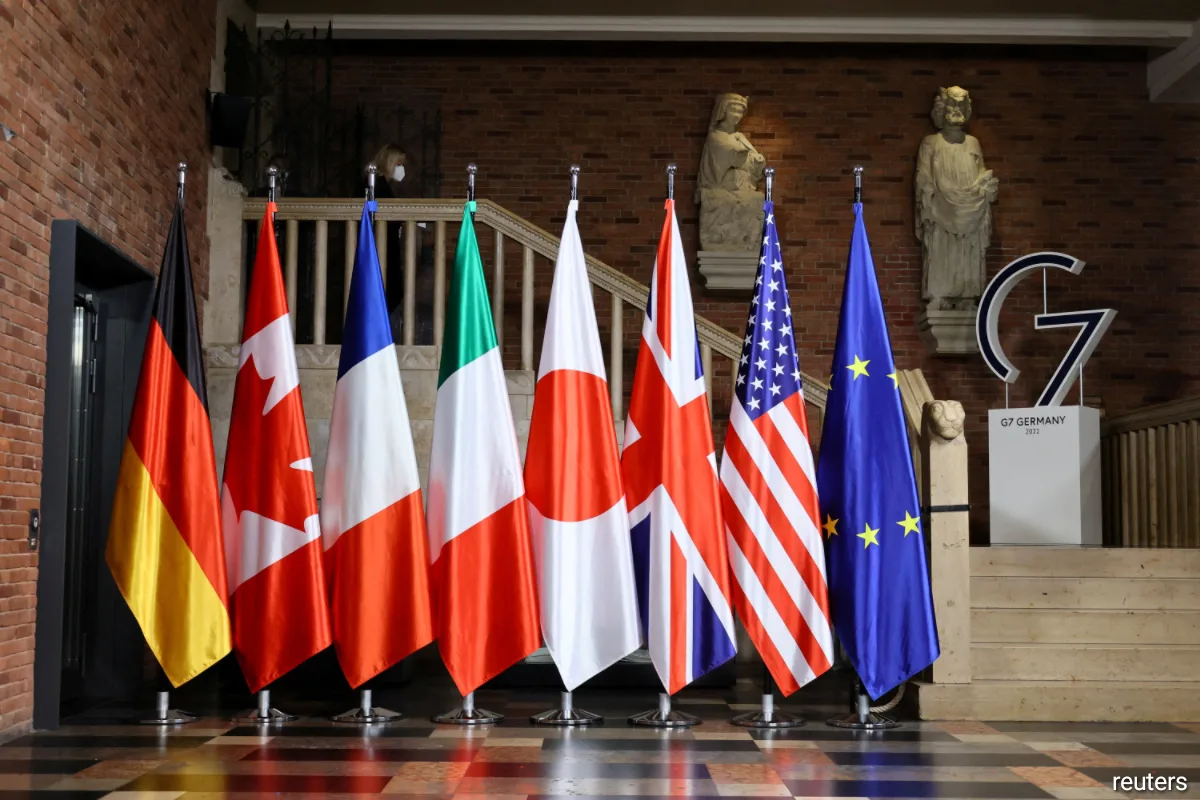
The UK gilt yield increase outpaced those of comparable maturities in the US and Germany since the start of 2026, leaving UK borrowing costs the highest among G7 advanced economies [2, 4, 5]. Kathleen Brooks, research director at XTB, noted: "The bond market is reacting not only to Starmer’s potential departure, but also to who his successor could be, and to the prospect of a drawn-out leadership battle that leads to more fiscal promises that the UK cannot afford." [2]
The surge in yields reflected broader market nervousness. The pound sterling fell between 0.3% and 0.7% against the US dollar and euro, dropping to a range of $1.351 to $1.354 [1, 2, 3]. UK stock markets also declined, with the FTSE 100 falling 0.5% to 1%, and bank shares including Barclays, NatWest, and Lloyds down 3% to 4% [1, 2, 3]. Gordon Shannon, a partner at investment firm TwentyFour, said, "There's a lot of fear in the price with gilts." [4]
Investors are also concerned about rising energy prices driven by conflict in Iran, which is contributing to higher inflation and pushing bond yields up globally [1, 2, 5]. Matt Cairns, head of fixed income strategy at Rabobank, commented: "This latest pressure in a now long line of political upheavals merely adds to the view that no matter who is in power... there does not appear to be a credible plan to restore the country’s finances. Gilts will remain under pressure." [3]
Despite the sharp rise in borrowing costs, some analysts see no immediate risk of a crisis like the 2022 bond market rout triggered by Liz Truss’ mini-budget. Kevin Thozet from Carmignac said investors had charged Britain a "so-called moron premium" back then, and that could describe the current environment [4].
On May 12, amid rising unrest, Starmer consulted with his colleagues ahead of a cabinet meeting as ministerial aides quit, and calls for his resignation increased [1, 2]. On May 13, G7 government borrowing costs were reported hitting 20-year highs due to debt levels, geopolitical tensions, inflation, and interest rate risks [5]. The US Treasury yields also rose on May 14, reflecting inflation and expectations of Federal Reserve rate hikes [6].
The UK government and financial markets will be closely watching developments in Labour’s leadership crisis and next steps from Prime Minister Starmer in the coming days.