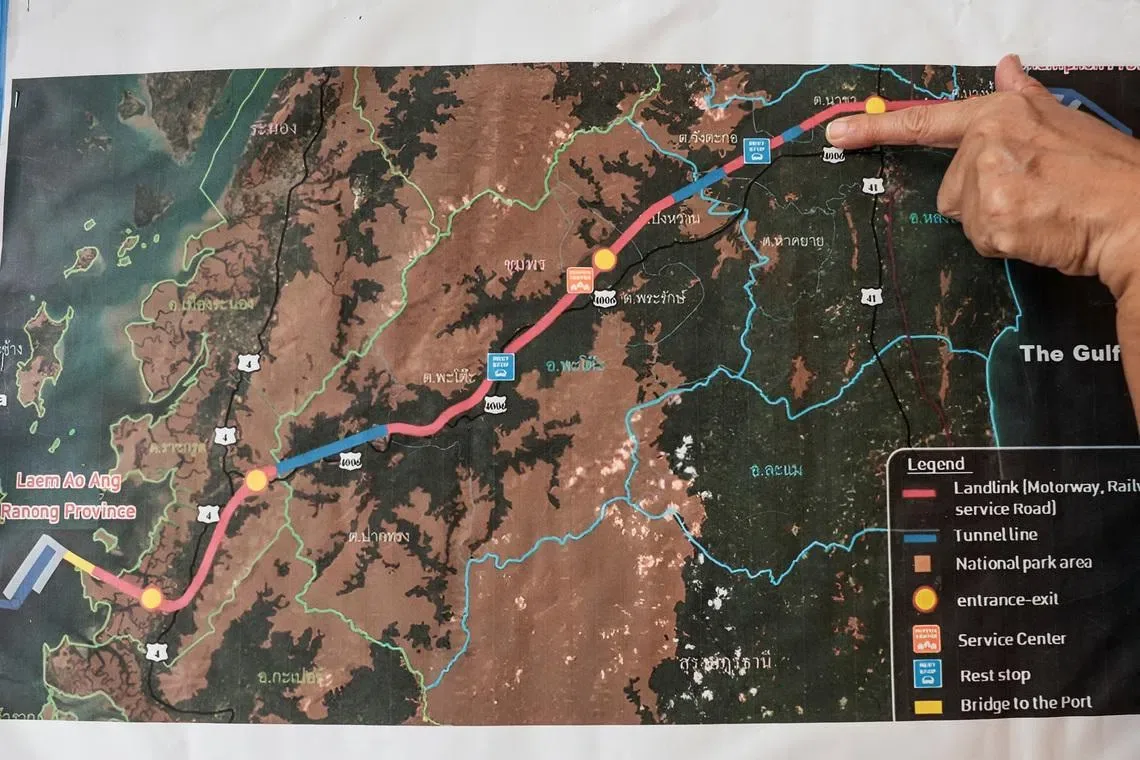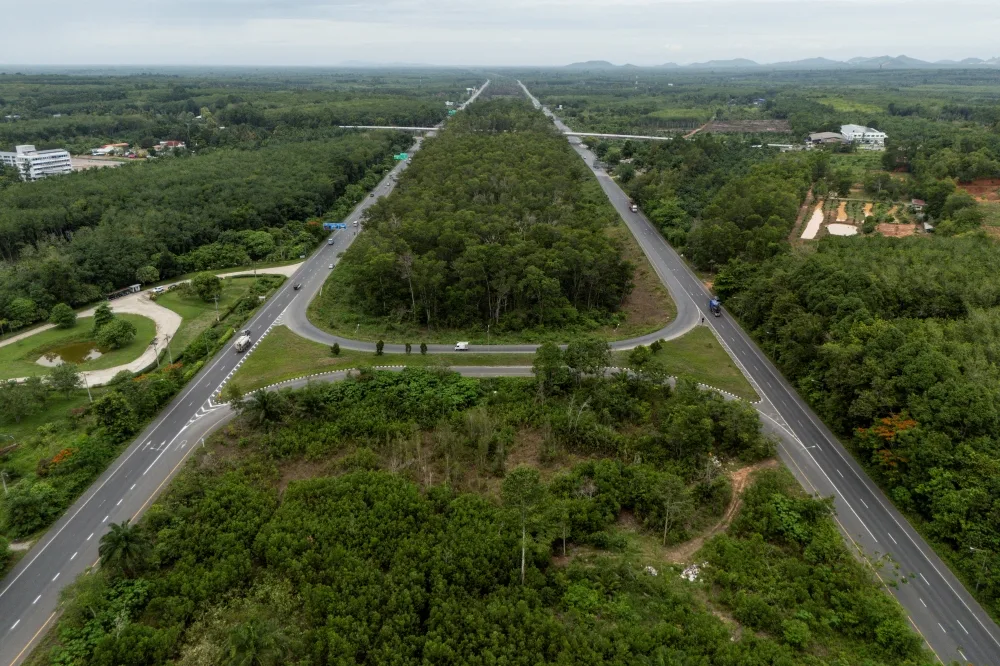
Thailand’s government announced plans to build a ‘Land Bridge’ logistics corridor connecting two deep-sea ports on opposite coasts: Chumphon on the Gulf of Thailand and Ranong on the Andaman Sea [1, 2, 3, 4]. The roughly 90-kilometer corridor would include a standard-gauge railway crossing the peninsula [3].
The project aims to offer a strategic alternative route to the congested Strait of Malacca. It intends to speed shipments between southern China and Indian Ocean ports serving South Asia and the Middle East, potentially cutting transit times by up to 14 days and reducing logistics costs by nearly 30 percent [1, 2, 3].
Estimated costs range widely, from 900 billion to 1 trillion baht—equivalent to roughly $30.45 billion to $39.2 billion—reflecting variations in reporting and currency exchange assumptions [1, 2, 3, 4]. The higher figure of about $39 billion is supported by multiple sources, while a lower estimate of $30.45 billion is cited by others [1, 2, 3, 4].
Geopolitical tensions in key maritime chokepoints such as the Hormuz Strait partly motivate the project. Analysts say while the corridor is unlikely to rival the Malacca Strait globally, it may emerge as a modular national security asset to secure local energy routes and boost Thailand’s western export capabilities. Eugene Mark of Singapore’s ISEAS-Yusof Ishak Institute said, "The land bridge may ultimately... emerge as a modular national security asset aimed at securing local energy routes and boosting Thailand’s own western export capabilities" [3].
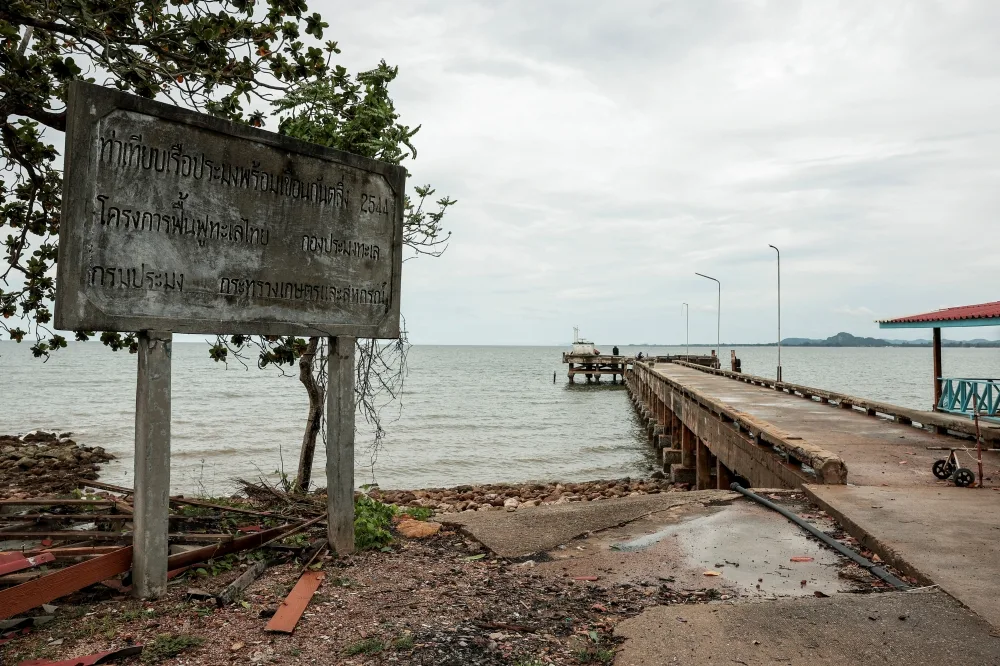
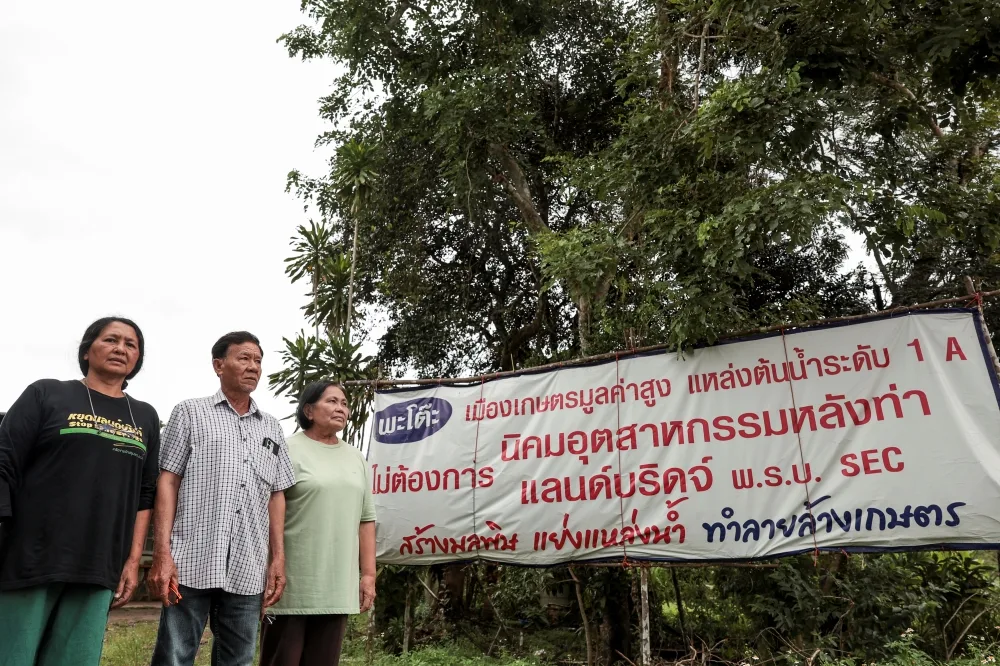
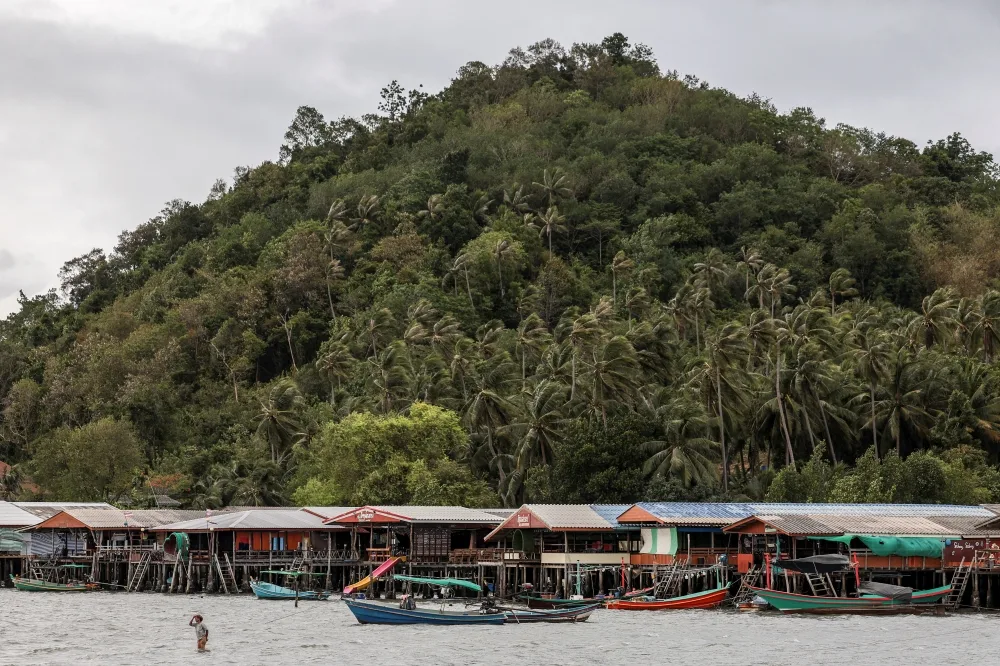
Local communities have voiced opposition amid concerns of livelihood losses. Fishermen near Baan Hat Sai Dam, including Chaiyaporn Arunrasamee, expressed strong resistance. He said, "Personally, I don’t want it to happen at all" and questioned, "This thing will be located in the area where we make our living. Where will we go?" [1].
Investors also remain cautious due to the project's high cost, logistical complexity, and geopolitical sensitivities [1, 2, 4].
The corridor’s core infrastructure involves a 90 km railway cutting across the narrowest part of the peninsula [3]. The timeline shows opposition voiced by local fishermen in May 2026 and detailed media coverage published on June 18 by outlets like Malay Mail and Japan Times, which highlighted both investor caution and local resistance [1, 2, 3, 4].