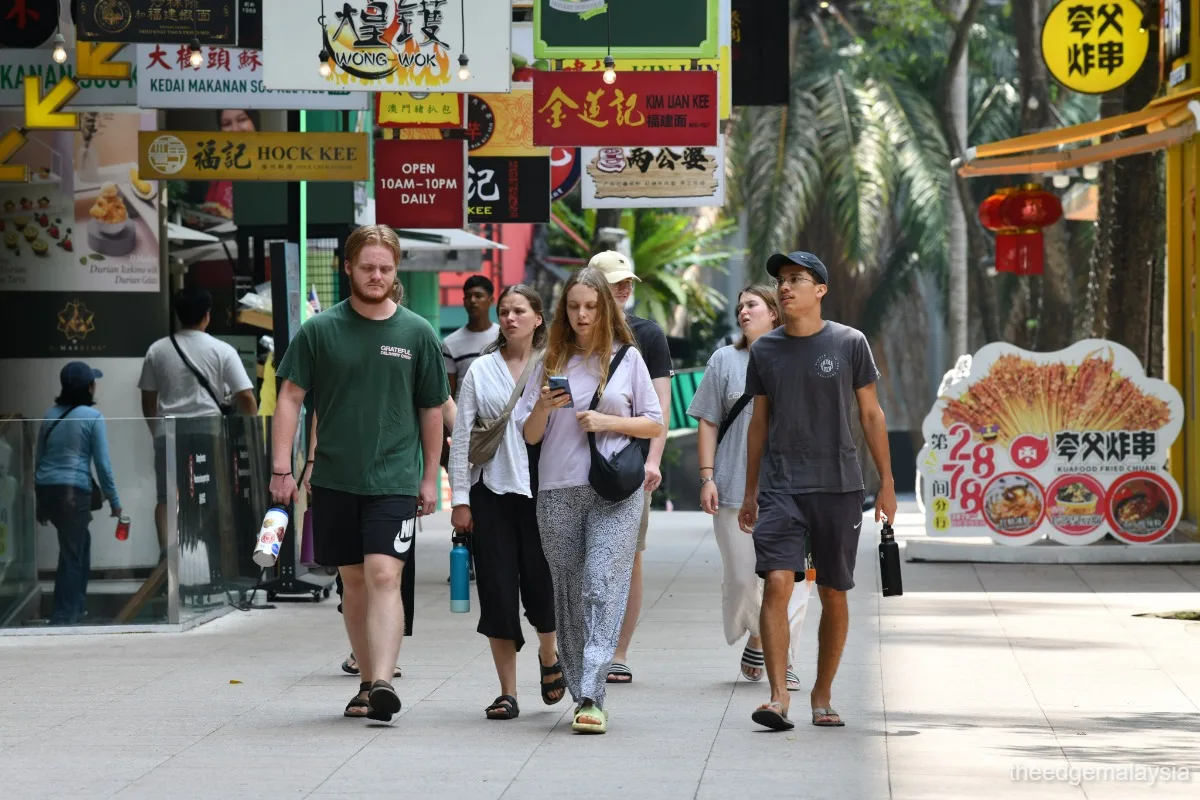
Malaysia recorded 10.65 million international tourist arrivals in the first quarter of 2026, marking a 5.4% increase year-on-year, Tourism Minister Datuk Seri Tiong King Sing noted that visitor arrivals were strong despite some regional declines, saying, “Because of this, the first-quarter visitor arrival performance can still be considered good” with growth in six regions offsetting declines in three [1, 2, 3, 4].
Singapore remained Malaysia's top source market, sending about 5.14 million visitors in Q1, up 3.9% from the previous year [1]. China saw the fastest growth with arrivals up roughly 25% to 1.41 million, adding over 280,000 visitors year-on-year [1, 5, 2, 3, 4]. Australia also recorded double-digit gains, rising 11.4% year-on-year [1, 5, 3].
ASEAN visitors increased 3.1% to approximately 7.49 million, though Indonesia and Vietnam posted declines of 3.3% and 11.6% respectively [1, 5, 3, 4]. European arrivals topped half a million for the first time in a quarter, growing over 9%, led by Türkiye (+77.3%), Ukraine (+35.3%), and Poland (+23.7%) [1, 5, 4]. Conversely, Middle East arrivals fell more than 27%, attributed to geopolitical tensions that have disrupted fuel supplies and boosted flight costs [1, 5, 2, 4].
Malaysia added 26 new international air routes in Q1, with 20 scheduled and 6 charter services mainly linking China and Hong Kong [1, 5, 4]. Twelve airlines introduced 95 extra international flights weekly, including Xiamen Airlines which increased Nanjing-Kuala Lumpur flights to daily service from March [1, 5, 4]. February 2026 was a record month with 3,472,557 arrivals, the first time monthly visitors exceeded 3 million in Malaysia’s history [5, 2, 3, 4].
Tourism remains a key driver for the economy as Malaysia targets 47 million visitors and RM147.1 billion in tourism receipts for 2026 under the Visit Malaysia 2026 campaign [1].
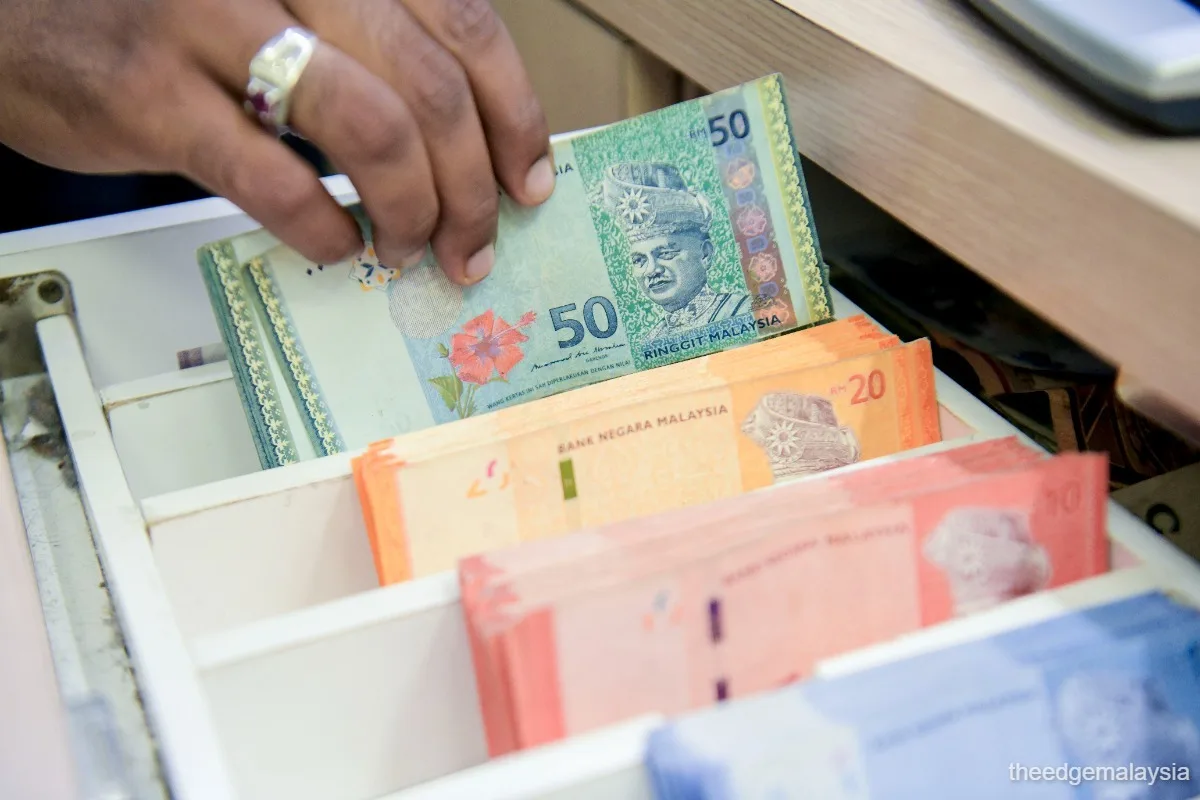
Meanwhile, the ringgit has rallied this year, appreciating about 3.3% against the US dollar and 2.9% on the nominal effective exchange rate basis as of May 13 [6]. Bank Negara Malaysia expects the currency to stay supported by the country’s firm economic outlook and ongoing reforms despite global risks [6]. The ringgit opened at around RM3.9200 against the dollar on May 12 and closed mostly higher through May 14 amid strong GDP projections and geopolitical developments [6, 7, 8, 9]. Malaysia’s first-quarter GDP growth is projected at 5.3% [9].
Bank Muamalat chief economist Mohd Afzanizam Abdul Rashid said the ringgit’s stability reflects market optimism ahead of the May 14-15 high-stakes meeting between US President Donald Trump and Chinese President Xi Jinping, noting, “The market appears to be hoping for a positive outcome from the meeting, especially on issues surrounding the war in Iran and the Strait of Hormuz” [7, 10, 9, 11, 12]. He also said the Federal Reserve is expected to hold interest rates steady this year, supporting current trading levels [7].
The government also introduced a RM5 billion debt relief program to aid SMEs affected by Middle East conflicts, including banks offering repayment flexibility and restructuring options [6].
Minister Tiong said Malaysia actively engages international tourism stakeholders to boost growth, citing efforts at the ASEAN Tourism Forum 2026 and ITB Berlin [1, 4].