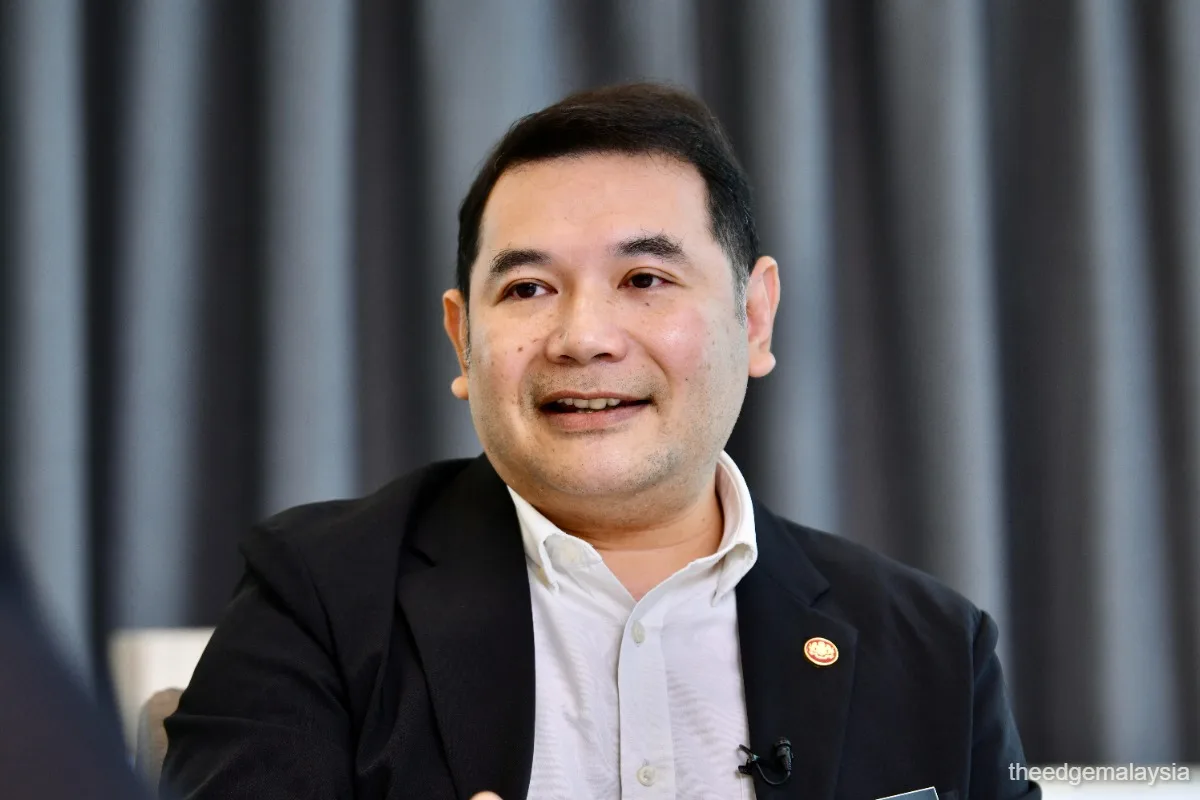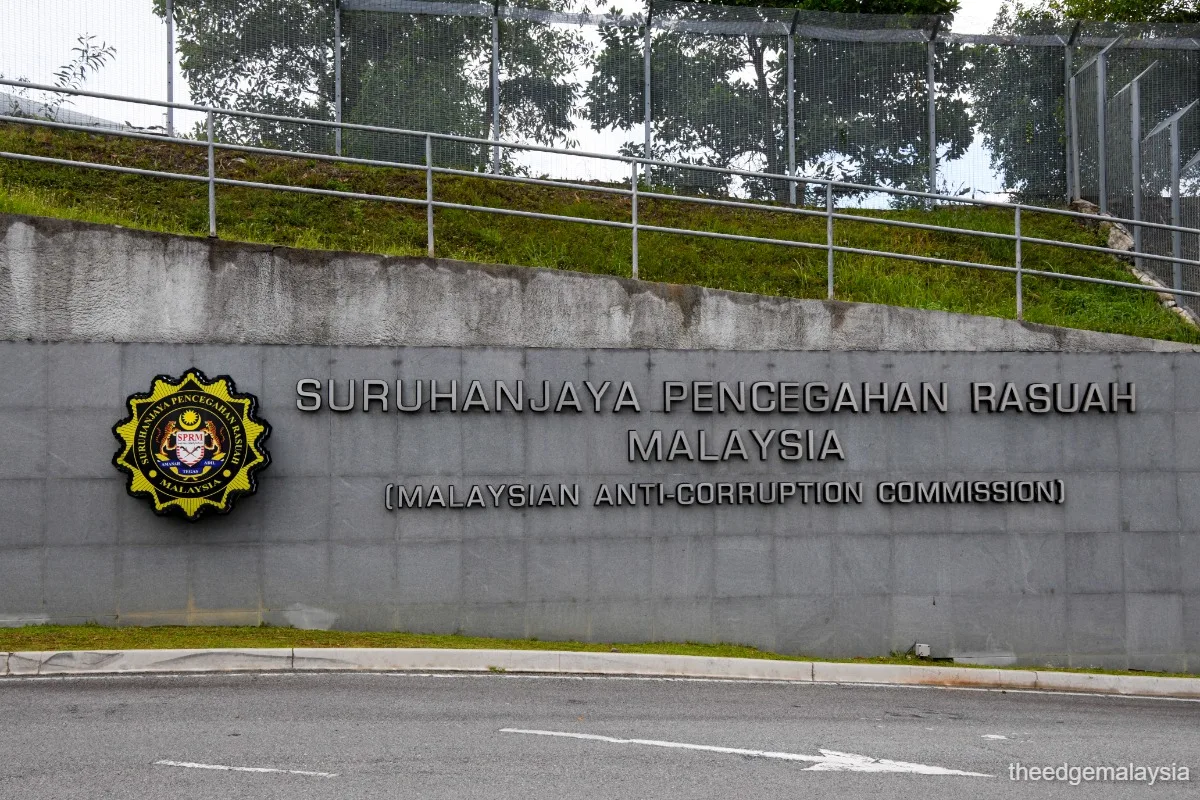
Former economy minister Datuk Seri Rafizi Ramli returned to the Malaysian Anti-Corruption Commission (MACC) headquarters on May 14, 2026, to continue assisting investigations into a nearly RM1.1 billion government contract with UK-based Arm Holdings [1, 2, 3, 4, 5, 6].
Accompanied by five lawyers from his legal team, Rafizi handed over an additional 28 pages of documentary evidence, along with video recordings stored on a USB flash drive [2, 4, 6]. The new documents included media reports and statements from senior government leaders supporting the semiconductor industry cooperation, such as Prime Minister Anwar Ibrahim, Finance Minister II Amir Hamzah Azizan, and former Investment Minister Tengku Zafrul Abdul Aziz [1, 3, 4, 5].
"I am voluntarily giving an additional statement to assist the MACC investigation so it can be aligned with other evidence that was not covered during questioning last week," Rafizi said. He highlighted that unlike the 1MDB scandal, the collaboration with Arm Holdings was widely reported publicly, with explanations from senior leaders [1]. Rafizi expressed confidence that the new evidence would help MACC rule out any suspicious transactions related to the contract [1].
Before May 14, Rafizi had spent four days providing statements and submitted 131 pages of written statements to the investigators [3, 5]. MACC recorded his additional statements following the submission around 1:30 pm on May 14 [2, 4, 6].
The MACC investigation opened on February 16, 2026, after complaints by three NGOs alleging the RM1.1 billion strategic semiconductor agreement was rushed, biased, and exposed the government to financial risk [1, 2, 3, 5, 6]. The probe focuses on alleged abuse of power and misappropriation under Section 23 of the MACC Act 2009 [2, 3, 6].
So far, MACC has called 22 witnesses, including political analyst and Rafizi's former aide Chai Jin Shern. Two additional witnesses, one in Taiwan and one in Malaysia, are expected to be summoned [1, 2, 3, 5, 6]. Former MACC chief commissioner Tan Sri Azam Baki said the investigation is in its final stages [1, 7, 5].
Rafizi raised concerns that the investigation may be influenced by emotional bias, referencing Azam Baki's recent farewell speech, where Azam stated he would not forgive unjust criticism. "When he says he will not forgive those who criticised him, there is clearly a strong emotional undercurrent," Rafizi said [7].