Malaysia started upgrading its MyDigital ID kiosks on June 12, 2026, adding real-time facial biometric verification against the National Registration Department database to strengthen security during registration. The maintenance will continue until June 14 at 6 a.m., with registration still available via mobile apps during this period [1, 2, 3, 4].
The upgrades aim to curb online fraud and improve identity verification in banking and digital transactions. The National Security Council said the changes "are aimed at strengthening the accuracy of identity verification while reducing the risk of identity misuse and unauthorized access" [4]. It added MyDigital ID plays a key role "by facilitating more secure and trusted identity verification across various public and private sector digital services" [1].
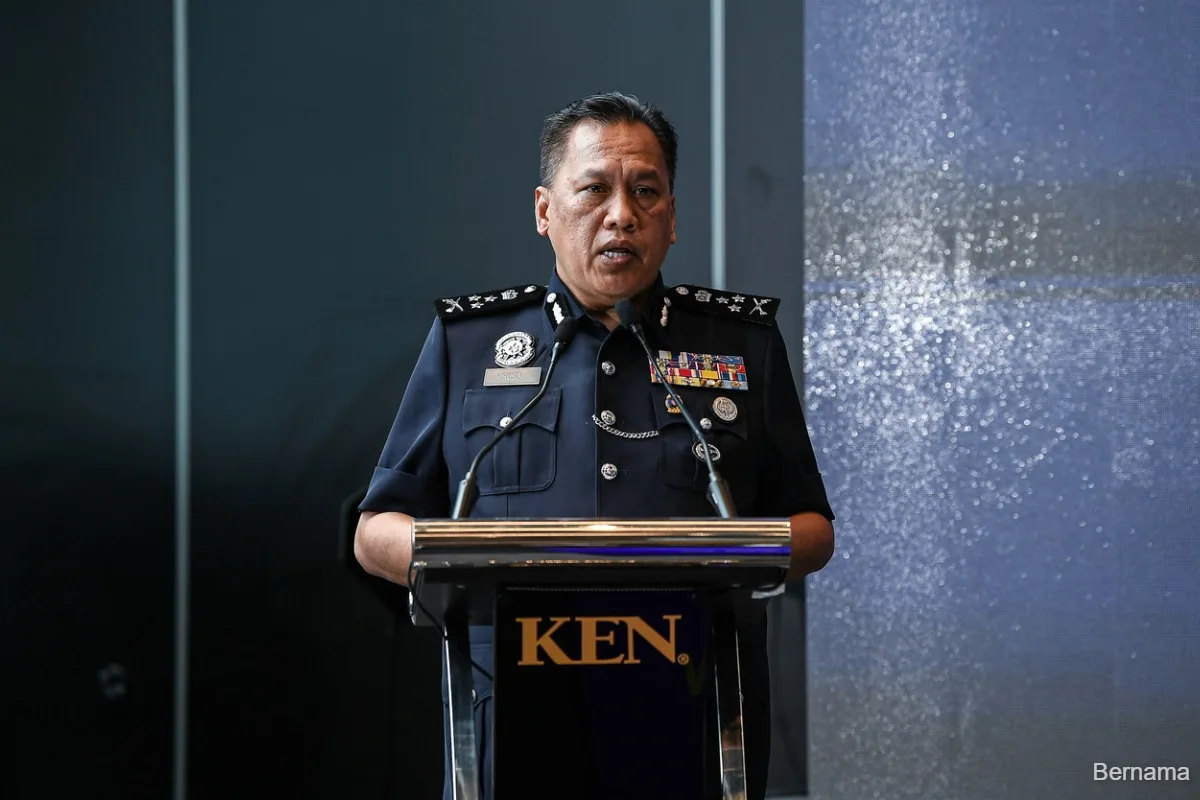
Bukit Aman Commercial Crime Investigation Department director Datuk Rusdi Mohd Isa said police engaged the MyDigital ID team last year and are confident that "when MyDigital ID is fully utilised, it will be one of the mechanisms that can help prevent online fraud" [5]. He added the "security features embedded within the system are difficult for scammers to imitate and can serve as an effective mechanism to prevent fraud" [6]. He also noted in Mandarin that fraudsters find it hard to forge the verification data and that MyDigital ID could become an important fraud prevention line once fully developed [7].
The system incorporates multiple security layers to reduce identity fraud risk, and users will have to periodically undergo facial biometric re-verification to maintain digital identity security [5, 1, 2, 3, 6, 4].
National Taskforce to Combat Fraud chairman and Maybank CEO Syed Ahmad Taufik Albar said integrating MyDigital ID with banks’ Know Your Customer (KYC) systems "would help combat fraud more effectively" [5]. He also warned that fraud syndicates increasingly use AI-powered technologies, including deepfake voice and video impersonations and phishing attacks, to steal data [6]. Maybank and other banks invest in AI anti-fraud technologies and ongoing employee training to confront new scam tactics [7]. Syed Ahmad emphasized that "employee training is continuous, not a one-time course, to build skills to counter new fraud methods" [7].
Police have urged the public to "verify before transact" to reduce scams, a campaign supported by the National Scam Response Centre [7]. In early June, police reported scams involving BTS concert tickets and asked organizers to improve ticket sale management to prevent fraud attempts [7].
On June 10, 68 bank officers from 14 banks were honoured for detecting and preventing fraud attempts that saved customers RM139 million in the past year [5, 8, 7].
There is no fixed timeline for full adoption of MyDigital ID across banks, as institutions are adopting the technology at their own pace [5, 8]. The upgrades to kiosks and ongoing biometric re-verification are concrete steps to enhance security amid rising cyber threats, including identity theft and impersonation, fueled by increased use of artificial intelligence by fraudsters [1, 2, 7, 6, 4].