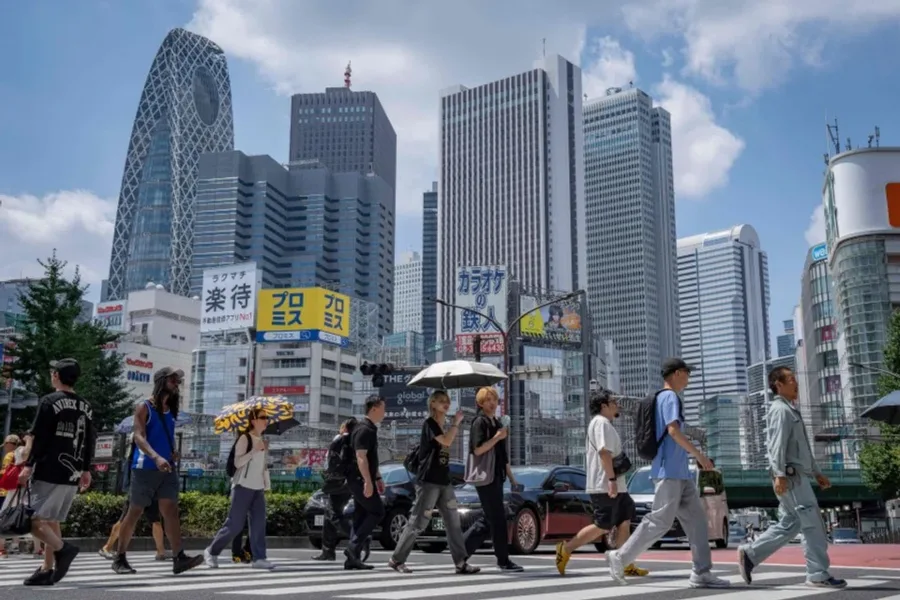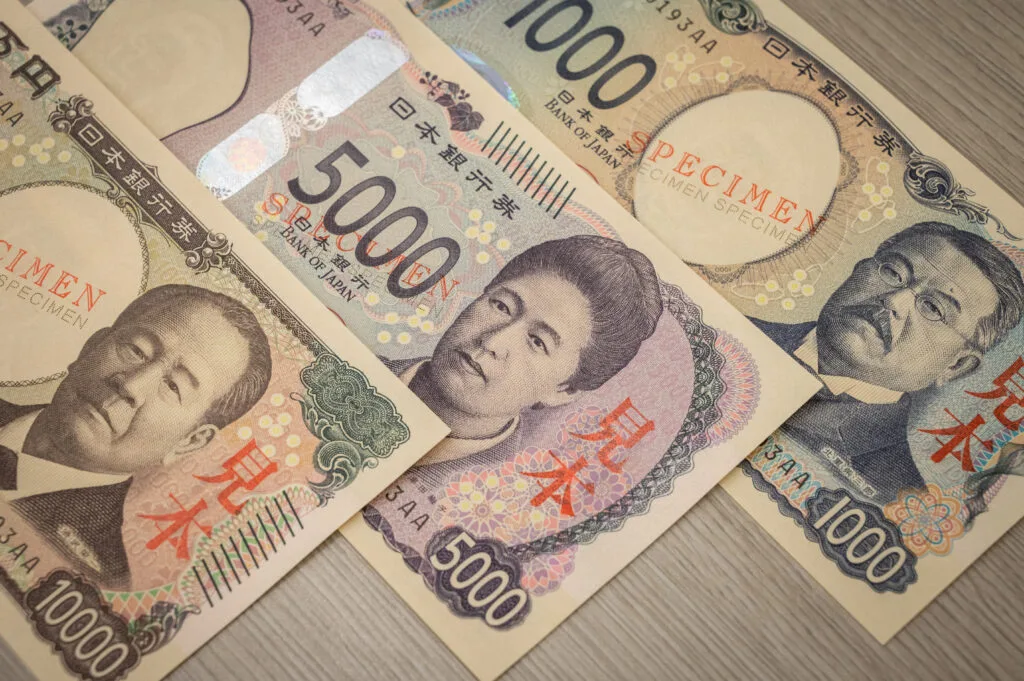
Bank deposits in Tokyo and the surrounding prefectures of Kanagawa, Saitama, and Chiba accounted for 50.7% of all deposits in Japan at the end of fiscal 2025, reaching ¥523.1 trillion ($3.29 trillion USD) as of March 31, 2026 [1, 2, 3].
Tokyo alone held ¥394 trillion in deposits, about 30% of the national total and significantly outpacing other prefectures [2, 3]. The overall deposits in the Greater Tokyo area have grown more than threefold since fiscal 1998, when they totaled ¥181.7 trillion, representing 39.3% of Japan’s bank deposits [2, 3]. The share of total deposits held in the Tokyo metro area increased from 39.3% in 1998 to over 50% in 2025 [2, 3].
This concentration is driven by several factors. Many assets are inherited by children living in Tokyo, which leads to wealth accumulation in the capital. The urban population and wealth are concentrated in the region, and major companies headquartered in Tokyo hold large cash reserves [1, 2, 3]. Online banks without physical branches, which have gained popularity in recent years, may also be accelerating deposit concentration in Tokyo and other big cities [2, 3].
Outside the Tokyo metropolitan area, deposits have grown more slowly or stagnated. Prefectures like Kochi saw only 29% growth, while Wakayama, Akita, and Aomori grew around 40%. Some areas such as Miyagi, Hiroshima, and Fukuoka nearly doubled their deposits but remain well behind Tokyo levels [2, 3].
There are concerns this concentration could weaken regional banks that depend on local deposits to fund lending. Director researcher Hideo Onuki of the Japan Research Institute warned the trend risks long-term decline for local banks, increasing competition gaps with large banks [2]. This challenge may intensify as Japan enters a "positive interest rate era".
The next key data update is expected after the close of fiscal 2026, when the Bank of Japan and related institutions will release new deposit figures following the March 31, 2027 fiscal year-end.