Prime Minister Anwar Ibrahim started a working visit to Russia on June 16, 2026, to meet Russian President Vladimir Putin and participate in talks with ASEAN and Russian leaders focused on energy supply security [1, 2, 3].
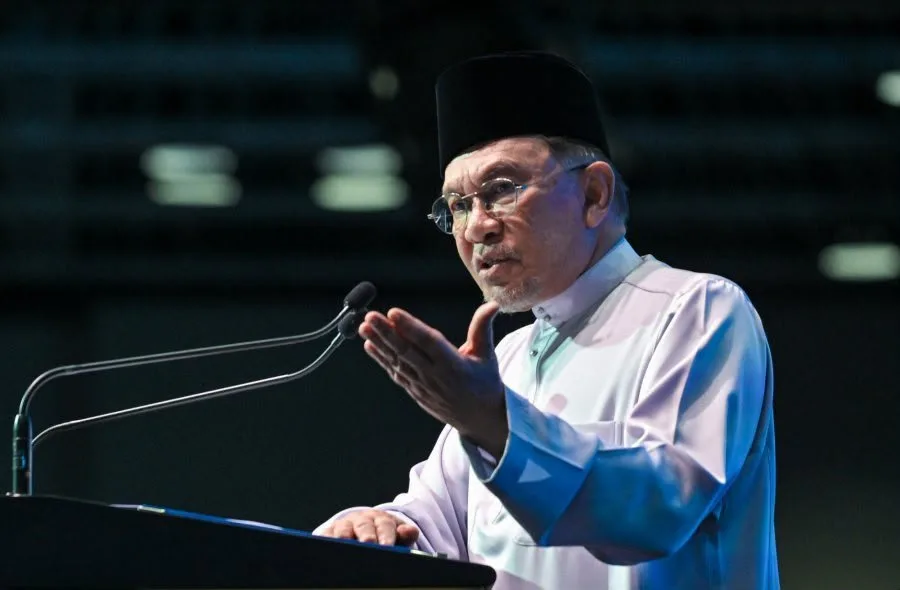
Anwar said the visit aims to ensure the continuation and security of Malaysia's oil and diesel supplies. He stressed the value of maintaining good international relations for long-term energy security and to avoid disruptions affecting ASEAN countries. “Among the matters I intend to emphasise when meeting Putin is to ensure that oil supplies can continue to be channelled to us. This is the benefit of maintaining good relations with others,” he said [1, 3].
Malaysia currently maintains one of the world’s lowest domestic retail fuel prices, with RON95 petrol priced at RM1.99 per litre. This low price is credited to sound economic management and strong international ties, including energy agreements [1, 2, 3].
Geopolitical tensions in West Asia have escalated after Israel and the United States launched attacks on Iran, resulting in the closure of the Strait of Hormuz, a critical shipping route for oil. Disruptions there threaten global oil supply and prices and could lead to fuel price hikes in Malaysia. Anwar warned, “If not, and the Strait of Hormuz remains closed, the impact will reach Malaysia and oil prices will rise. As of today, oil prices have already started to decline slightly” [1, 2, 3].
He also relayed information from Pakistani Prime Minister Shehbaz Sharif suggesting a possible resolution of the conflict by Friday, June 19, 2026 [1, 2, 3].
Unlike some neighbouring ASEAN countries experiencing fuel shortages and station closures due to supply constraints, Malaysia remains vigilant against disruptions to its fuel supply [2]. Malaysia is also pursuing cooperation with Turkmenistan's national oil company to secure long-term natural gas supplies and improve energy security for future generations [2].
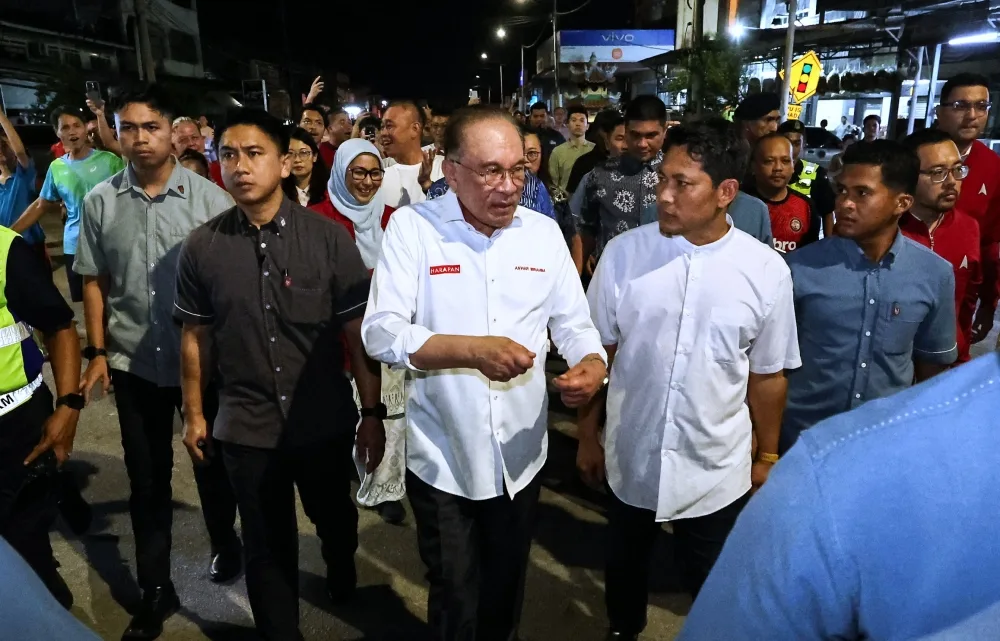
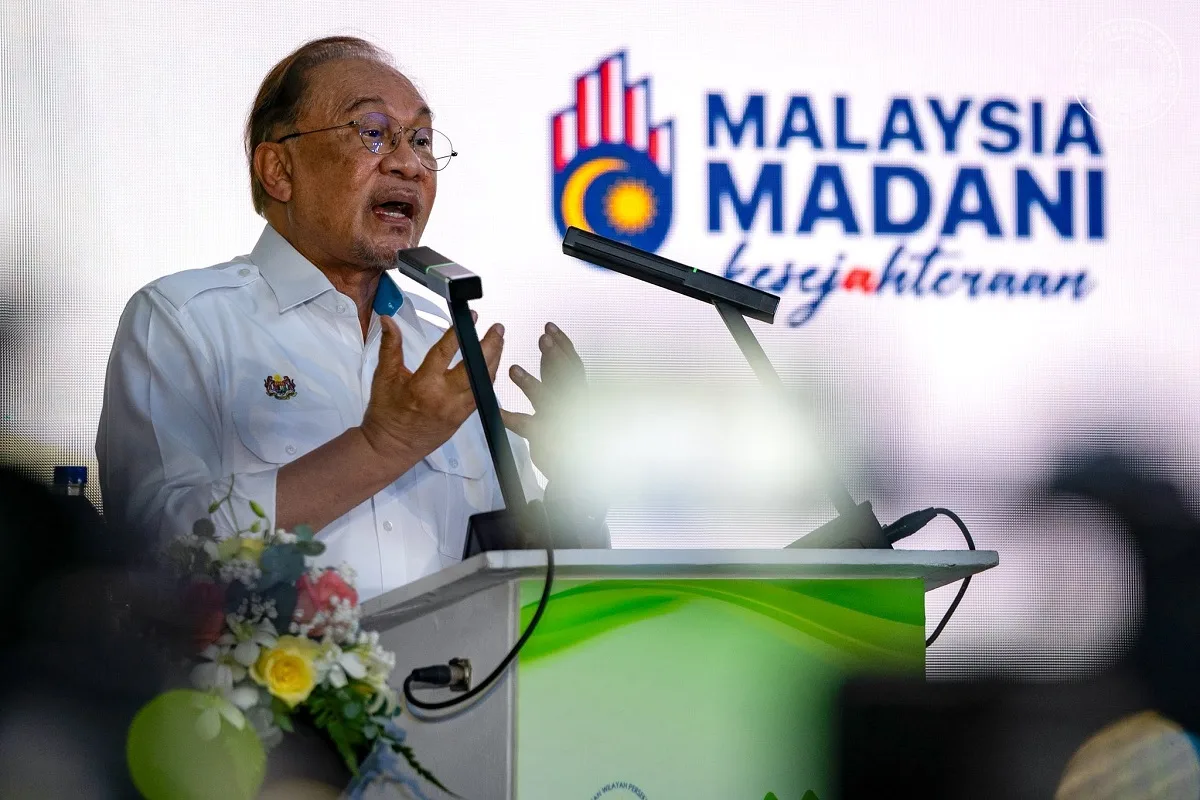
Anwar announced his planned visit to Russia on June 15 at an event in Muar, highlighting the geopolitical risks to oil supplies and the importance of energy diplomacy [1, 2, 3].
He will continue engagements in Russia over the coming days, with a key date to watch on June 19 for a potential resolution to the West Asian conflict that could ease tensions affecting global oil markets [1, 2, 3].