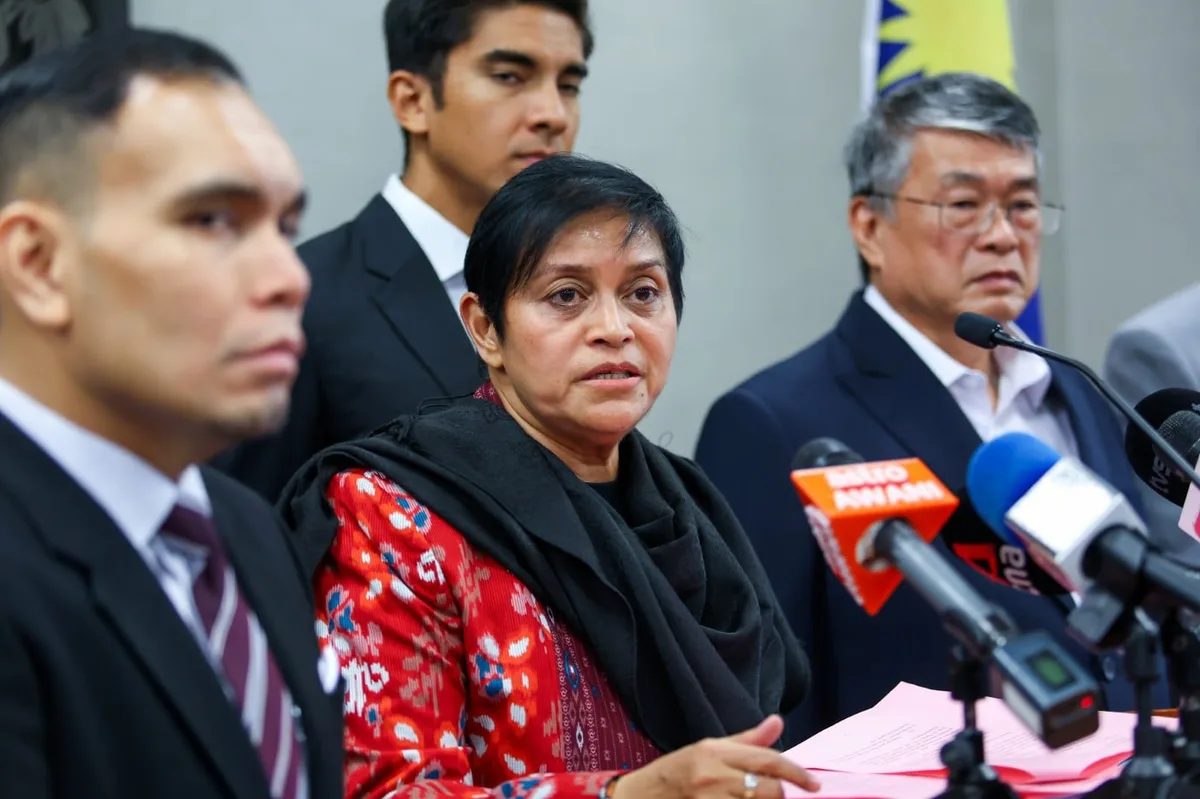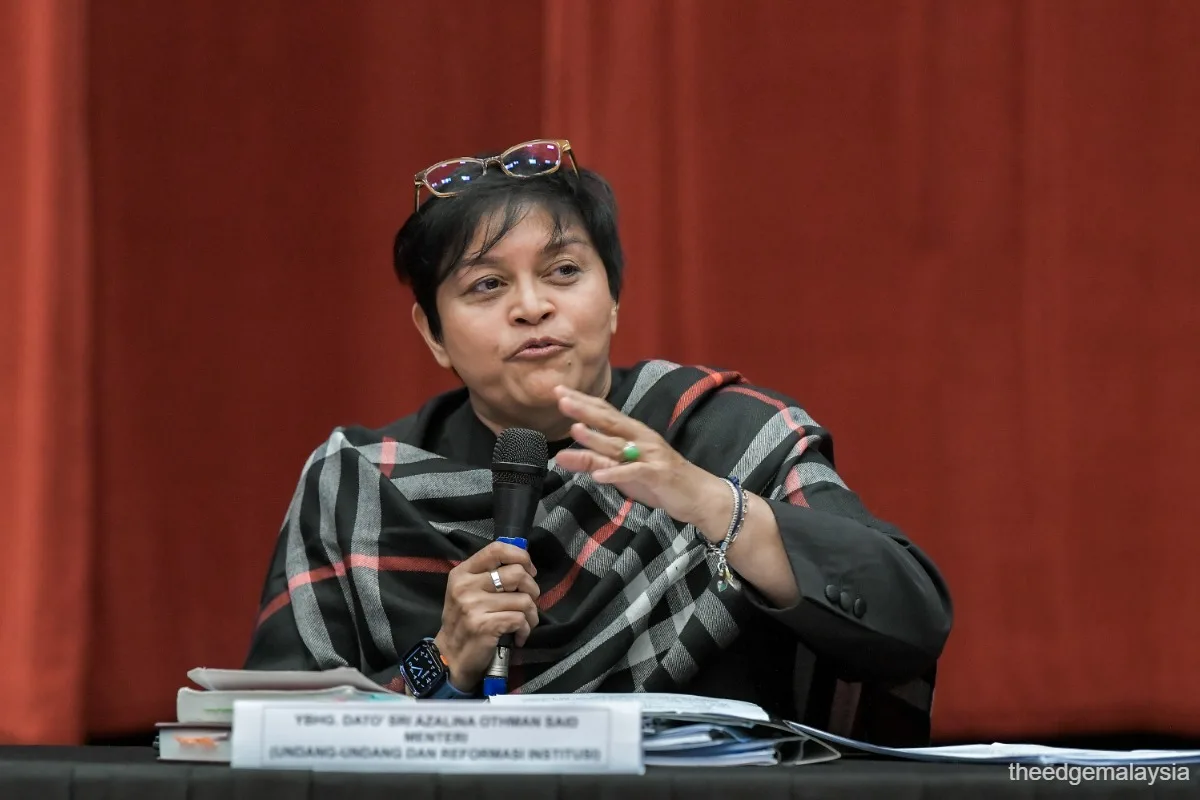
A special parliamentary select committee unveiled recommendations on June 22 to reform the appointment and oversight of Malaysia's public prosecutor, aiming to separate this role from the Attorney General's Chambers [1, 2]. The committee proposed that public prosecutor candidates be presented to Parliament for views before formal appointment. Law Minister Datuk Seri Azalina Othman Said said, "The appointment process would be more transparent, with parliamentary involvement, whereby the name of the proposed candidate would be made known to parliament for views to be submitted to the SPKP." She added that it is "a good step forward" whether debated in the House or select committee [1, 2].
Under the proposals, the public prosecutor would be appointed by the Yang di-Pertuan Agong on the advice of the Judicial and Legal Service Commission, with no involvement from the prime minister or Cabinet. The post would have a fixed seven-year, non-renewable term [1, 2]. The public prosecutor's office would submit an annual report to Parliament and adopt a code of ethics, with breaches potentially leading to removal [1, 2].
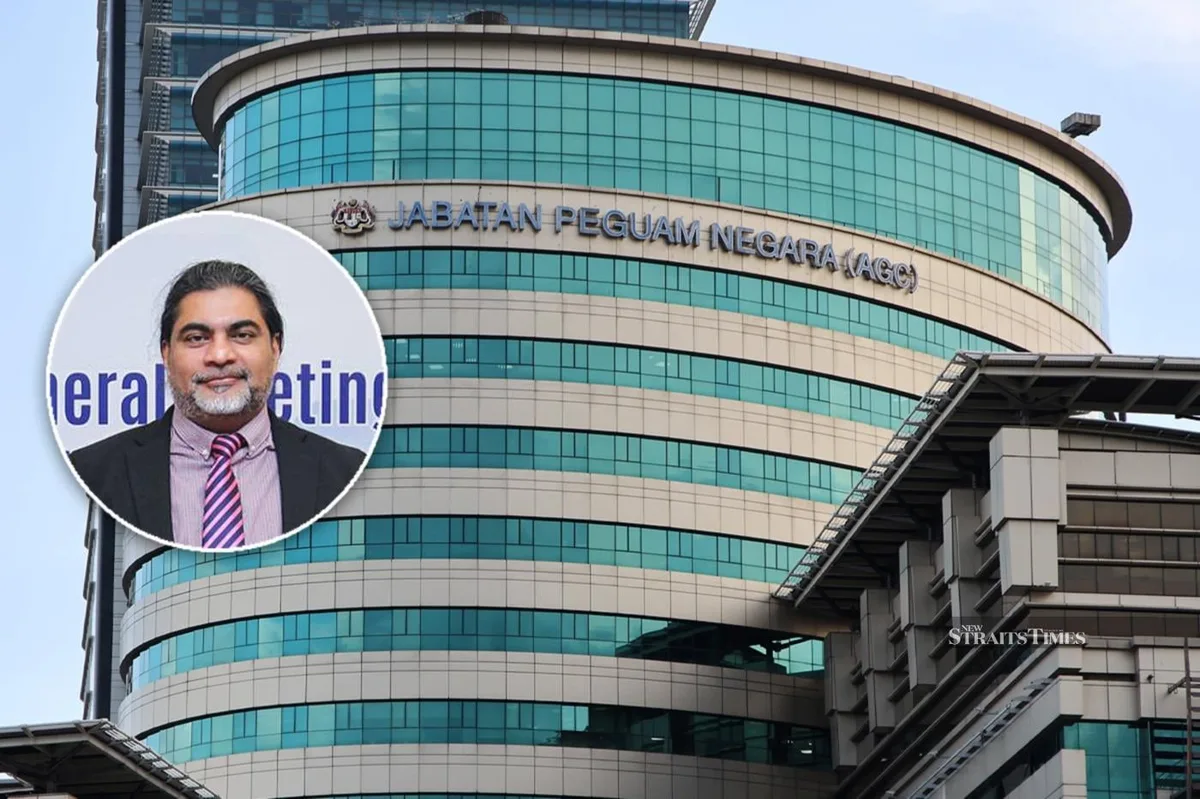
These recommendations accompany the Constitution (Amendment) (No 2) Bill 2026, first tabled on February 23, which seeks to formally separate the public prosecutor’s office from the Attorney General's Chambers. The Bill requires a two-thirds majority of 148 votes to pass in the Dewan Rakyat. The current government holds 151 seats [1, 2, 3].
Despite support from the select committee and Law Minister, some lawmakers have criticized the proposed parliamentary role in vetting the public prosecutor. Eight PKR MPs, including Wong Chen, called on June 23 for a bipartisan parliamentary vetting process with open hearings and votes beyond mere notification and comment. Wong said such a mechanism should be rejected as "perfunctory and devoid of genuine oversight" and urged rigorous examination of nominees' competence, independence, and integrity [3, 4].
The Malaysian Bar also expressed reservations. President Anand Raj stated on June 23 that while separation of the Attorney-General and public prosecutor roles is good in theory, "the way in which it is proposed to be executed, from what is available in the public domain, is far from ideal." The Bar criticized that key recommendations were not adopted and said the proposal falls short of ensuring independence and accountability [5, 6, 7].
The parliamentary select committee's recommendations mark a key step in reforming the prosecutorial system. The Bill awaits further parliamentary debate and the necessary two-thirds majority vote in the Dewan Rakyat.