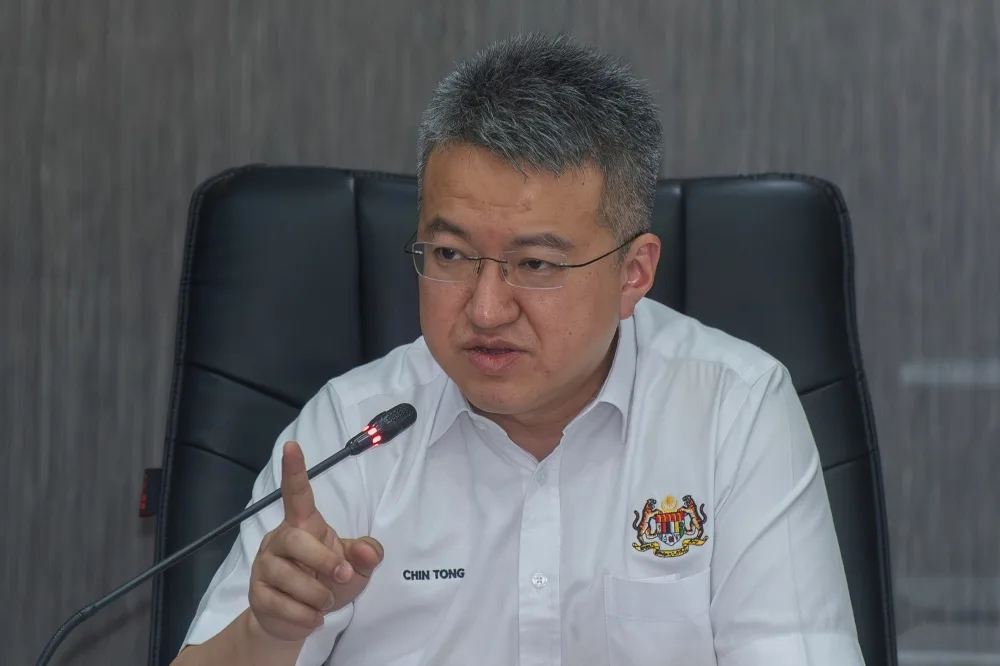
Deputy Finance Minister Liew Chin Tong said Malaysia must shift from being seen mainly as a trading nation to a technology-driven country by producing its own innovations, speaking in the Johor state assembly in Iskandar Puteri on March 4. He said more technological innovation by companies, including in Johor, would create higher-paying jobs and help tackle low wages that have pushed hundreds of thousands of Johoreans and other Malaysians to Singapore for work. [1]
Liew said Malaysia needed to become more successful through Greater Johor Bahru and the Johor-Singapore Special Economic Zone, and said: "Both the state and federal governments need to share responsibility in developing Malaysian companies into multinational corporations." He said Johor Bahru is the country’s second economic capital after Kuala Lumpur. [1]
The World Bank said in a report published on May 4 that Malaysia needs to expand green finance and strengthen local tech capacity to stay competitive as the global shift toward sustainability accelerates. It said low R&D spending, workforce skills gaps and weak industry-academia collaboration remain barriers to innovation. [2]
The bank also said climate change could cost Malaysia up to 8.3% of GDP by 2050 under the most pessimistic scenario. It said: "While Malaysia has introduced green policies and fiscal tools, domestic private sector investment remains cautious, and innovation ecosystems are still developing." [2]
The World Bank said Malaysia must keep building those capabilities as it faces stronger pressure from the clean-energy transition and a changing industrial base. [2]