Malaysia’s economy ministry and the statistics department will launch a public “global supply crisis monitoring” dashboard on May 15, giving users a central place to track the latest developments in the crisis, officials said. [1, 2, 3, 4, 5]
The public version will include 10 main sections, covering energy, commodities, cost of living, economic performance, exchange rates and trade flows, among other data categories. [1, 2, 6, 3, 4, 5]
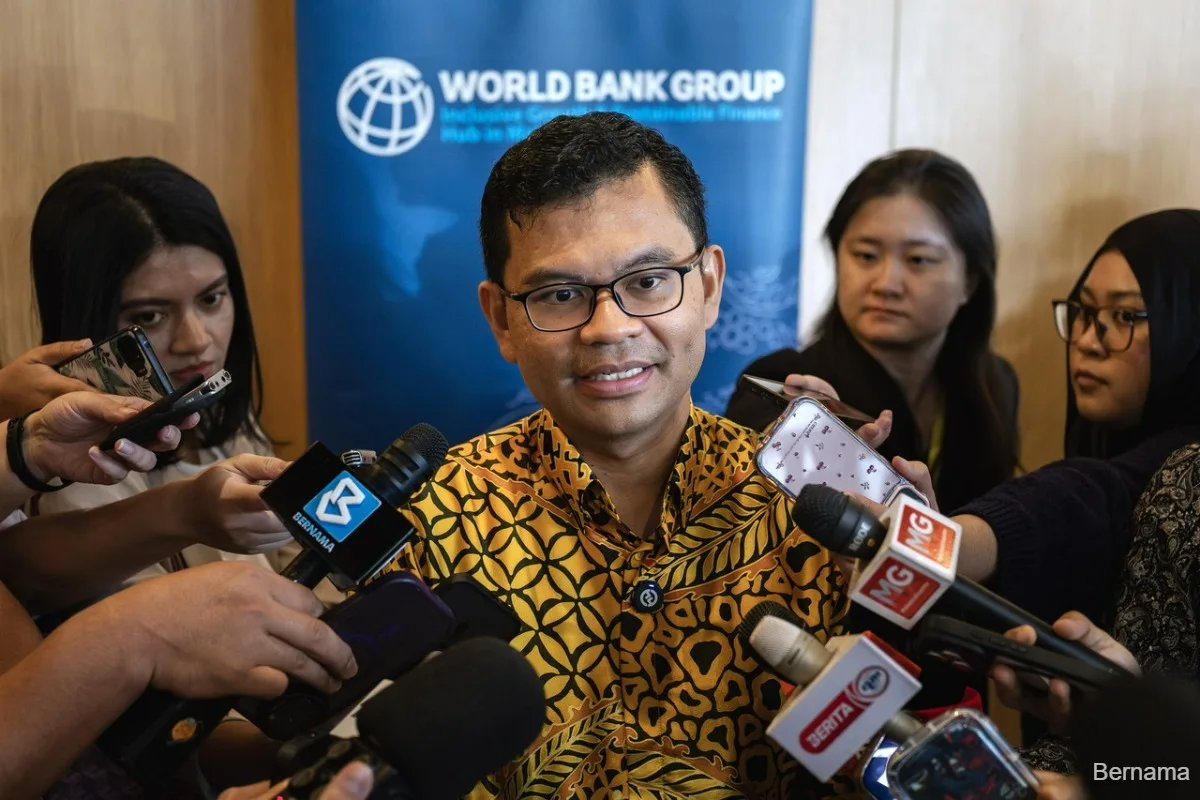
Akmal Nasrullah Mohd Nasir said the dashboard marks “an important shift in how the government manages crises by using near real-time data to detect early pressures, coordinate responses and provide clearer information to the public.” [2]
A government-only version will serve as an internal monitoring platform. Officials said it will use near real-time data to assess how the crisis is developing, spot early risks and shape mitigation steps and other responses. [1, 2, 6, 3, 4, 5]
Malaysia also framed the tool around supply security and price pressure. Akmal said the government’s focus is to protect supply, strengthen existing supply resilience and curb price pressure, while coordinating fuel export controls, essential goods supplies, procurement quotas, energy-saving steps and work with industry. [2, 6, 4, 5]
Some reports also tied the briefing to wider energy and fiscal concerns. They cited World Bank priorities for Malaysia that include securing energy supply, preserving fiscal space, managing energy demand and providing targeted support for affected households and firms. One report quoted Akmal as saying, “As far as the available fiscal space is concerned, we have to acknowledge that the longer the crisis continues, the narrower that space becomes.” [2, 7, 8]
The dashboard is due to open to the public on May 15. [1, 2, 3, 4, 5]