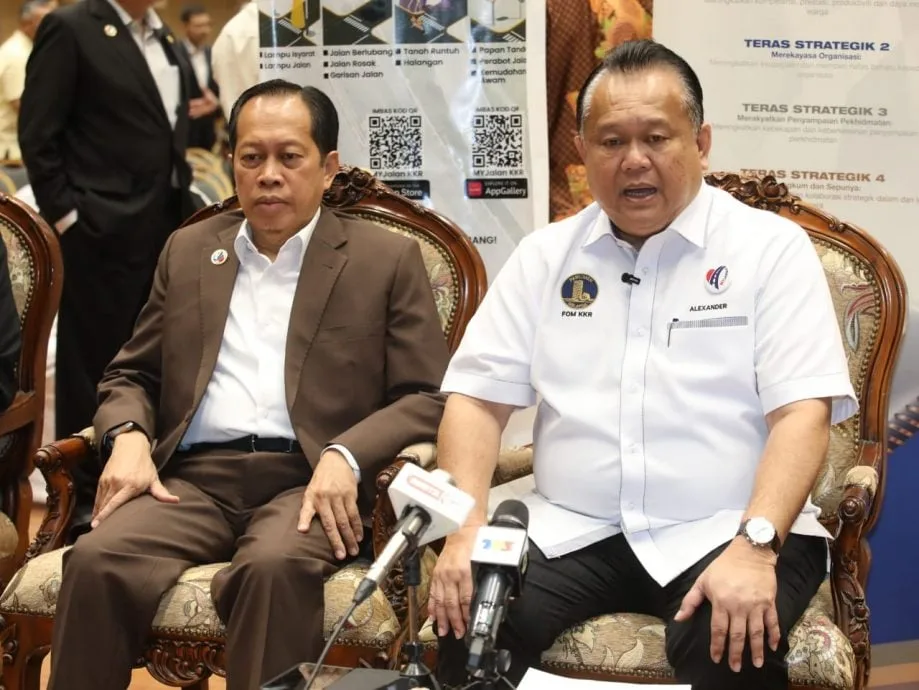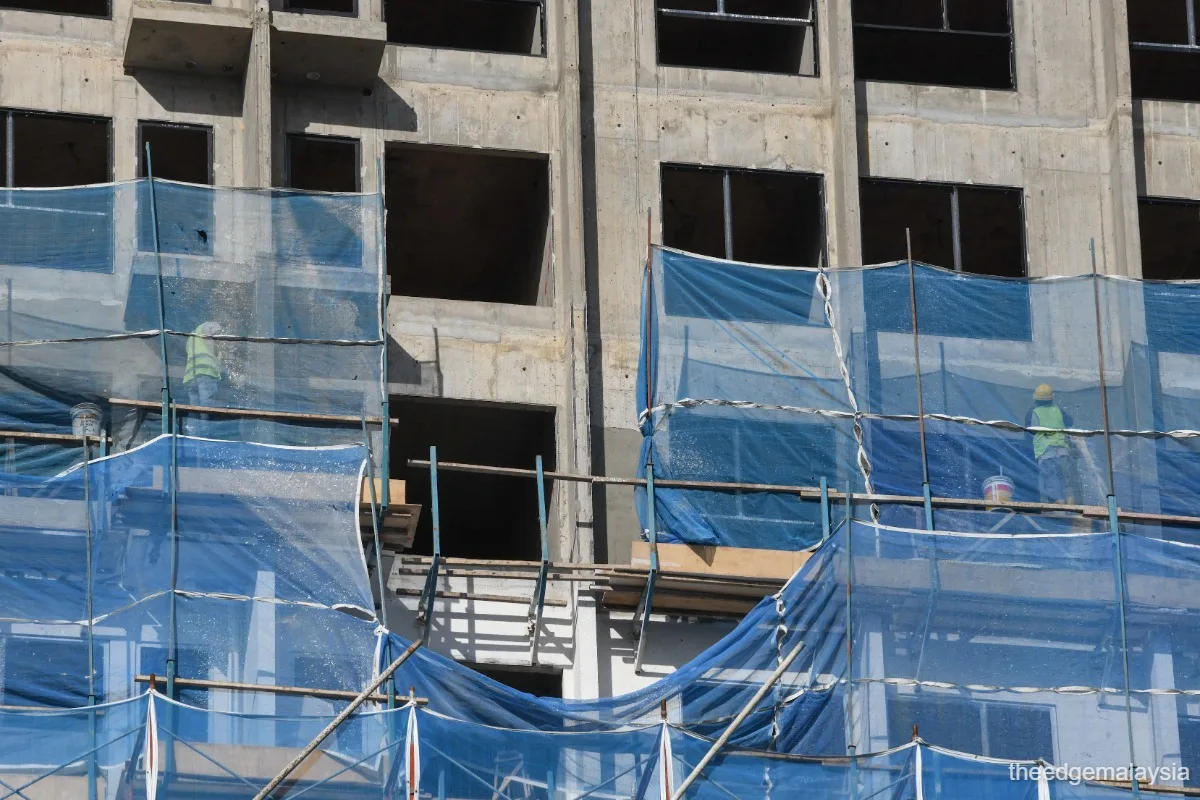
The Malaysian government confirmed it will not stop or postpone any public construction projects despite rising costs linked to geopolitical tensions in West Asia affecting supply chains. Works Minister Alexander Nanta Linggi said, "At present, there are no projects that need to be stopped, and we do not intend to halt any projects because the construction industry is an engine of growth for our economy" [1].
The government remains committed to moving forward with all approved projects, including those that have received letters of acceptance [1, 2]. Minister Alexander emphasized the importance of quick processing of contractors' payment claims to maintain cash flow and protect jobs in the sector, stating, "I will never allow any delay in midterm or final payments without reasonable cause" [2].
To address the rising cost pressures, the government is studying a range of mitigation measures across short, medium, and long timelines but has yet to apply broad Variation of Price mechanisms due to concerns over their impact on government finances [1, 2]. One proposal under consideration is a cost-sharing scheme between the government and contractors to ease the burden [1, 2].
The Ministry of Works is coordinating with relevant agencies to closely monitor how rising oil prices influence key construction inputs such as fuel, steel, cement, and logistics [2]. The Ministry also promotes greater efficiency, discipline, and transparency in cost management and procurement procedures [2].
For projects not yet started, consideration is being given to scaling down scope to reduce costs—for example, shortening road construction distances, where the original estimated cost per kilometer can reach 1 million MYR [2]. Small and medium contractors, especially those involved in maintenance and repair, will receive government support to remain viable amid rising expenses [2].
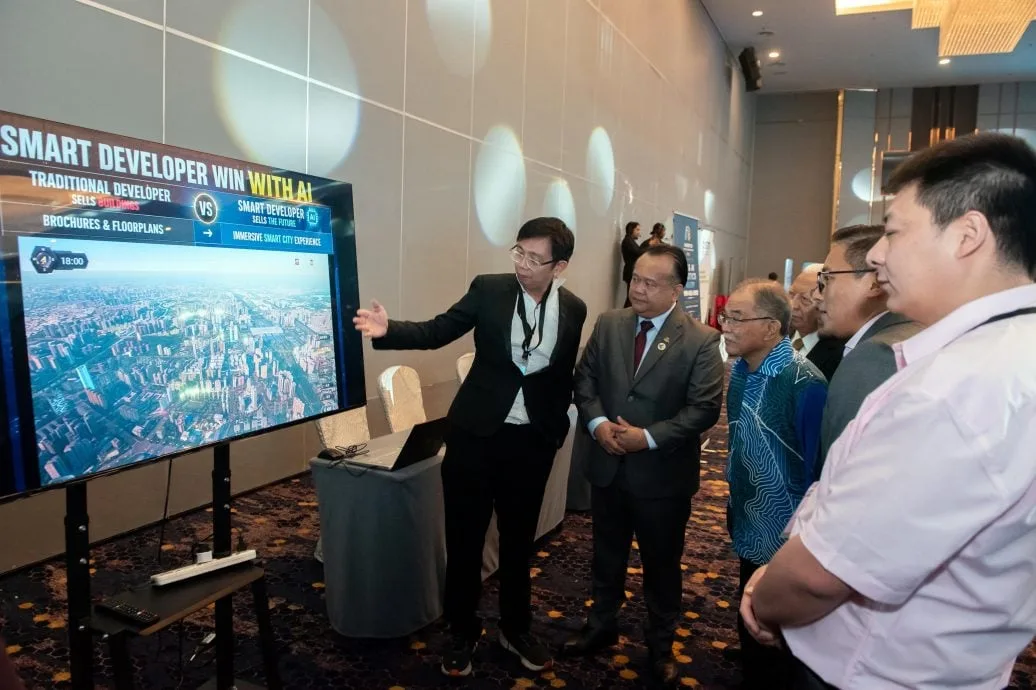
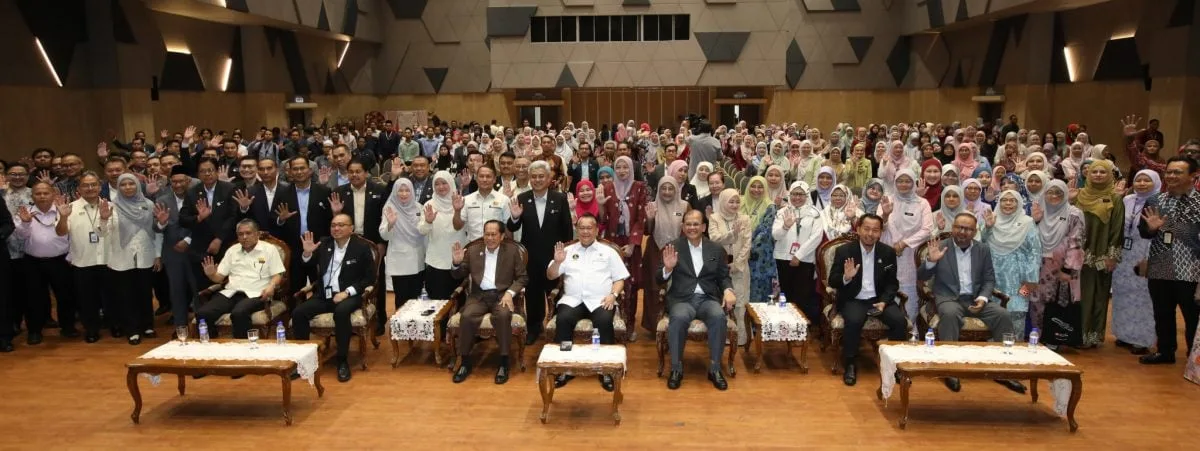
The Builders Industry Forum and Awards (BIFA) 2026, held on May 19, featured the Minister’s commitment to continuing public construction and discussed mitigation steps [1, 2]. The event also provided industry players exposure to global best practices focused on governance, environmental standards, green technology, and sustainability [1, 2].
The government aims to keep supporting the construction sector as a key driver of economic growth and expects no project delays while actively managing cost challenges [1, 2].