Malaysia will start producing B15 biodiesel from June 1, 2026, involving 19 licensed plants across the country, official sources confirmed [1, 2].
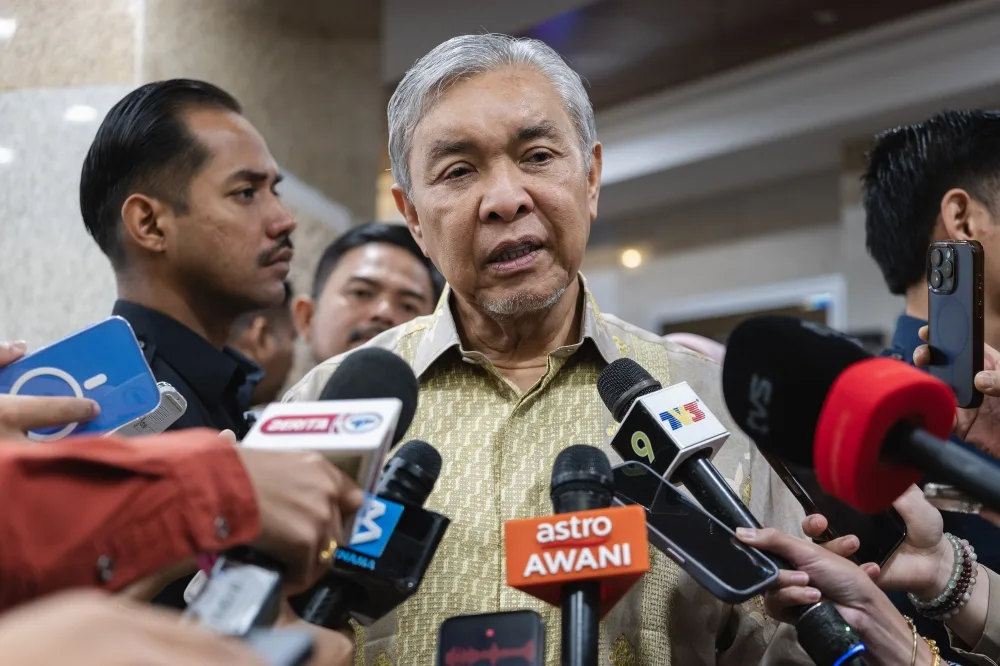
The government will introduce biodiesel production in phases, beginning with the B15 blend, followed by B20, and aims to reach B50 within two to three years [1, 2]. This gradual rollout is designed to prevent crude palm oil prices from putting pressure on biodiesel production costs. Datuk Seri Dr Ahmad Zahid Hamidi said, "This phased approach is intended to ensure that crude palm oil (CPO) prices do not place pressure on biodiesel production costs" [1].
Palm oil-based biodiesel is expected to support not only the national energy agenda but also stimulate the rural economy. Zahid Hamidi noted, "It presents an opportunity to link the strength of our commodities sector with the future of the rural economy" [1].
Authorities responsible for rural and regional development, including the Federal Land Consolidation and Rehabilitation Authority (Felcra), the Central Terengganu Development Authority (Ketengah), and the South Kelantan Development Authority (Kesedar), have been encouraged to engage seriously with the biodiesel potential. "As such, Felcra, Ketengah, and Kesedar must take this potential seriously," Zahid Hamidi added [1].
The rollout marks a key step in Malaysia's plan to expand biodiesel blends over the next few years, leveraging the country’s palm oil production capacity while addressing energy needs. The initial stage launching on June 1 will involve full production of B15 at the 19 licensed plants, setting the foundation for future scale-up efforts [1, 2].