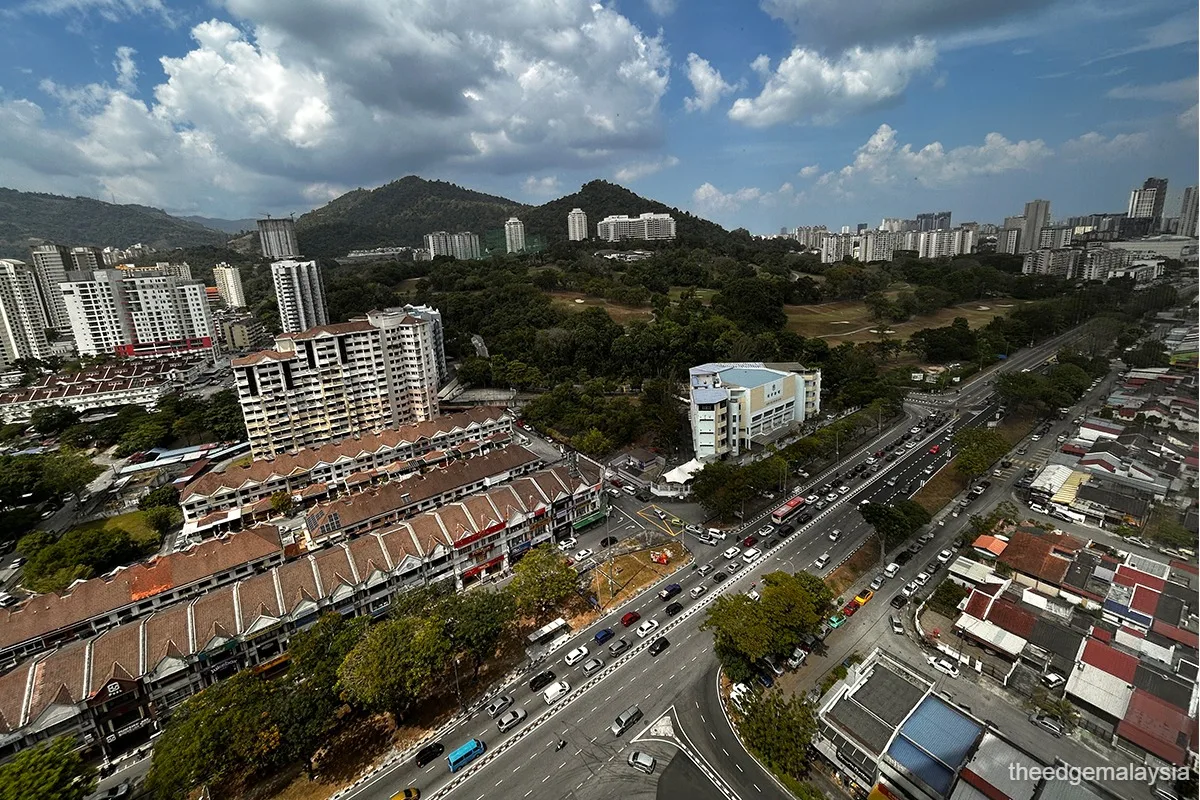
Malaysia approved RM92.8 billion in investments during the first quarter of 2026, spanning 1,249 projects in services, manufacturing, and primary sectors, according to the Malaysian Investment Development Authority announced on June 8 [1, 2, 3]. Foreign investments made up 60.5% of the total at RM56.2 billion, with domestic investments rising 13.0% year-on-year to RM36.6 billion, or 39.5% of the total [1, 2, 3].
Japan emerged as the largest source of foreign investment with RM21.5 billion, a sharp rise from RM1.6 billion in the same period last year. Nearly 93.6% of Japanese investments were directed into digital transformation initiatives [1, 2, 3]. Other major foreign investors included China and the US at RM10.1 billion each, Singapore at RM6.7 billion, and Thailand at RM2.5 billion [1, 2, 3].
The investments are expected to generate 50,226 new jobs, a 46.7% increase compared to the first quarter of 2025 [1, 2, 3]. By state, Selangor attracted the highest approved investments at RM33.5 billion, followed by Johor and the Federal Territory of Kuala Lumpur tied at RM16.9 billion each. Penang and Sarawak recorded RM6.2 billion and RM4.0 billion respectively [1, 2, 3].
In 2025, Malaysia secured a record RM426.7 billion in approved investments, with real estate accounting for RM78.2 billion amid an 86.7% surge in private equity and venture capital, said Knight Frank’s global head of capital markets, Nick Braybrook, who noted "global CRE was clearly entering a new phase of the cycle where repricing, supply and demand fundamentals, stabilising interest rates and improving visibility on income was bringing capital back into the market" [4].
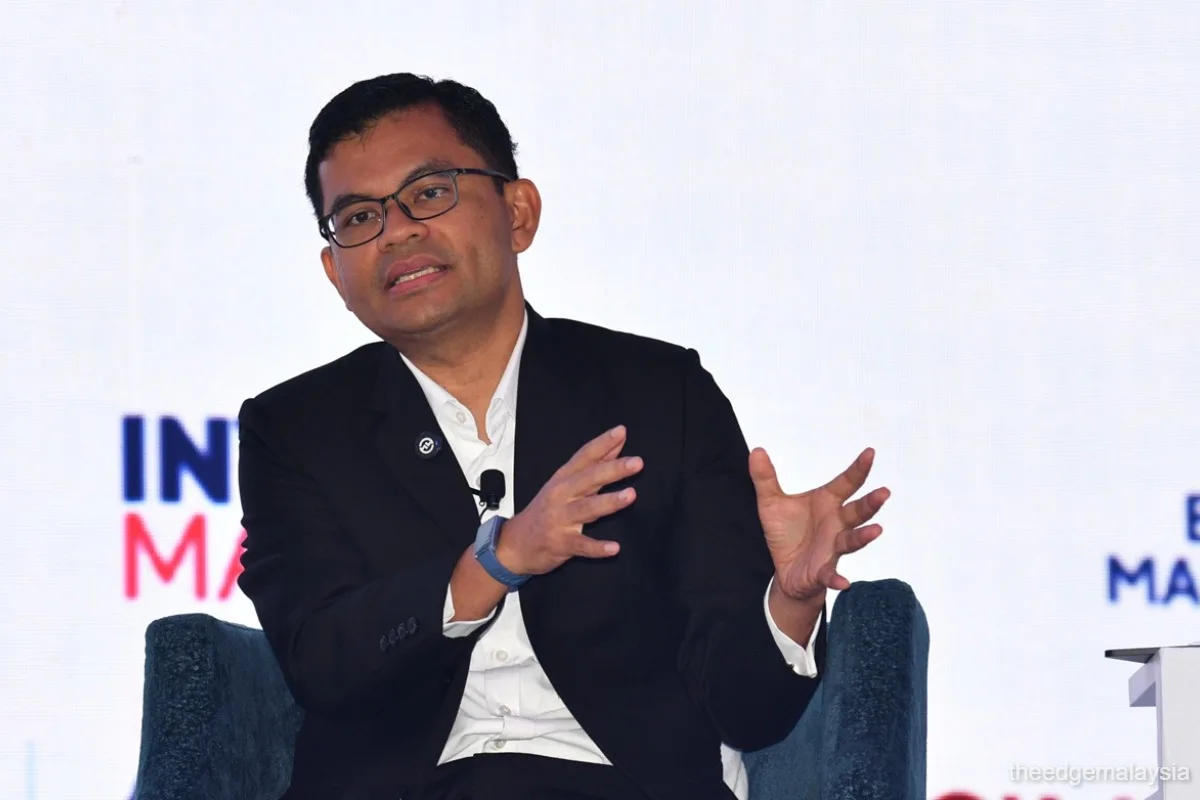
On the energy front, Malaysia confirmed it will maintain its 2026 petroleum production quota under Opec+ as agreed at the Opec+ meeting in Vienna on June 7. Economy Minister Datuk Seri Akmal Nasrullah Ahmad Nasir said, "We have commitments under Opec+, and it has been agreed that the quota for 2026 will remain according to what had been decided previously" [5, 6, 7]. He added a study is underway to ensure the 2027 quota accurately reflects Malaysia's production capacity, which varies annually [7].
Separately, the Norwegian defense firm Kongsberg Defence and Aerospace has requested talks over compensation claims related to the cancelled RM571.9 million Naval Strike Missile deal. Defence Minister Datuk Seri Mohamed Khaled Nordin confirmed receipt of the request but said Malaysia’s claims for losses exceeding RM1 billion remain ongoing [8, 9]. "We have received a request from the company to hold discussions. However, our claims (for compensation) are still ongoing," he said.
Malaysia’s Budget 2027 planning will focus on development expenditure. The government continues to commit to the 13th Malaysia Plan, targeting RM619 billion in development over five years [10].