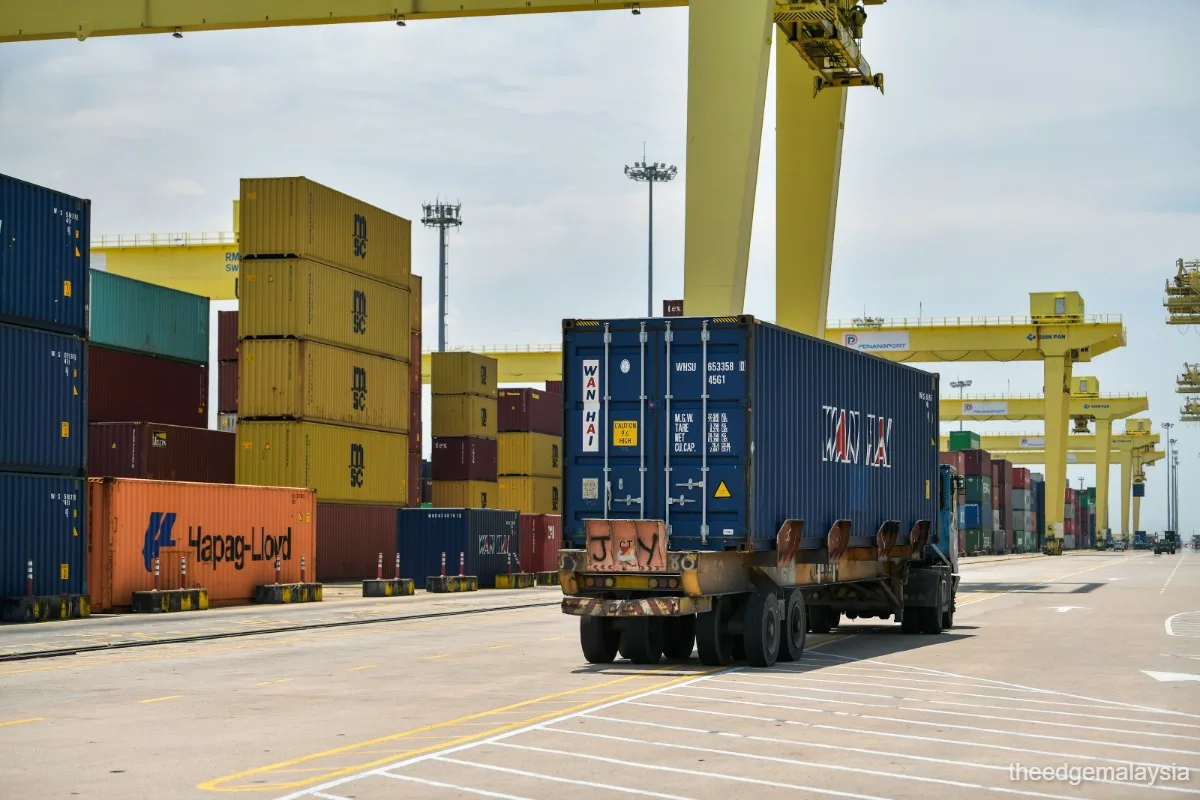
Malaysia’s exports jumped roughly 45% year-on-year to RM184 billion in May 2026, marking the fastest growth since August 2022 and well above economists’ median forecast of around 30% [1, 2, 3, 4, 5]. The surge was broad-based across major trading partners, with exports to the US nearly doubling by about 97.7%, and exports to China rising 27-28% [1, 3, 4]. Other key markets showing gains included ASEAN, the EU, and Taiwan [2, 5].
Electrical and electronic products led the export drive, supported by petroleum products, refined petroleum, liquefied natural gas, optical and scientific equipment, and machinery, according to the Department of Statistics Malaysia [1, 2, 3, 4, 5]. UOB Global Economics & Markets Research said the strong performance was propelled by robust shipments of electrical and electronics amid an ongoing AI investment cycle and supply chain shifts, especially linked to automotive technology and disruptions in the Middle East [2]. RHB Research noted the result suggests the country’s full-year export growth could exceed current forecasts of 15.3%, buoyed by resilient external demand and continued strength in the technology sector [2].
Imports also rose, but at a slower pace. Malaysia’s imports grew about 14.1% year-on-year in May 2026 [2, 3, 4, 5]. The trade surplus consequently hit a record RM40.38 billion — 38% higher than the surplus posted in April 2026 [2, 3, 4, 5]. Total commercial trade, combining exports and imports, expanded nearly 30% year-on-year to RM327.6 billion, the strongest in 44 months [5].
For the first five months of 2026, exports increased 24.3% year-on-year, more than four times the 5.4% growth seen in the same period last year [2]. This reflects sustained momentum at the start of the year.
Meanwhile, Malaysia’s consumer price index inflation climbed 2% year-on-year in May 2026, the highest since July 2024 [6, 3, 4, 7]. Food and beverage prices nudged inflation higher, rising 1.4% versus 1.2% in April [6, 7]. Among 573 tracked items in May, around 63.5% recorded price increases, mostly under 10%, while 29.1% saw declines [7].
Economists are revising up their 2026 export growth forecasts following May’s strong showing, with some now projecting growth near 25% for the full year [2]. Malaysia’s export performance in May points to continued strength in external demand and key manufacturing sectors.
The government and economists will closely watch upcoming trade data to confirm whether the heightened export momentum sustains through the second half of 2026.