Malaysia remains highly dependent on foreign workers, a situation the government says limits industries from moving up the value chain and competing globally. Deputy Investment, Trade and Industry Minister Sim Tze Tzin said on May 21, "Malaysia relies too heavily on foreign workers, and if we continue to rely on foreign workers and keep everything manual, we will fall behind" [1, 2].
To address this, the government plans to help 3,000 companies transition from manual labor to automated processes [1, 2]. Large factories can access matching grants up to RM20 million for automation projects, while Malaysian Industrial Development Finance Bhd offers low-interest loans to support modernization efforts [1, 2]. The Malaysia External Trade Development Corporation (EXIM Bank) also provides financing designed to help companies digitize operations and protect exports [1, 2].
Minister Sim stressed automation will not cause job losses. "Many people fear that workers will lose their jobs due to automation, but that is certainly not the case. If a factory transitions to automation, workers will be upgraded from operators to technicians, gaining new knowledge and getting higher wages," he said [1, 2].
Meanwhile, Malaysia's recycling industry is facing supply chain disruptions due to ongoing tensions in the Middle East affecting availability of plastic and PET raw materials [2]. Large producers such as Coca-Cola and Nestlé have historically relied on low-cost PET imports from China [2]. Local recyclers tend to export materials to Europe for higher profits, limiting the availability of recycled inputs for domestic reuse [2].
The government plans to reduce dependence on imported raw materials and promote a local circular system for recycling and reuse [2]. Currently, Malaysia’s overall recycling rate stands at about 39%, but with roughly 15,000 tons of recyclable waste daily valued at RM500 million, there is room to improve productivity and competitiveness in this sector [2]. Recent collaboration meetings between major manufacturers and recyclers aim to enhance resource sharing and cooperation [2].
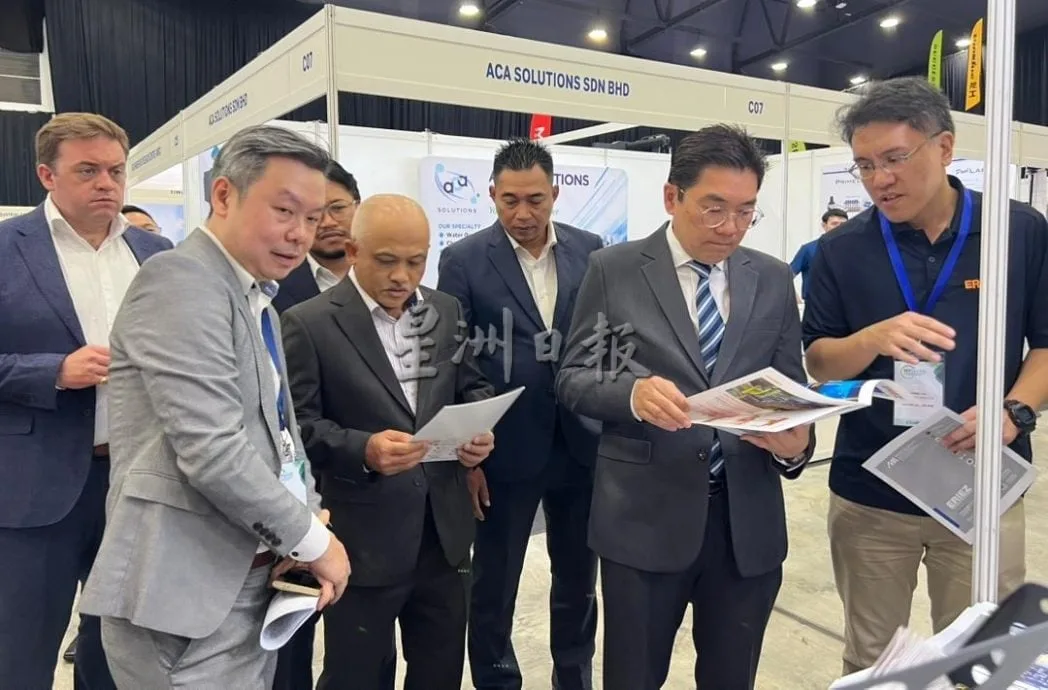
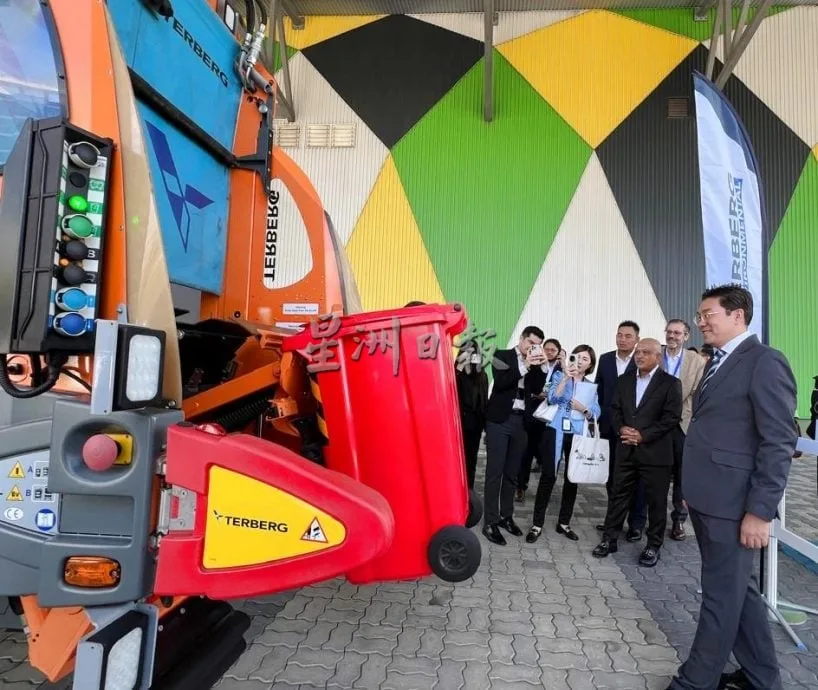
On May 21, Deputy Minister Sim spoke at both the METALTECH & AUTOMEX Exhibition and the Malaysia Waste Management and Recycling Expo to push for accelerated automation and address supply chain challenges in recycling [1, 2]. The government will continue supporting industrial automation and circular economy efforts throughout 2026.