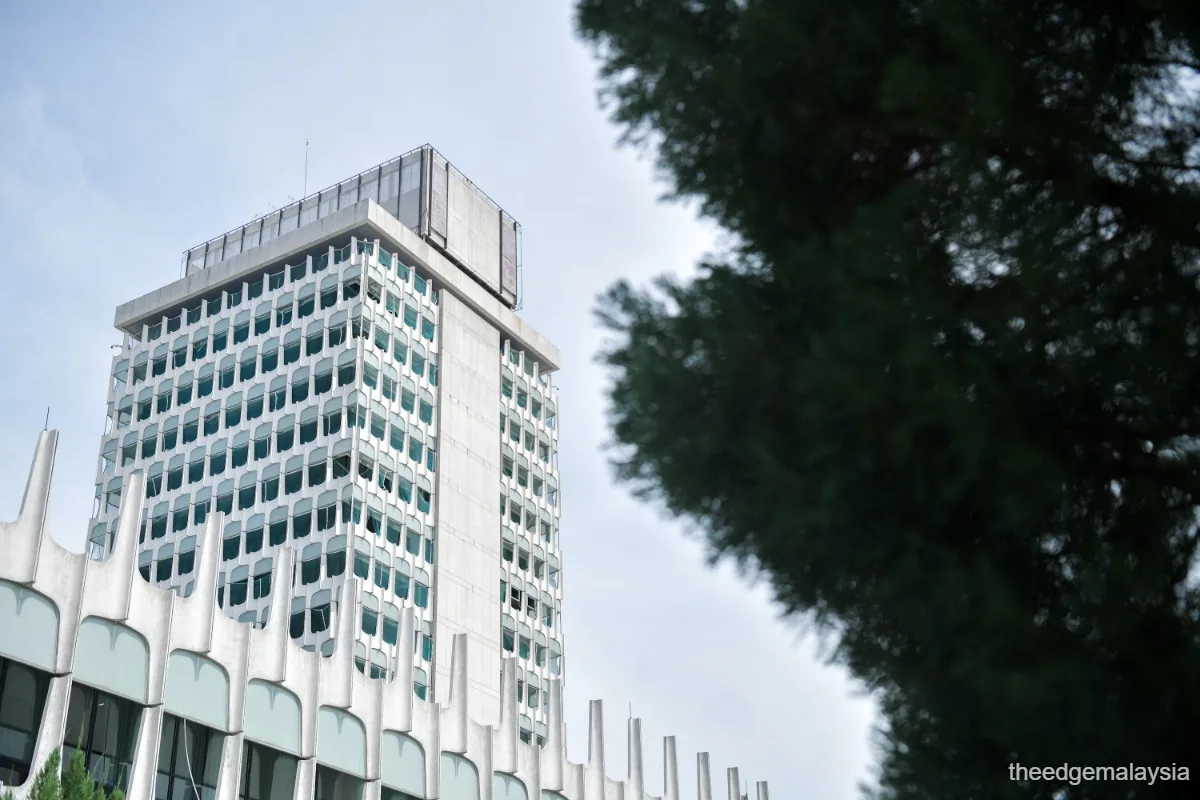
Malaysia’s Dewan Rakyat opened its second meeting of the fifth session on June 22, addressing economic challenges from trade disruptions linked to the Strait of Hormuz and plans to improve the haj management system for 2027 [1, 2].
Economy Minister Akmal Nasrullah Mohd Nasir reported Malaysia’s GDP grew 5.4% in the first quarter of 2026, driven by strong domestic demand and robust electrical and electronics exports. He said, "GDP growth for the first quarter of 2026 expanded by 5.4 per cent, supported by resilient domestic economic performance and strong domestic demand" [3, 4].
The minister highlighted broader cost pressures from global trade disruptions tied to Middle East conflicts. He stated, "This crisis is not only about oil prices. Its impact extends beyond the energy sector and also places pressure on logistics costs, shipping insurance, agricultural inputs, industrial raw materials, food supplies and global supply chains" [3]. Among the industries most affected are logistics, agriculture, food production, manufacturing, chemicals, plastics, packaging and pharmaceuticals [5].
Global maritime freight costs have nearly doubled, while shipping insurance costs surged up to sixteen times during the crisis peak [3, 5]. Malaysia imports 63% of its fertilizer requirements, with fertilizer costs expected to rise between 15 and 20%, and livestock feed costs estimated to increase by 8%, driving up food production expenses [3, 5]. Despite these pressures, Malaysia’s inflation remained moderate at 2.0% in May, slightly above April's 1.9% [5, 4].
Labour market conditions stayed stable with a participation rate of 70.9% and unemployment near 3.0% as of April 2026. However, the minister warned, "If the crisis continues, it could affect employment, household incomes and corporate investment decisions" [5, 4].
The government is executing intervention programs under the 13th Malaysia Plan aimed at citizen protection, supply stability, business support, and strengthening economic resilience [1, 5, 4].
Parliament also debated questions on managing AI misuse under the AI Governance Bill, reforms for the 2027 haj pilgrimage, and food security measures amid Middle East tensions [1, 2].
The Dewan Rakyat is scheduled to sit for 16 days from June 22 to July 16, 2026 [1, 2].