Malaysia is building a future-ready maritime economy centered on resilient ports, diversified energy sources, digital infrastructure, secure shipping corridors, and regional cooperation, leveraging the strategic location of the Strait of Malacca, Transport Minister Anthony Loke said at the Global Maritime Economics Conference on June 23, 2026 [1]. He emphasized that about one-quarter of global trade goods and a large share of Asia’s energy imports transit the corridor each year, placing Malaysia at a key strategic position.
The government is securing long-term energy supply agreements lasting at least 20 years for oil, gas, and diesel to ensure stability in the logistics and transport sectors, Loke said [2, 3]. Prime Minister Anwar Ibrahim confirmed that Russia has pledged a long-term supply deal aligned with Malaysia’s neutral foreign policy, which seeks diplomatic engagement with major powers including Russia, the US, and China to maintain continuous energy access [2, 3].
Following the UAE’s withdrawal from OPEC on May 1, 2026, Malaysia aims to enhance cooperation with the UAE in petroleum, petrochemicals, logistics, and energy transition sectors. In 2025, crude petroleum imports from the UAE were valued at RM11.15 billion, making up 43% of total imports from the country, while downstream petroleum products accounted for RM4.23 billion or 10.4% [4, 5]. Malaysia’s crude petroleum exports to the UAE stood at RM729.82 million, with downstream products at RM88.35 million in 2025 [4, 5].
Investment, Trade and Industry Minister Datuk Seri Johari Abdul Ghani stressed that fundamentals like policy clarity and ecosystem stability drive foreign investment decisions rather than political speculations or the upcoming general election [6]. Malaysia approved investments reached RM1.7 trillion for 2021–2025, with foreign investment accounting for RM940.25 billion (54.6%) and creating an expected 825,502 jobs across 30,301 projects [6].
Deputy Prime Minister Datuk Seri Fadillah Yusof welcomed growing German SME investments in green technology, renewable energy, and water management that align with Malaysia’s sustainability goals [7]. Malaysia’s data centres used about 54% of their approved electricity capacity (1,102 MW of 2,050 MW) and around 51% of water capacity (28.68 million litres per day of 55.83) as of mid-2026 [8].
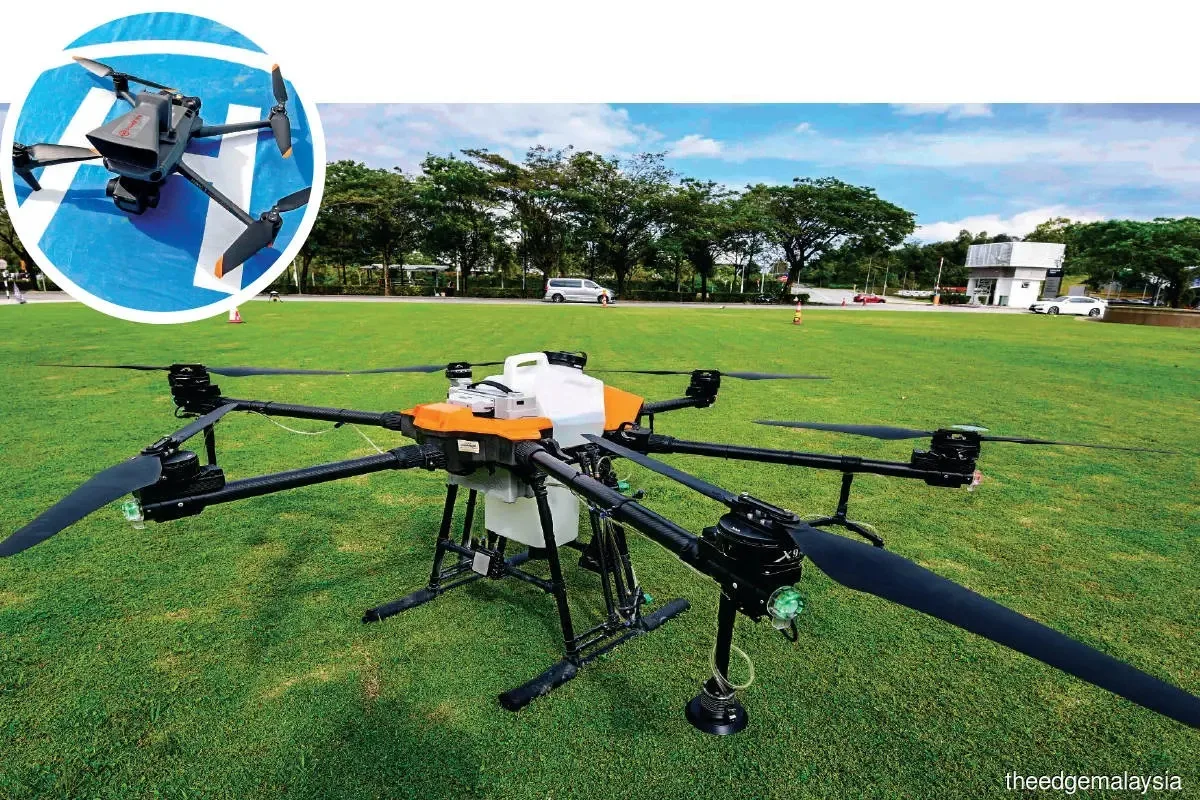
Loke also announced expected guidelines on Malaysia’s emerging low-altitude economy, covering drones and advanced air mobility, to be introduced by year-end 2026 to regulate safety and support sector growth [9].
Earlier concerns about higher US tariffs up to 145% on Malaysia’s exports proved unfounded after a trade deal was signed. Johari warned that without it, Malaysian products would lose competitiveness due to additional US tariffs [10]. Malaysia exported RM233 billion worth annually to the US [10].
Sabah and Sarawak require upgraded port infrastructure to fully tap export potential and attract larger shipping volumes, especially for palm oil, which Malaysia produces at 20 million metric tonnes annually and yields RM150 billion from downstream exports [11].
Universiti Sains Malaysia climbed to fifth globally in the Times Higher Education 2026 Sustainability Impact Rankings, retaining the top global rank for SDG 17 partnerships, reflecting a strong sustainability ecosystem according to its vice-chancellor, Professor Datuk Seri Dr Abdul Rahman Mohamed [12].
Malaysia’s next steps include finalizing and issuing the low-altitude economy guidelines by the end of 2026, supporting further growth in advanced mobility sectors [9].