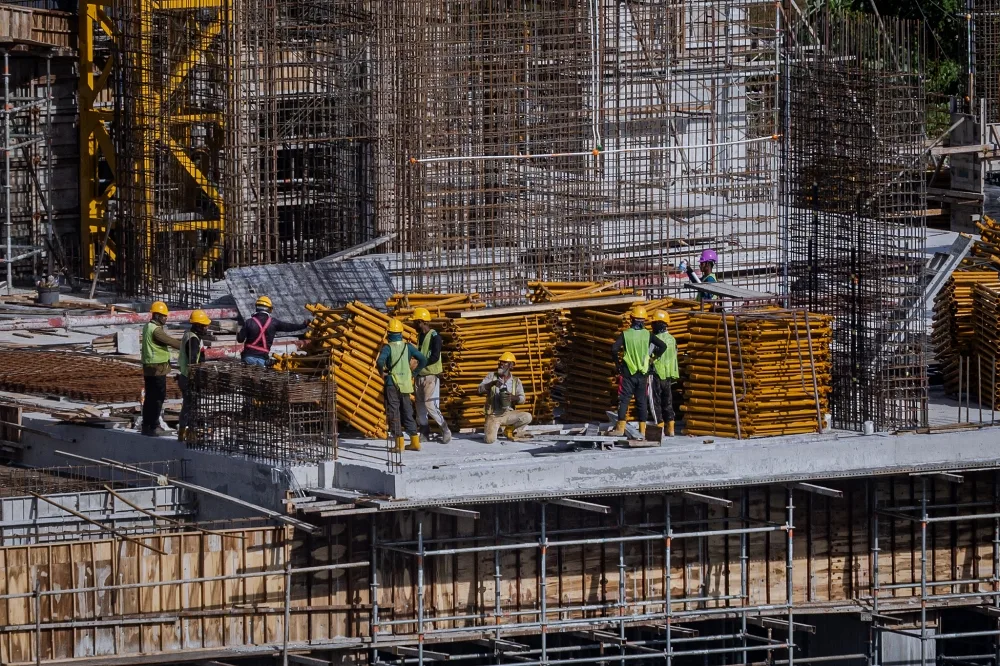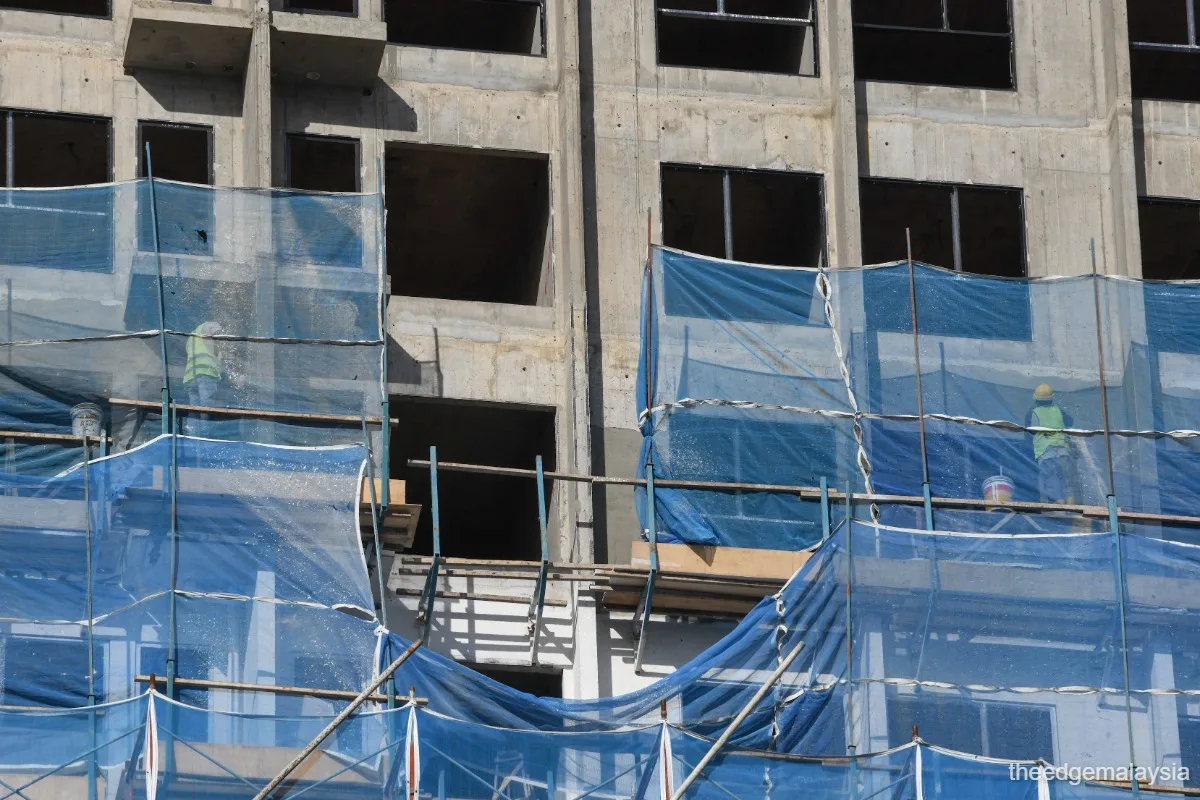
The cost of construction materials in Malaysia has risen due to the global energy crisis and supply chain disruptions but remains manageable, allowing contractors to keep projects moving without delays, Works Minister Alexander Nanta Linggi said on June 17 during the Malaysian Regional Geotechnical Engineering Conference opening ceremony [1, 2, 3].
"For now, the situation is still within a manageable level and does not require additional allocations. However, we will continue to monitor the situation. If there is a sudden price increase, we have a strategy to deal with it," Alexander Nanta Linggi said [1].
The government has decided to proceed with existing construction projects despite price increases, recognizing the construction sector as a key driver of Malaysia's economic growth. Linggi emphasized the risks of delays, noting that "if projects are postponed, the economy could be affected because the allocations provided are not spent in the construction sector" [2, 3].
The Ministry of Works and the Construction Industry Development Board jointly studied the crisis's impact on construction and presented their findings to the National Economic Action Council. Their report included short-term and long-term economic strategies to address supply chain challenges and price fluctuations [1, 2, 3].
Contractors currently absorb the higher costs without delaying timelines, ensuring ongoing projects continue smoothly [1, 2, 3]. The government remains prepared to implement contingency plans should material prices surge suddenly [1, 2, 3].
The construction sector is seen as vital to the country’s economic momentum, which explains why authorities favor maintaining project momentum amid manageable cost pressures [1, 2, 3]. The short-term outlook is stable according to government officials, who will continue closely monitoring material cost trends [1].