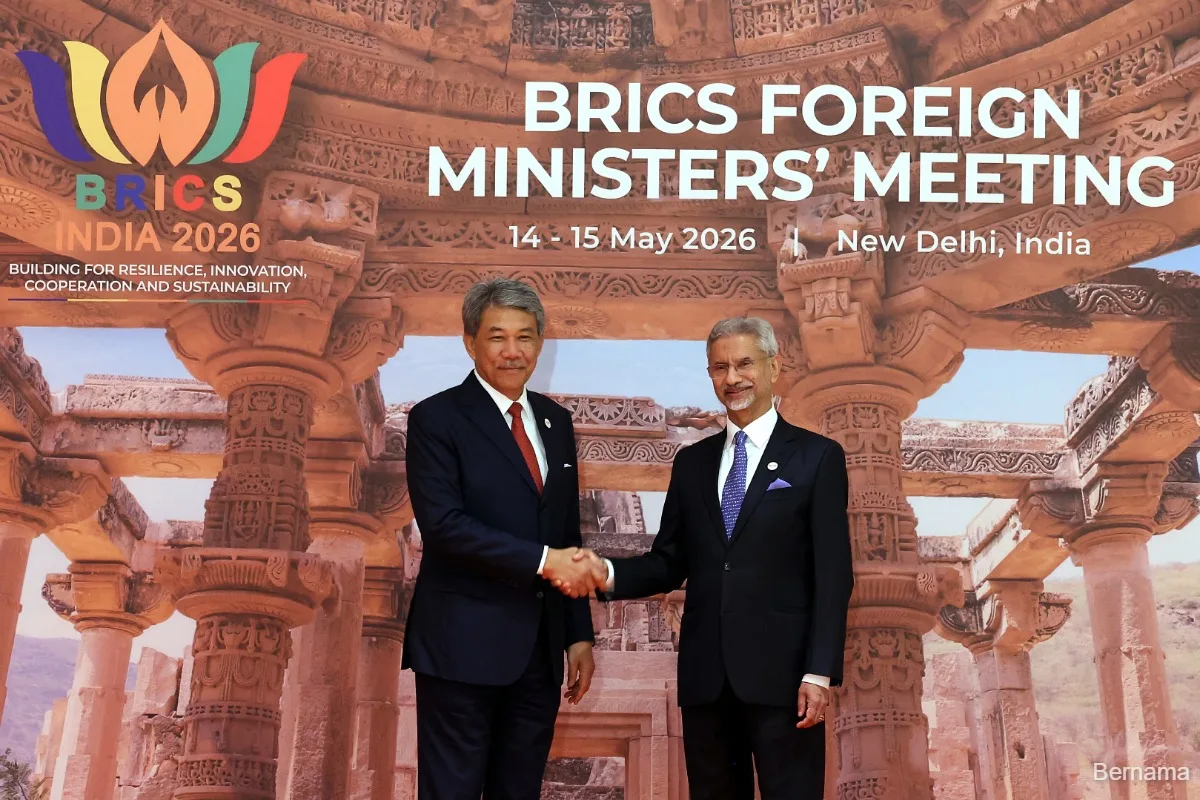
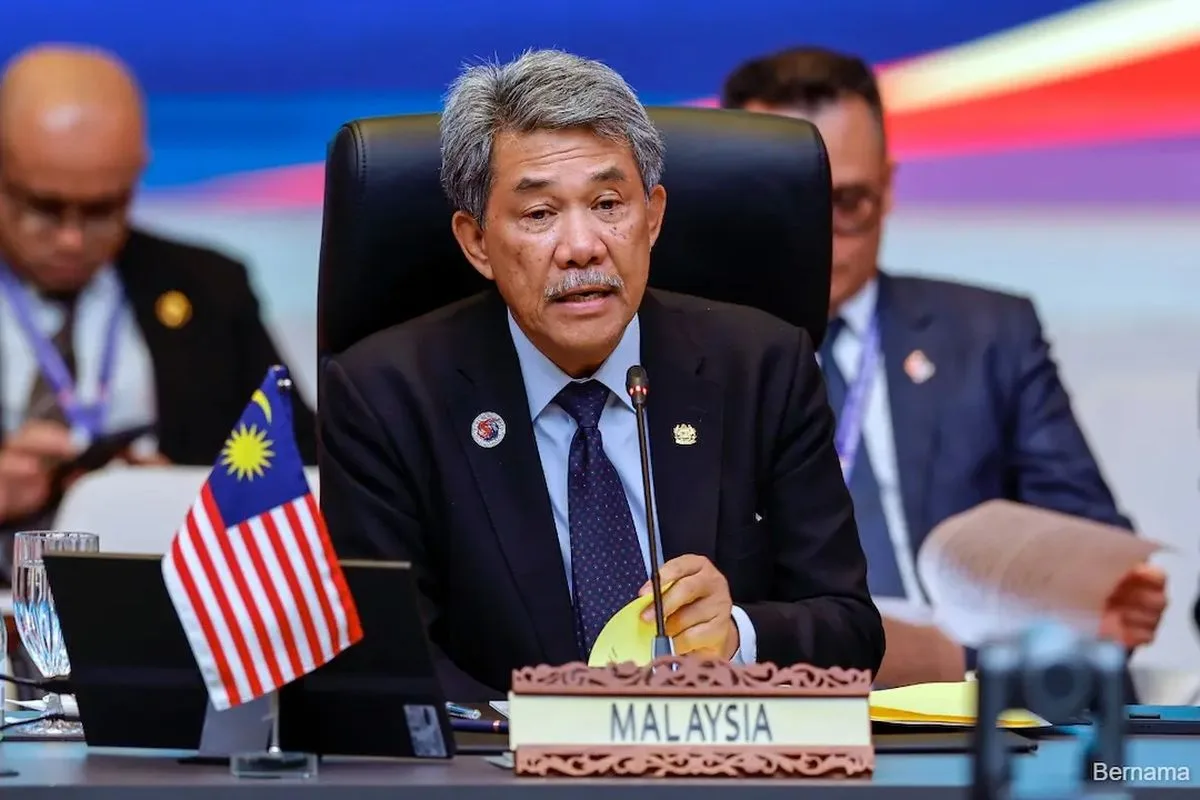
Malaysia took part in the BRICS Foreign Ministers' Meeting held in New Delhi from May 14 to 15, 2026. Foreign Minister Datuk Seri Mohamad Hasan represented the country at the event, marking Malaysia's active role as a BRICS Partner Country since January 1, 2025 [1, 2, 3, 4, 5, 6, 7, 8, 9].
The meeting focused on the 20th anniversary of BRICS and themes including building resilience, innovation, cooperation, sustainability, and reforms in global governance and the multilateral system [1, 2, 8]. Malaysia called for urgent reforms to make global governance systems better represent developing countries, emphasizing that nearly 40% of developing nations face severe debt challenges and about 3.4 billion people live in countries spending more on debt servicing than essentials [6].
Mohamad Hasan stressed the critical role of multilateralism, saying, "This year’s theme largely highlights the importance of multilateralism and the need to maintain multilateral relations. This is in line with Malaysia’s foreign policy, which aims to ensure that multilateralism remains the foundation of relations between countries" [7]. He added Malaysia's goal is "to help build a future that is resilient, inclusive, and sustainable for all" [2].
The Malaysian delegation highlighted strong potential for cooperation between BRICS and ASEAN, which Malaysia views as a neutral, rules-based, and economically dynamic region. They called for stronger cooperation to boost economic resilience, inclusive development, green growth, and digital transformation [2, 3, 4, 5]. Hasan noted, "Digital public infrastructure, fintech systems, and AI are already changing how economies function and how governments deliver services. But without inclusive access, these technologies will only widen inequality, instead of bridge the gap" [3].
Malaysia seeks to upgrade its status from partner country to full BRICS member, aiming to strengthen intra-BRICS trade and strategic partnerships. India was identified as a key partner particularly in trade, tourism, and pharmaceuticals, while Egypt was seen as a gateway to North Africa [7, 9].
During the meeting, Malaysia held bilateral talks with India, Russia, Cuba, Iran, Egypt, UAE, and Thailand. Iran assured Malaysia that Malaysian vessels passed without issues through the Strait of Hormuz, although congestion was causing longer transit times [1, 7, 9].
Malaysia also emphasized the need for green finance to move from the margins to the center of global development planning [3].
On the evening of May 15, Mohamad Hasan attended a dinner with Malaysian High Commission staff in New Delhi, where he reiterated Malaysia's support for multilateralism and global governance reforms amid the current geopolitical climate [7, 9].
Malaysia’s participation at the BRICS meeting follows preparations started on May 13 and underscores its intent to deepen cooperation within the grouping, which includes Brazil, Russia, India, China, South Africa, Egypt, Ethiopia, Iran, UAE, Indonesia, and various partner countries [1, 2, 3, 4, 5, 8].