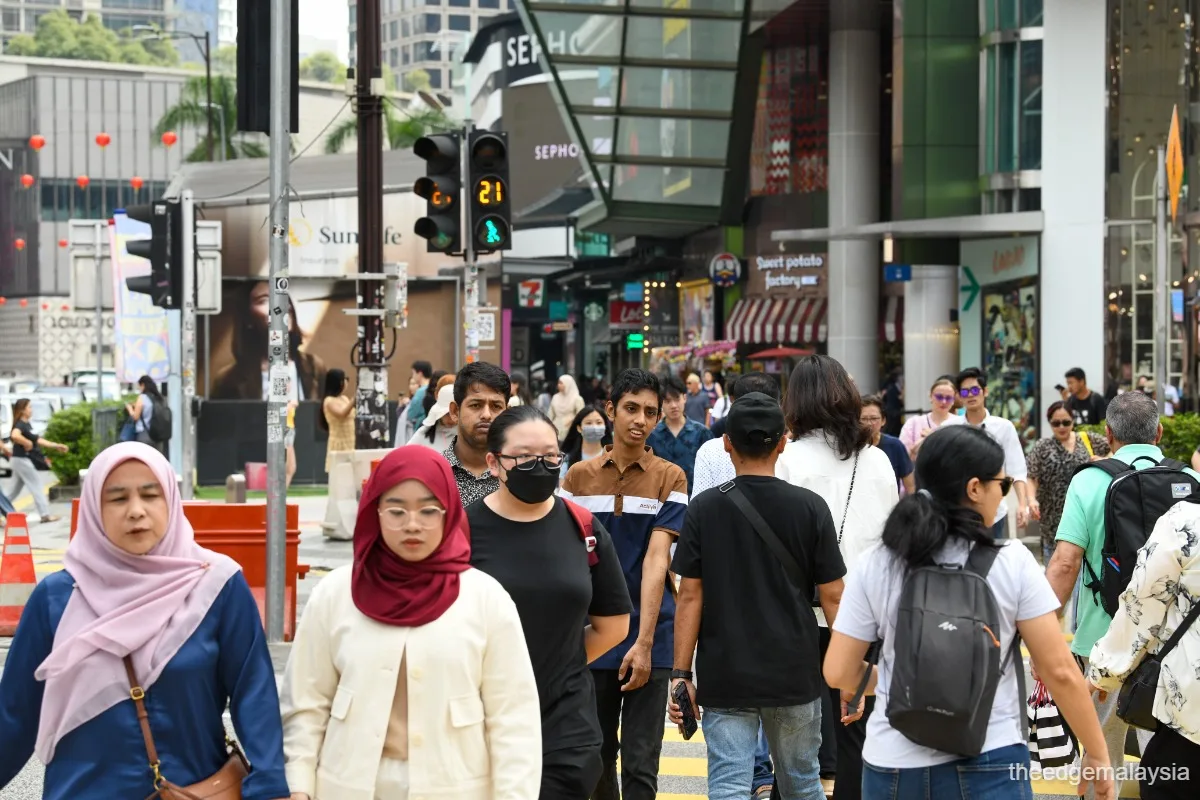
Malaysia’s unemployment rate held steady at 2.9% in March 2026, supported by small increases in both employment and labour force participation. The labour force grew by 0.1% to 17.31 million persons from February’s 17.30 million, while the labour force participation rate remained at 70.9%, said Datuk Seri Mohd Uzir Mahidin [1, 2, 3].
Employment rose slightly to 16.80 million in March from 16.79 million in February, reflecting continued stable job creation. The number of unemployed rose marginally by 0.4% to 509,000, but the unemployment rate held firm at 2.9% [1, 2, 3]. Employees accounted for 75% of total employment, increasing to 12.60 million, while own-account workers grew 0.3% to 3.14 million [1, 2, 3].
The services sector remained the main driver of employment growth, particularly in accommodation and food, information and communication, and transportation activities. Manufacturing, construction and agriculture sectors also recorded increases in employment, though mining and quarrying saw slight declines [1, 2, 3]. Actively unemployed persons, those available and actively seeking work, made up 79.7% of total unemployed, rising slightly to 405,800 [1, 2, 3].
Regionally, the Federal Territory of Putrajaya had the lowest unemployment rate at 1.3%, followed by Pahang at 1.9%, with Selangor and Melaka at 2%. Putrajaya also led labour force participation at 79.2%, followed by Selangor at 78% and Kuala Lumpur at 76% [1, 2, 3].
Labour demand grew 1.8% year-on-year in Q1 2026 to 9.23 million jobs from 9.05 million in Q1 2025. Of these jobs, 97.9% were filled, while 2.1% remained vacant. Despite a 1.5% year-on-year decline in new jobs created, 32,700 new positions were added. Filled jobs rose 1.8% to 9.03 million in Q1 2026 from 8.87 million a year earlier [4, 5, 6].
The services sector led labour demand growth with a 2.7% increase year-on-year and accounted for 53.3% of filled jobs (4.82 million), followed by manufacturing at 26.7% (2.41 million) and construction at 13.9% (1.25 million) [4, 5, 6]. Datuk Seri Mohd Uzir Mahidin said, “Despite this slight decrease, Malaysia continued to demonstrate its ability to create new jobs, reflecting sustained demand for labour in the economy” [6].
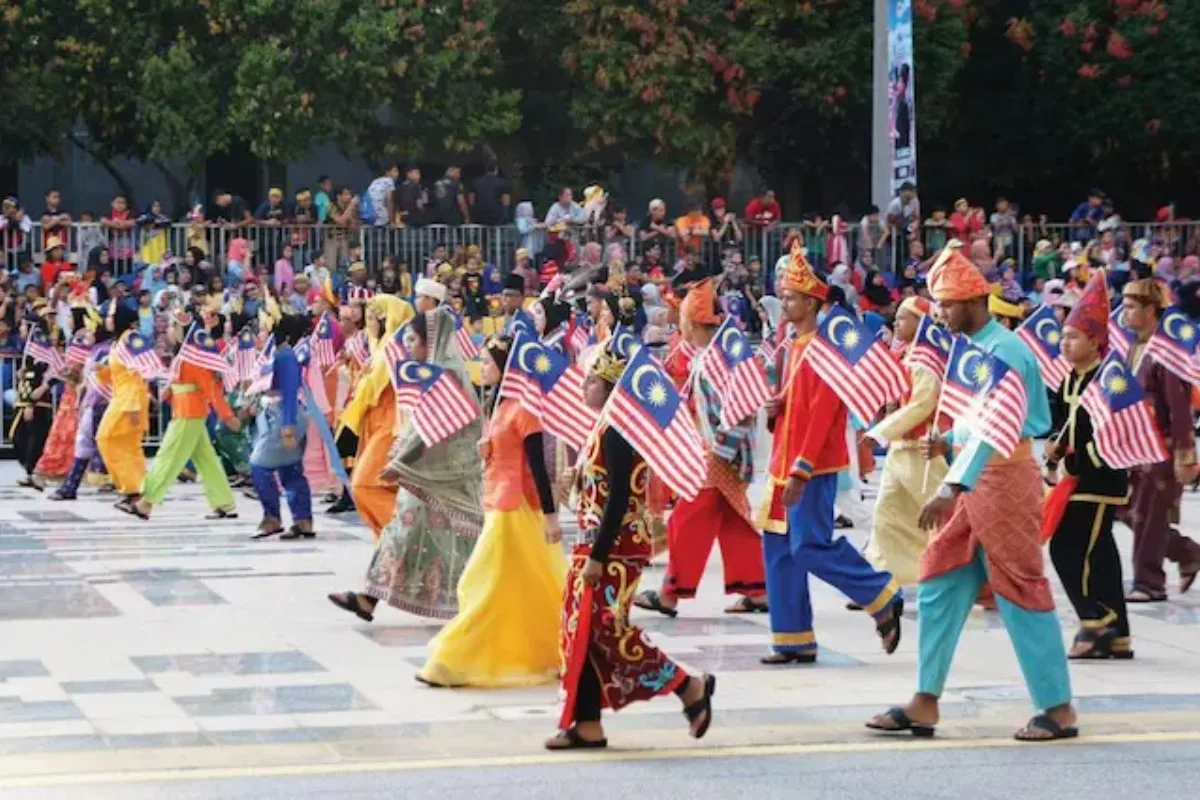
Malaysia’s total population was estimated at 34.4 million in Q1 2026, up 0.5% from a year earlier. The ethnic composition was 58.3% Malays, 22.1% Chinese, 12.3% other Bumiputera, and 6.5% Indians. Live births declined slightly to 94,807 from 97,843, while deaths fell 1.5% to 49,139, mostly among those aged 60 and above [7, 8].
The government reported GDP growth of 5.4% in Q1 2026, exceeding expectations despite global uncertainties. Prime Minister Anwar Ibrahim said, “Sustained job creation has reduced unemployment to the lowest level in a decade, at 2.9%, while inflation has remained moderate at 1.6%, supporting resilient domestic demand” [9]. Measures such as fuel subsidy rationalization and SME support have helped buffer the economy against external shocks [9].
Deputy Communications Minister Teo Nie Ching highlighted Malaysia’s invitation for greater cooperation with Chinese companies in advanced digital sectors including AI, 5G, and clean energy. She said, “We warmly invite Chinese enterprises to deepen cooperation with Malaysian counterparts in areas such as advanced digital technologies, artificial intelligence, 5G applications and clean energy solutions” at the China Smart Industry Trade Exhibition on May 15 [10].
Penang also reported a strong investment inflow of RM63.96 billion for 2026, led by services and manufacturing. Chief Minister Chow Kon Yeow noted, “The total approved investments for Penang stood at RM63.96 billion, reflecting investors' confidence in the state's strong economic fundamentals” [11].
Malaysia’s labour market remains stable with steady employment growth and rising labour demand. The next labour market update is expected with the release of Q2 2026 data.