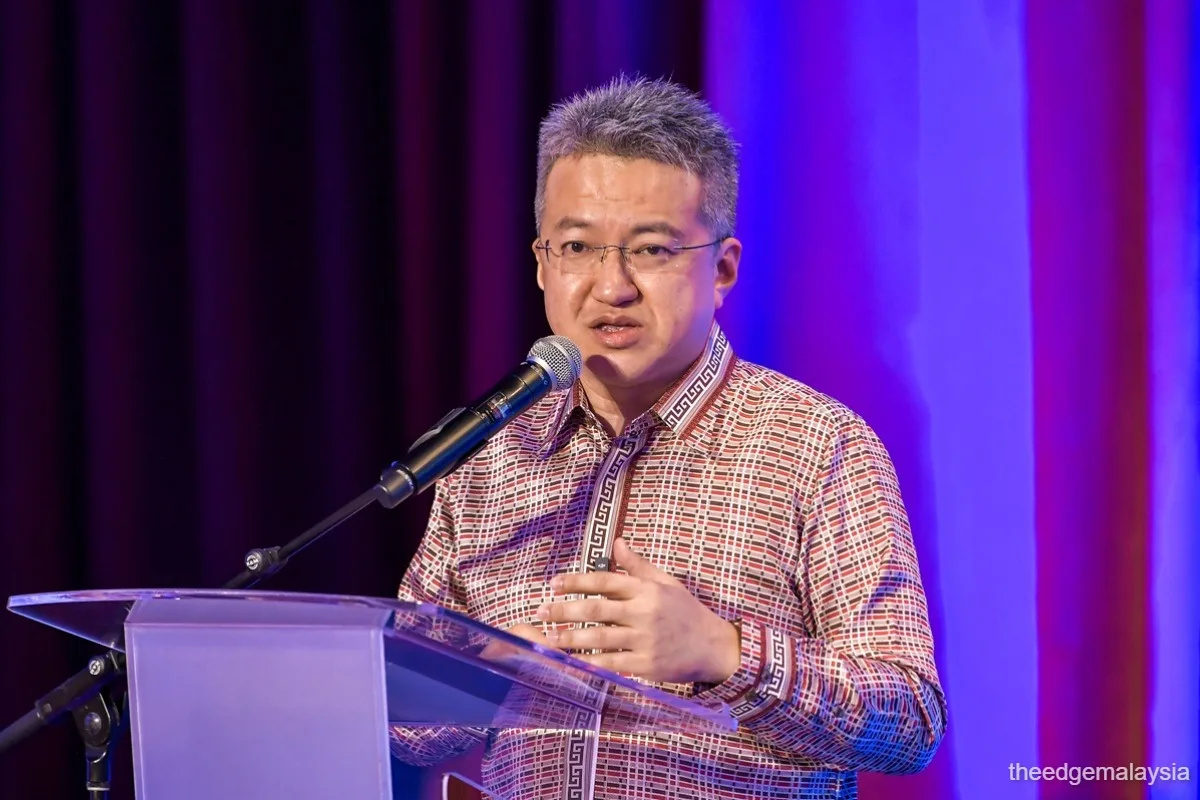
The Malaysian government has approved RM9.8 billion in financing funds to broaden microcredit access for small traders and hawkers across the country [1, 2, 3, 4]. The allocation will be distributed through six major financial institutions: Bank Simpanan Nasional, Amanah Ikhtiar Malaysia, Bank Rakyat, TEKUN Nasional, Agrobank, and Majlis Amanah Rakyat [1, 2, 3, 4].
The programme aims to simplify loan access, provide advisory and mentorship services, and support micro-entrepreneurs in adopting digital technologies [1, 2, 3, 4]. Deputy Finance Minister Liew Chin Tong said, "This programme has been running for a long time, and we hope to improve and expand access so that more hawkers can benefit from microcredit facilities" [2]. He also expressed hope the recent event would boost morale among the participating institutions while uncovering new ways to reach more hawkers [3].
On June 21, 2026, the Microcredit Turun Padang programme held an event at the Dataran Puchong Permai Farmers Market, where 12 local hawkers secured financing approval: 7 from Amanah Ikhtiar Malaysia, 3 from Bank Simpanan Nasional, and 2 from Agrobank [1, 2, 3, 4]. Prior outreach events took place at Taman Melawati, Kelana Jaya, and Bandar Tasik Permaisuri Farmers Markets [1, 4].
Despite ongoing efforts, 63% of hawkers reportedly still struggle to secure financing due to irregular income streams or documentation difficulties [2, 3]. The institutions managing these microcredit loans collectively support large portfolios: Tekun Nasional manages 112,120 active loans valued at RM4.9 billion; Bank Simpanan Nasional supports 99,570 loans worth RM1.83 billion; Amanah Ikhtiar Malaysia manages 159,275 loans totaling RM1.3 billion; Agrobank oversees 42,808 loans worth RM1.3 billion; Bank Rakyat and Majlis Amanah Rakyat (Mara) handle smaller portfolios of 8,055 loans at RM186 million and 3,786 loans at RM33 million respectively [2, 3].
Deputy Minister Liew said the Finance Ministry is gathering feedback from small traders to inform the 2027 Budget and prime minister’s deliberations. He added, "The Finance Ministry will take this into consideration, and we hope to gather feedback to be presented to the prime minister for consideration during upcoming budget discussions" [2].
The programme plans to continue outreach and loan disbursements to increase microcredit reach in rural and urban markets. The next steps will focus on leveraging feedback to refine lending criteria and expand digital support services for micro-entrepreneurs [1, 4].