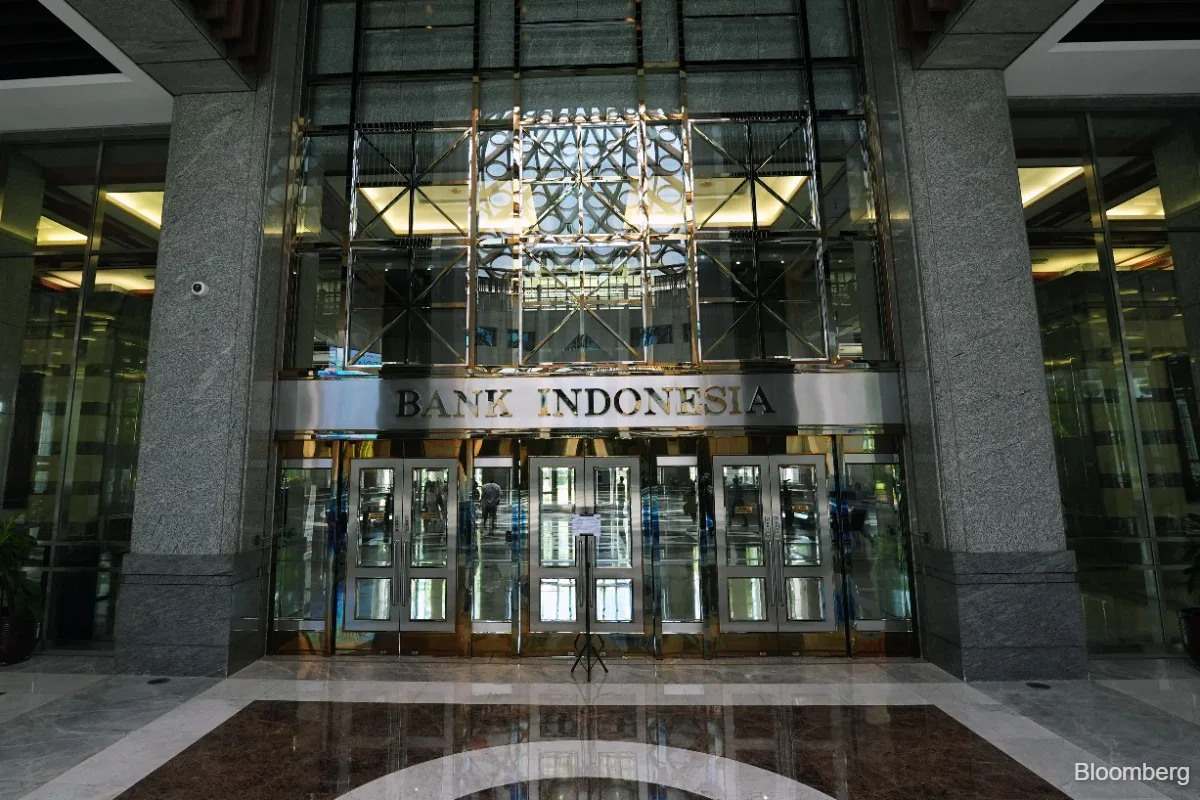
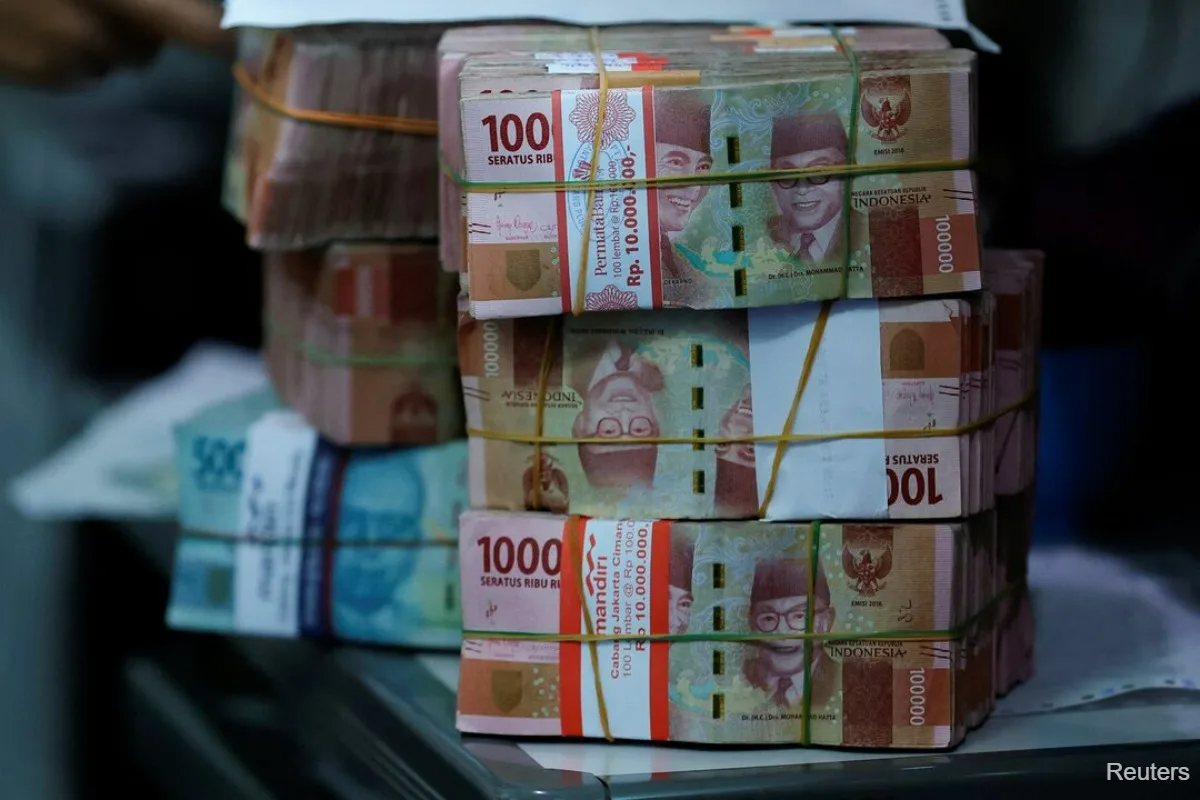
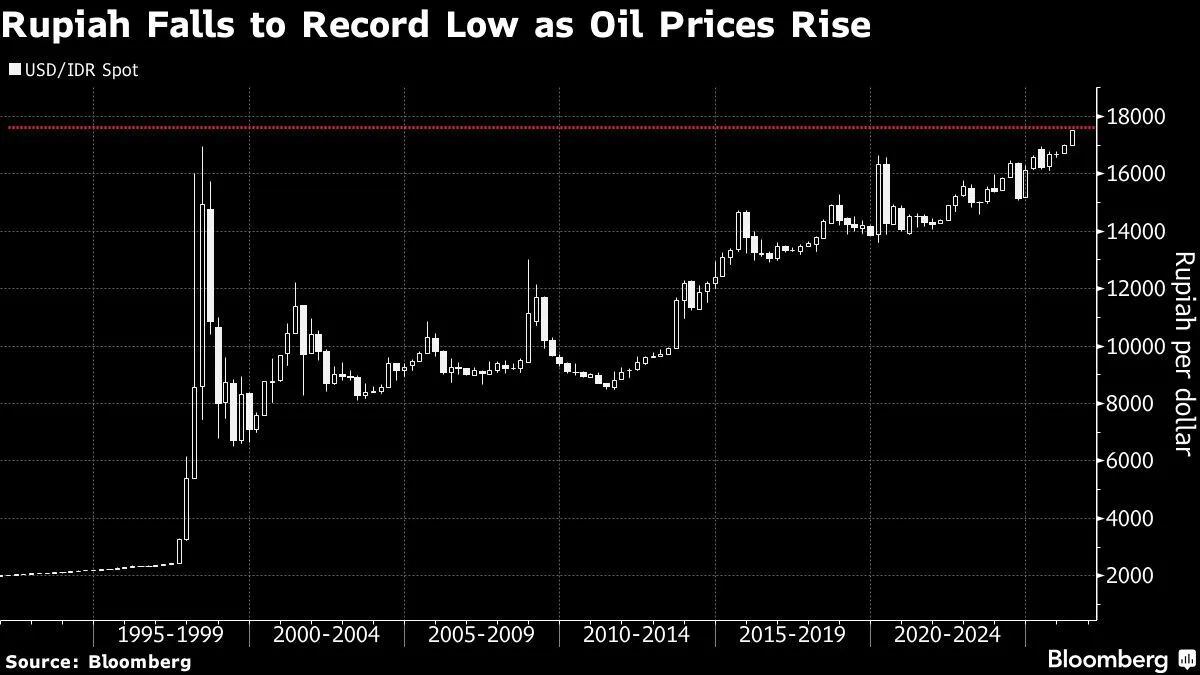
Indonesia's rupiah fell to a record low on May 12, touching 17,525 per US dollar as Bank Indonesia said it would step up foreign-exchange market action to slow the slide. [1, 2]
Bank Indonesia Deputy Governor Destry Damayanti said the central bank was committed to stay in the market through spot trades, domestic and offshore non-deliverable forwards, and other monetary tools to ease pressure on the currency. "BI remains committed to remain in the market by conducting smart interventions in the spot market, DNDF (domestic non-deliverable forward), as well as (offshore) NDF, and to continue using all available monetary operation instruments so that we can reduce pressures on the rupiah," she said. [2]
Officials pointed to higher oil prices and rising Middle East tensions as the main drivers of the rupiah's weakness. They also cited seasonal demand for US dollars from debt repayments, dividend remittances and the hajj pilgrimage. [3, 1, 2]
Market worries over Indonesia's fiscal health and possible pressure on local stocks from MSCI-related flows also added to the selling, according to the reports. The rupiah has fallen almost 5% this year and nearly 5% since the Middle East war began in late February, with one report saying the drop since then was nearly 7%. [3, 1, 2]
Damayanti said Bank Indonesia expected the pressure to be seasonal and to ease as the currency returns to its fundamental level. The central bank said it would keep intervening in the spot market, DNDF and offshore NDF trading to support the rupiah. [2]