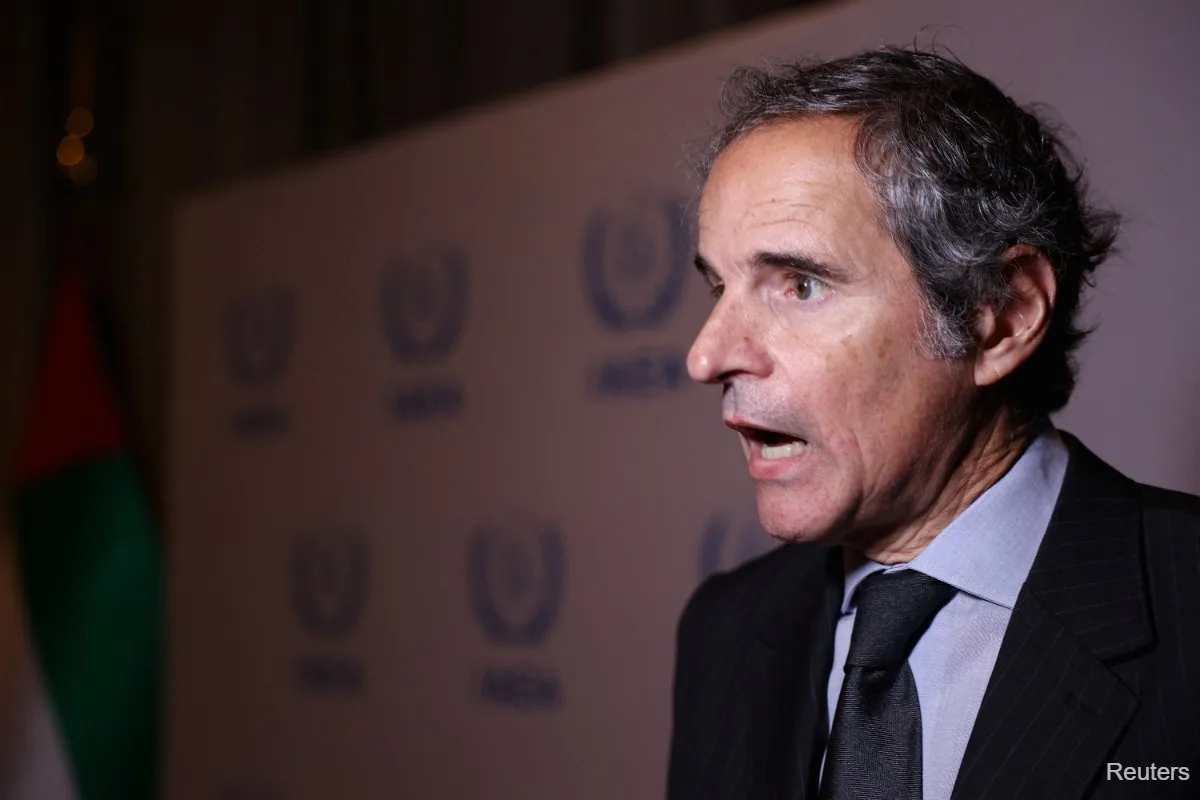
Malaysia is positioned to pursue a nuclear power program, supported by its long-standing expertise in nuclear technology, IAEA Director General Rafael Mariano Grossi said today at a journalists seminar in Vienna [1, 2, 3]. "There are many people in Malaysia who know nuclear technology and know what a nuclear reactor is," Grossi said, noting the country’s capability [2].
The Triga Puspati Reactor, Malaysia's only nuclear research reactor, has operated since June 28, 1982. It is located at the Malaysian Nuclear Agency in Bangi, Selangor. The reactor has been used for training, research, isotope production, and scientific applications [1, 2, 3].
Grossi said the IAEA has been working with Malaysia, where the government has shown "strong interest" in systematically exploring accession to nuclear energy with international support [1]. Malaysia views nuclear power as part of its strategy to diversify its energy mix, secure clean and reliable electricity, and enhance national energy security [1, 2, 3].
The 13th Malaysia Plan for 2026-2030 identifies nuclear energy as a viable clean electricity source and targets starting implementation by 2031 [1, 2, 3]. This targets addressing growing electricity demand, reducing fossil fuel dependence, meeting a net-zero greenhouse gas emissions goal for 2050, and responding to the global energy crisis exacerbated by the West Asian conflict [1, 2, 3].
As of January 2026, about 70 newcomer countries across Africa, Latin America, and Asia are exploring nuclear energy. Malaysia is among 28 countries in the decision-making phase for nuclear power [1, 2, 3]. The IAEA continues to provide assistance to countries embarking on such programs [1, 2, 3].
Separately, Malaysia's Science, Technology and Innovation Minister Datuk Chang Lih Kang officiated the launch of a drone-based STEM education room at SJKT Ladang Katoyang on the same day. He said drone education teaches coding, AI, engineering, and data analysis, exposing students to smart agriculture, disaster management, and transportation applications [4]. Chang also noted the importance of exploring alternatives beyond solar energy, which cannot reliably serve as a baseload source, underlining the need for hydro, geothermal, and nuclear options [4].
Currently, Malaysia's electricity baseload relies on natural gas and coal [4]. The country's pursuit of nuclear power aligns with efforts to expand clean energy sources.
Malaysia aims to launch its nuclear power program beginning in 2031, building on existing infrastructure and expertise established over four decades ago with the Triga Puspati Reactor [1, 2, 3].