Jet fuel prices have surged to forecast highs near US$152 per barrel in 2026 due to the ongoing US-Israel conflict with Iran, disrupting air corridors and energy supplies worldwide [1, 2, 3, 4, 5]. The closure of the Strait of Hormuz after strikes in late February forced Saudi Arabia, Iraq, UAE, and Kuwait to cut crude output, reducing about one-fifth of global energy supply [6, 7].
OPEC+ agreed on June 7 to raise oil production targets by 188,000 barrels per day for July, marking the fourth month in a row for quota increases. However, actual output has fallen as Gulf producers maintain cuts amid the Strait’s closure and the UAE’s exit from OPEC [8, 6, 7]. Jacques Rousseau of ClearView Energy Partners said, "Everything is in a waiting game until the strait reopens... these barrels have nowhere to go" [7].
The jet fuel price spike threatens airline viability, especially for US budget carriers. Spirit Airlines collapsed in May under the crisis's pressure [1, 5]. Willie Walsh, IATA Director General, warned, "Unfortunately, I think there will be some carriers that will find this high fuel price very difficult to cope with" and noted the unlikelihood of United and American Airlines merging soon due to regulatory barriers [1, 5].
Higher fuel costs have led British Airways to announce plans for fare increases after the 2026 summer season. CEO Sean Doyle said, "A brand like British Airways, which has got a lot of long-haul, a lot of corporate, a lot of premium, we’d expect maybe to have more pass-through of prices" [9, 10, 11]. IATA forecasts elevated airfares will persist, with airlines passing on about half of the fuel cost rise to passengers due to refining capacity constraints [2, 3, 4].
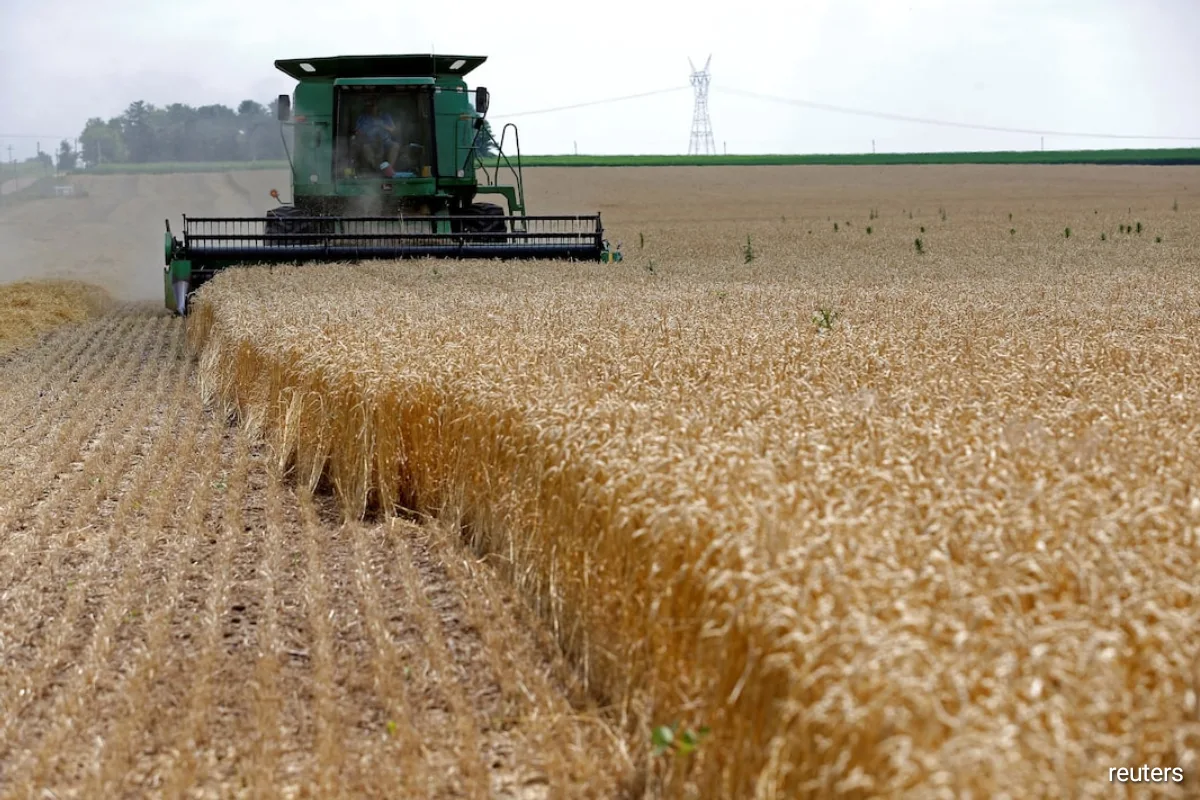
The conflict's impact extends to US agriculture, where diesel prices in farm belt states like Indiana, Illinois, and Wisconsin have surged over 40% since February, hitting record levels and raising farm operational costs. Farmer Glenn Brunkow said, "It's a huge cost. There's just not much we can do about it, and we weren't budgeting for it" [12].
Middle Eastern carriers such as Emirates, Qatar Airways, and Etihad face operational disruptions at key hubs including Dubai, Doha, and Abu Dhabi due to altered traffic flows from the conflict [1, 5]. Willie Walsh noted, "This kind of capacity cannot be replaced by airlines in other parts of the world. Once this conflict ends, I expect Gulf carriers will regain their important market position" [5].
The pandemic-low jet fuel price around US$60 per barrel seen this January is not expected to return soon due to ongoing Middle East tensions and refinery issues globally [2, 3, 4]. The next major development will be OPEC+ oil production levels for July following their recent quota increase decision [8, 6, 7].