Singapore's fuel prices have surged significantly in May 2026, driven by global supply disruptions linked to the Strait of Hormuz, even as local fuel supply remains steady [1]. Diesel prices have climbed more than 75%, while petrol costs are up by about 20%, affecting drivers and school bus operators across the city-state [1].
The government provided a one-off cash payout of S$200 to private-hire and taxi drivers in late April to ease the immediate fuel cost burden [1]. Norman Then, a private-hire driver, said, "The S$200 probably offsets only a month or even less of a driver’s overall fuel cost increase" [1]. Taxi and ride-hailing companies have offered fuel discounts of around 30%, but drivers report these measures do not fully cover rising expenses. Then added, "The discounts don’t shield you from the overall cost increase. If the cost goes up for everybody, so does it for us." [1]
Passenger fuel surcharges have risen nearly to 90 cents per trip, enabling some operators to increase fares, but fare hikes remain limited [1]. School bus operators face severe challenges, with operating costs rising by 30 to 40% of revenues, far outpacing the government's temporary support capped at 13% [1]. Edmund Lee, chairman of the Singapore School Transport Association, said, "All the bus vendors … are suffering. We can (add) a surcharge, but the thing is, (if we do so), some parents will maybe withdraw (their children). … So the bus will not (be) fully occupied." [1]
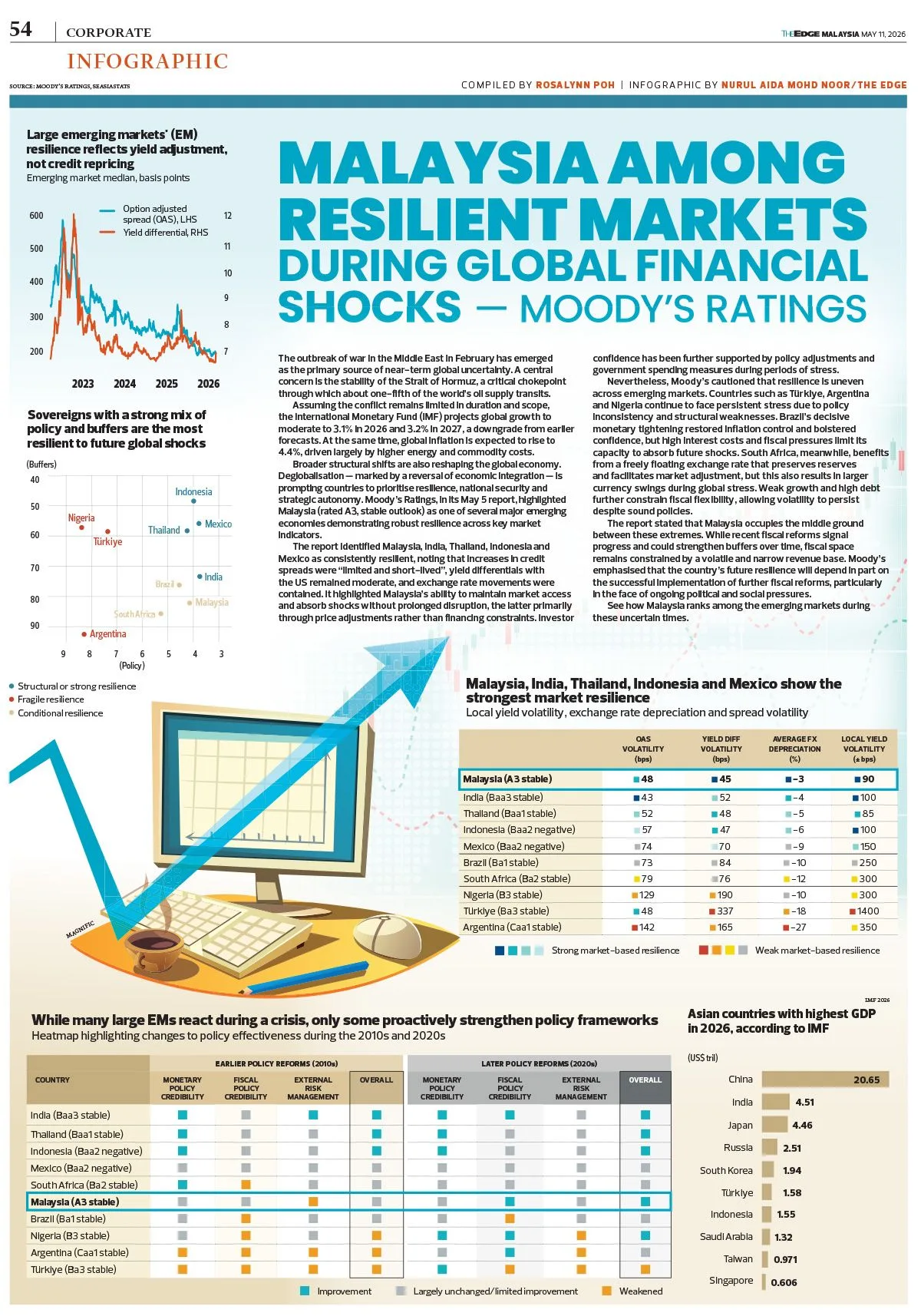
Asian refineries are producing lower diesel yields due to using alternative crude supplies amid disruptions in the supply chain, compounding cost pressures [1]. Malaysia is noted as a relatively resilient market during recent global financial shocks, according to The Edge Malaysia [2].
The latest concrete action was the Singapore government's April cash payout. No further government financial measures or timelines have been announced as of mid-May 2026.