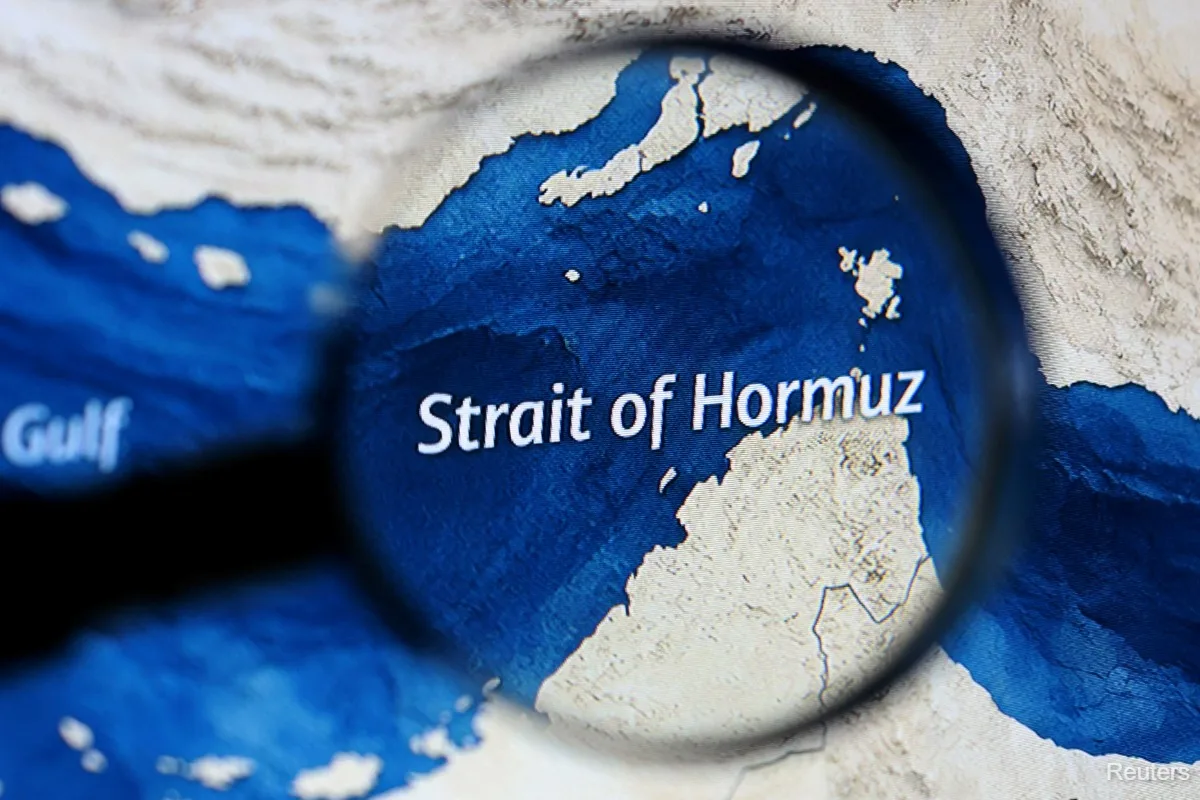
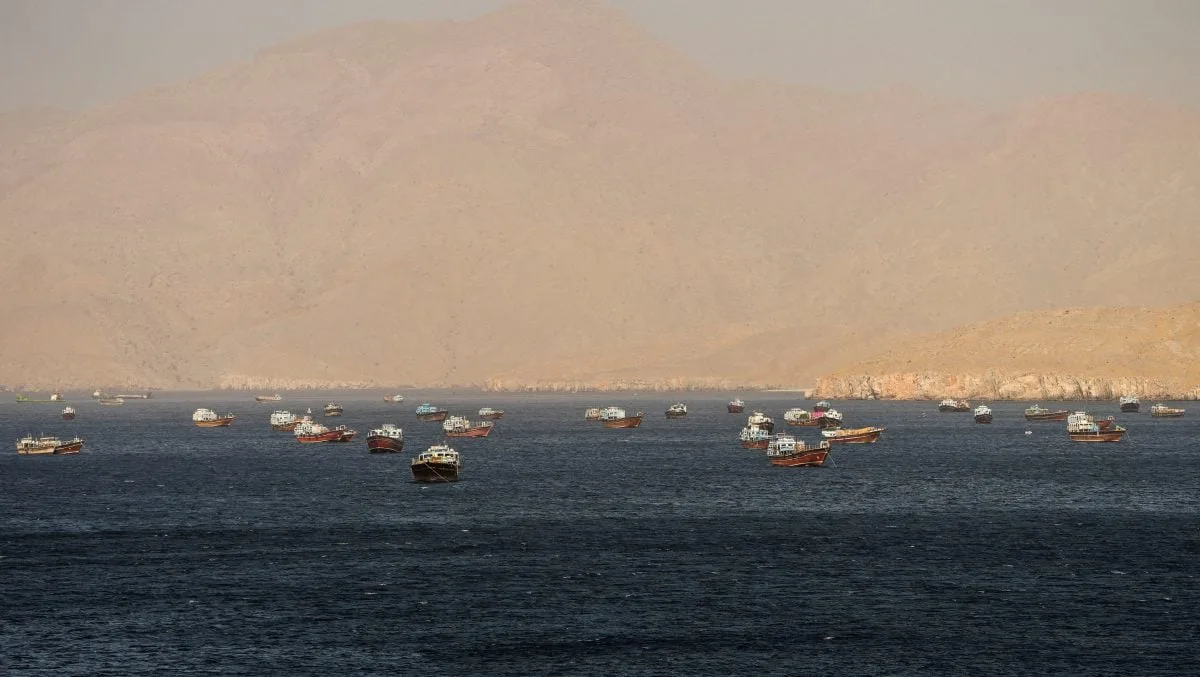
A Malaysian support vessel, Sapura 1200, owned by Vantris Energy, transited the Strait of Hormuz on May 14-15, marking the fourth Malaysia-linked ship cleared to pass since the US-Iran war began in late February 2026 [1, 2, 3, 4].
The Sapura 1200 sailed close to the Iranian coastline before heading to Muscat port in Oman after clearing the strait [1, 2, 3, 4]. Prior to this, the Malaysian government had applied to Iran for clearance for seven ships to traverse the strait, aiming to maintain key shipping routes despite the conflict [1, 2, 3, 4].
Other Malaysia-linked vessels that successfully transited since the outbreak of the war include the Liberian-flagged very large crude carrier (VLCC) Serifos on April 10, the VLCC Ocean Thunder on April 5, and the LNG carrier Mihzem on May 12 [1, 2, 3, 4]. Two Malaysian International Shipping Corporation (MISC) vessels remain stuck in the Gulf as of mid-May 2026 [1, 2, 3, 4].
The Strait of Hormuz has been mostly closed or blocked since the US-Iran war erupted in late February, severely disrupting global energy traffic and supply [1, 2, 3, 4, 5]. Iraqi oil exports through the strait dropped nearly 90% in April 2026, falling from about 93 million barrels per month pre-war to only 10 million barrels [6].
Shipping traffic showed signs of recovery during the week of May 11-17, rising to around 55 vessels from a record low of 19 the previous week [7, 8, 9, 10, 11]. Approximately half the vessels carried liquid cargo, including three VLCCs bound for China, Oman, and Japan [7, 8, 9, 10].
Iran has implemented a fee mechanism to regulate transit through the strait, applying fees only to commercial vessels cooperating with Tehran. Ebrahim Azizi, Iranian parliament security committee chairman, stated, "In this process, only commercial vessels and parties cooperating with Iran will benefit from it. This route will remain closed to the operators of the so called ‘freedom project.’" [12]
Major shipping companies have shifted to land trucking routes to bypass the congestion caused by the partial blockade, pushing freight rates well above Covid-19 pandemic levels. Maersk CEO Vincent Clerc noted, "Significant trucking power has been mobilised, both the Saudis and the Iraqis have opened up for a lot of trucks coming from Iraq, from Jordan, from Turkey even." [5]
Prime Minister Anwar Ibrahim said in March 2026 that after talks with Iranian officials, Iran would allow Malaysian vessels to transit the strait [1, 2, 3, 4]. Malaysia has officially applied for clearance for seven vessels, with four now cleared to pass as of mid-May 2026 [1, 2, 3, 4].
The Sapura 1200’s transit underscores ongoing efforts to maintain maritime trade routes despite conflict-related disruptions. Meanwhile, Iranian authorities continue to oversee and collect fees for strait traffic through a newly created body active since the conflict's start [8, 9, 10].