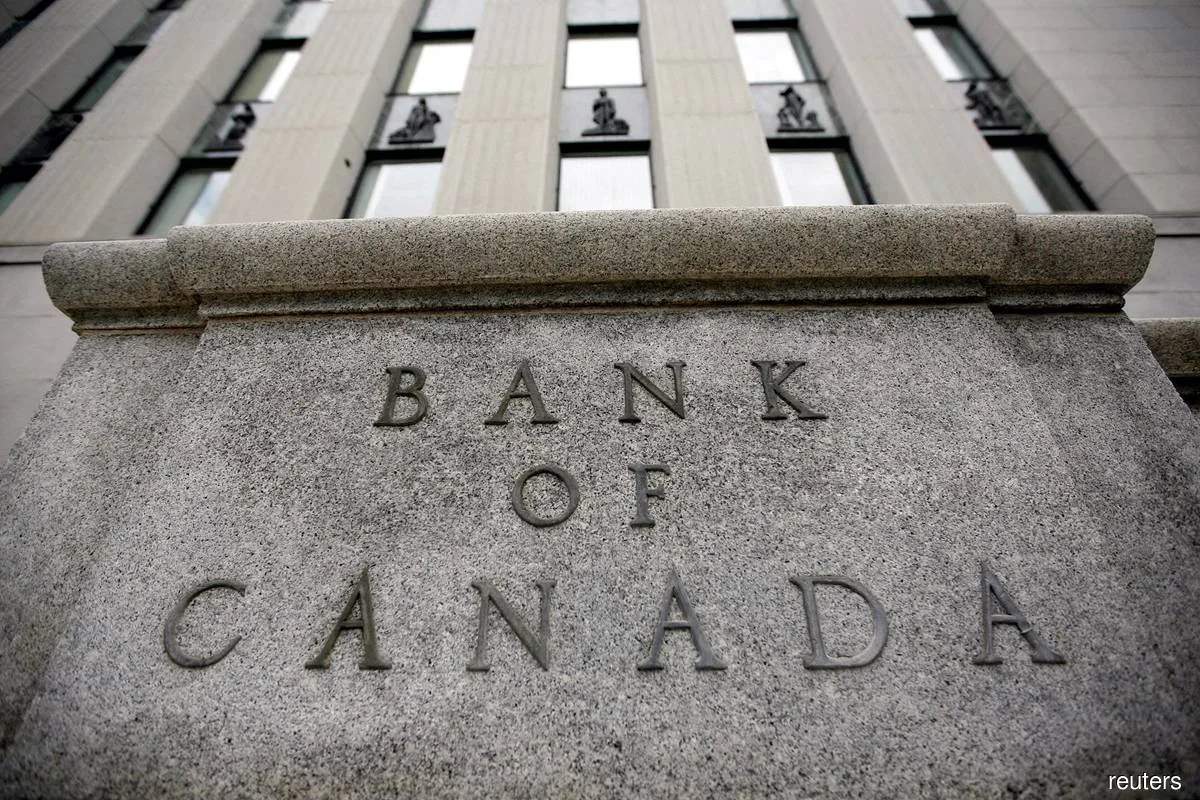
The Bank of Canada decided on June 10 to hold its key policy interest rate steady at 2.25% for the fifth consecutive meeting [1, 2, 3, 4]. Governor Tiff Macklem said the bank is balancing risks between fighting inflation and supporting economic growth. "For now, holding the policy rate unchanged balances those risks," he stated [1].
Canada’s inflation rate rose to 2.8% in April 2026, with expectations that it will hover near 3% in the near term before easing gradually toward the 2% target [1, 3, 4]. The bank noted limited evidence so far that higher energy prices caused by the Middle East conflict are broadly pushing up consumer prices. "So far there has been limited evidence of broad-based pass-through of higher energy prices to other consumer prices," the Bank said [1].
However, the price of oil has increased about $10 per barrel above the assumption used in the bank’s April monetary policy report [3, 4]. The central bank warned that if the conflict persists and higher energy prices feed into broader inflation, monetary policy may require consecutive rate hikes. "If the Middle East conflict continues and higher energy prices lead to more generalized inflation, monetary policy may need to do more, including possible consecutive rate increases," the bank said [3].
Canada’s economy contracted at an annualized rate of 0.1% in the first quarter of 2026, after a 1% shrinkage in the last quarter of 2025. A slow recovery is expected in the second quarter [3, 4]. Macklem acknowledged the challenge of balancing policy risks: "Raising interest rates to curb inflation could further weaken the economy, while easing rates to support growth increases the risk of persistently higher inflation" [3].
The Canadian dollar strengthened to around C$1.3903 per US dollar following the announcement [1]. The bank also noted that significant new US trade restrictions could depress growth and might force rate cuts [3, 4].
Monetary policy remains flexible amid the elevated uncertainty, with the bank ready to adjust rates as needed to keep inflation in check, Macklem said [3, 4]. The next policy decision is scheduled for July, when the bank will reassess economic conditions and inflation trends.