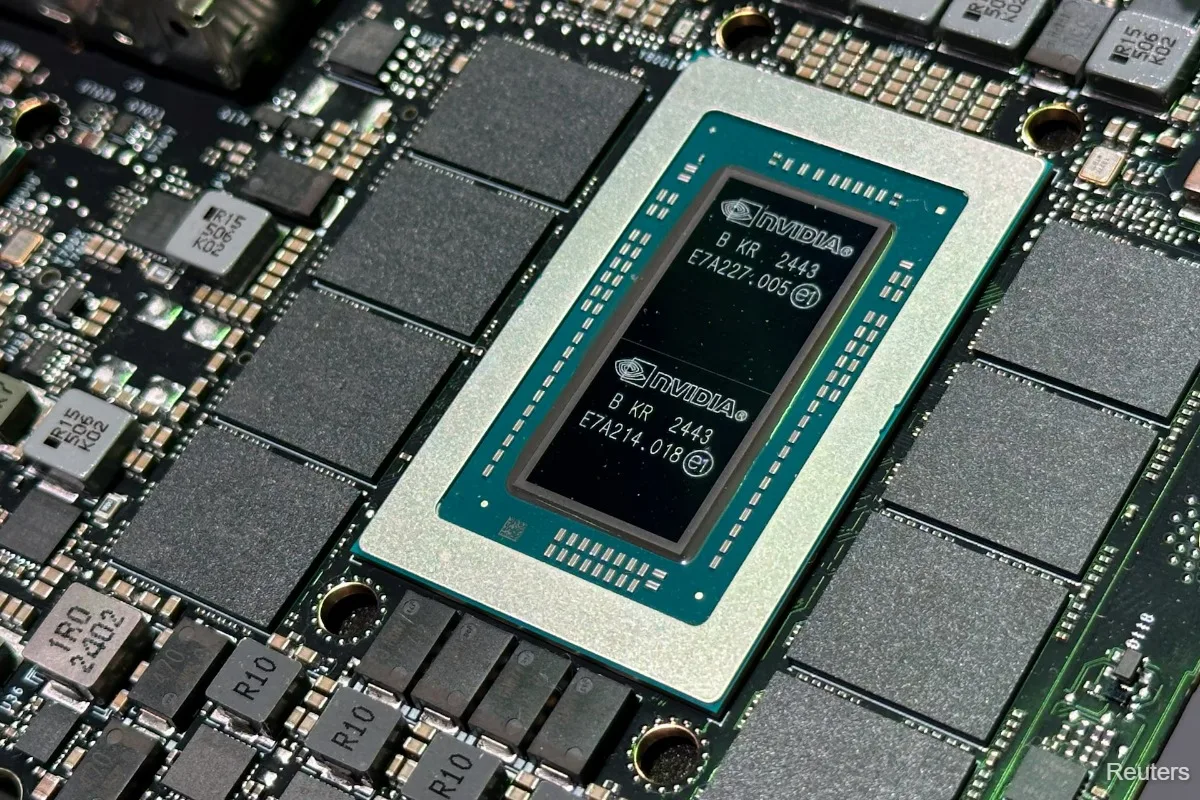
The US Department of Commerce on May 31, 2026 closed a loophole that allowed advanced Nvidia AI chips, including Blackwell and Rubin processors, and AMD's MI350x chips, to be exported to subsidiaries of Chinese companies located outside China, such as in Malaysia [1, 2, 3, 4, 5]. The loophole formed after the Commerce Department under the Trump administration stopped enforcing the AI Diffusion rule in May 2025, a rule issued late in the Biden administration to control global access to sensitive AI chips [2, 3, 5].
The Bureau of Industry and Security (BIS), part of the Commerce Department, clarified that export license requirements for advanced chips now apply to entities headquartered in China even if they operate outside the country [2, 3, 5]. A BIS spokesperson said, "BIS issued guidance clarifying export licence requirements that have been in place since 2023. BIS will continue to enforce export controls rigorously to safeguard critical American technology" [2].
US efforts focus on preventing Chinese AI companies from acquiring advanced semiconductors crucial to their AI capabilities [1, 2, 3, 4, 5]. An industry source estimated that hundreds of thousands of advanced AI chips may have been exported through this loophole in the past year [1, 2, 3]. Chris McGuire, a former State Department official, called the problem "HUGE," adding that Chinese companies have been buying these chips "very likely at scale" [2].
Nvidia confirmed that the new guidance does not affect its operations, as it already requires licenses to ship chips to Chinese entities. A spokesperson said, "The guidance reaffirms that NVIDIA’s sales and vetting process is correct – consistent with our existing approach, licences are required to ship controlled products to PRC headquartered companies" [2, 3, 5].
At least seven Chinese universities with ties to the military and defense industry, including two blacklisted by the US—Beihang University and Northwestern Polytechnical University—are actively seeking access to Nvidia’s latest H200 AI chips [6, 7, 8, 9]. These universities belong to China’s "Seven Sons of National Defence" group and play key roles in national cybersecurity and military technology development [6, 7, 8, 9].
More than 25 Chinese institutions linked to the military have sought or used older Nvidia AI chips dating back to 2011, and six of these are on the US blacklist for national security reasons [6, 7, 8]. Chinese authorities have barred domestic AI companies from buying Nvidia’s H200 chips, partly to protect domestic chip industry growth [6, 7, 8]. No evidence of wrongdoing or large-scale violations of US export controls by the Chinese universities has been found so far [6, 7, 8].
The new Commerce Department guidance closes a critical export control gap that existed since May 2025 and aims to restrict advanced AI chip access by sensitive Chinese entities worldwide [1, 2, 3, 4, 5].