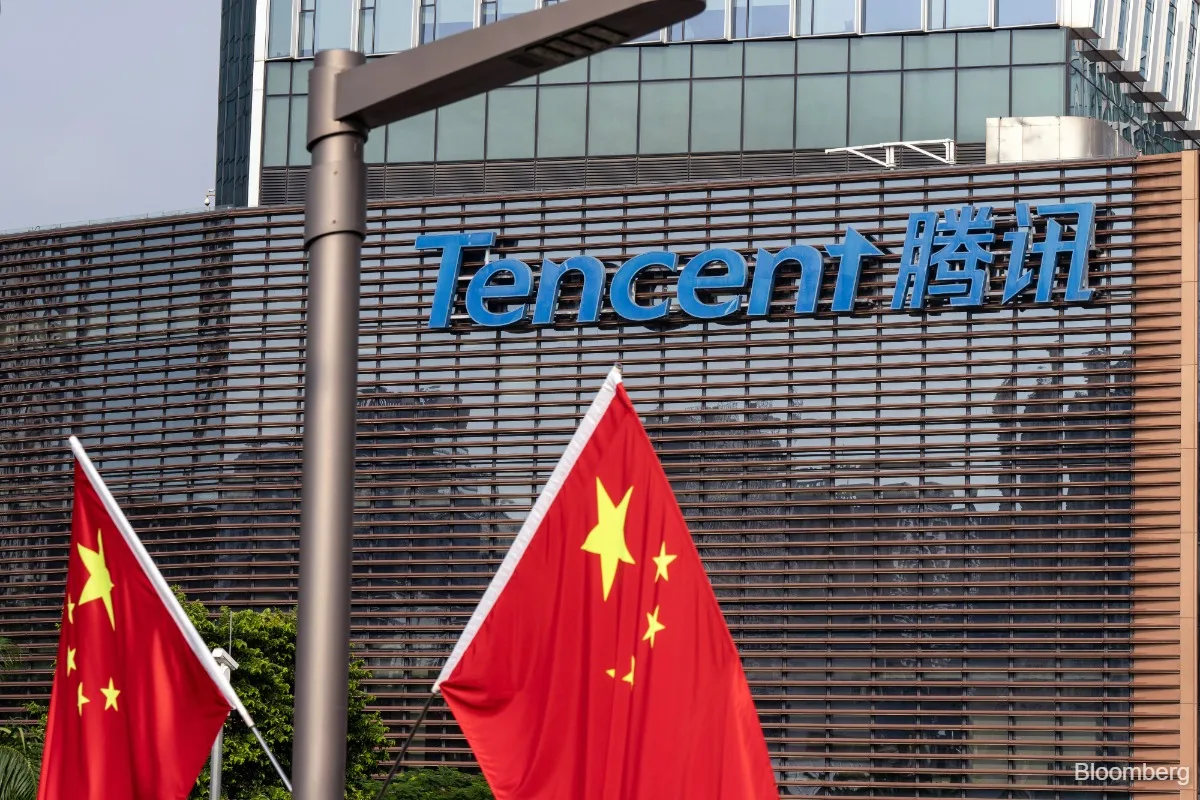
Tencent reported first-quarter revenue of 196.5 billion yuan ($28.9 billion), up 9% from a year earlier and short of analyst estimates, as investors pressed the company on when its AI spending will pay off. [1, 2, 3, 4, 5]
The company said its core businesses, especially games and advertising, were showing signs of age or slower growth. It also said the later timing of the Lunar New Year holiday in 2026 affected domestic gaming sales recognition and helped push revenue below forecasts. [1, 2, 3, 4]
Tencent said it is still investing in AI across applications, agents and foundational models. Chief Executive Pony Ma Huateng said, "We started 2026 by making significant initial progress on our new AI products, as well as continuing to utilise AI to grow our existing core businesses." He also said, "Our core businesses continued to grow their engagement, revenue and profit, providing the cash flow to fund our AI investments, as well as use cases for future AI deployment." [3, 5]
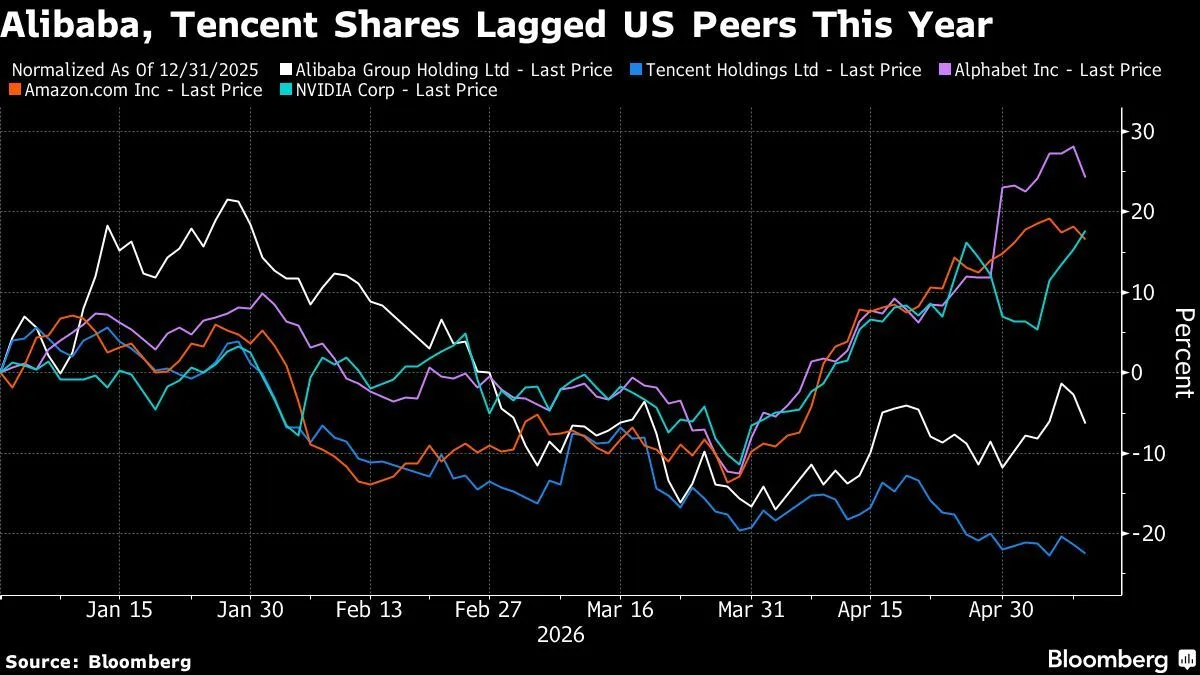
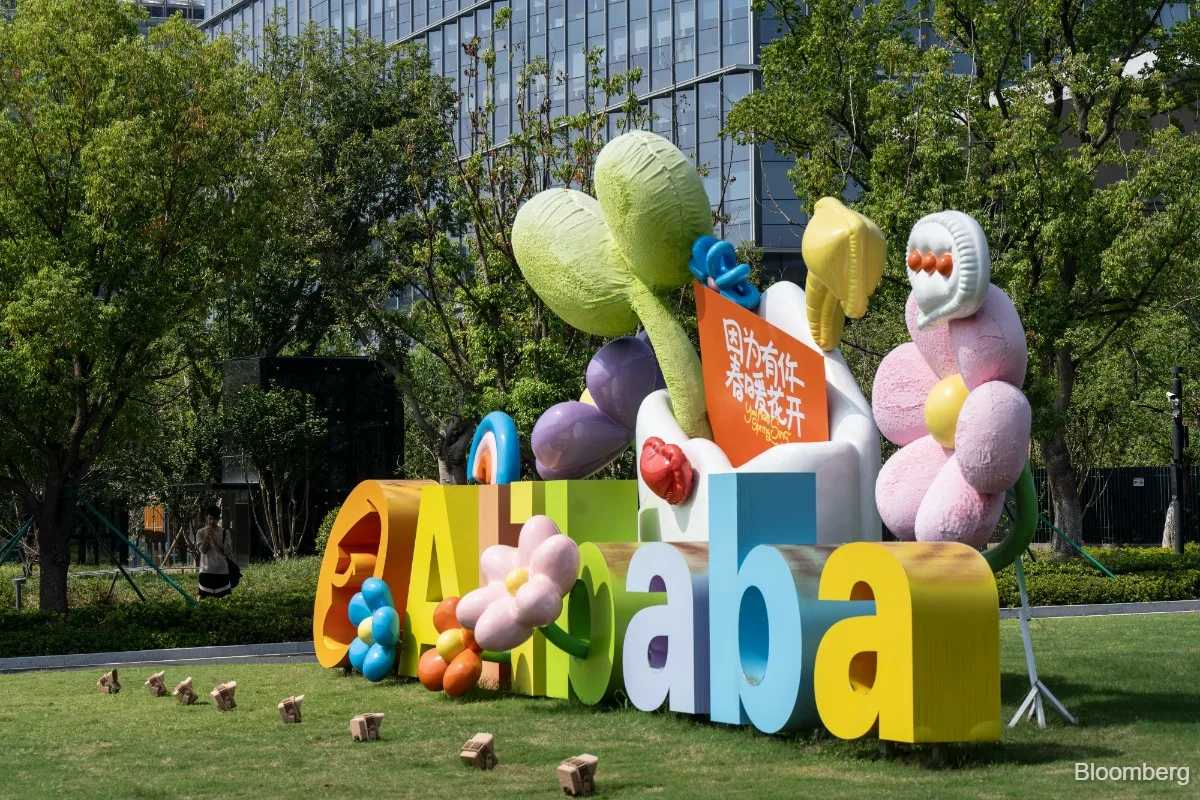
The results came as Chinese investors demand proof that heavy AI spending can deliver profits. Tencent and Alibaba are both under pressure, with investors comparing them unfavorably with US hyperscalers that have deeper cloud and AI integration. One portfolio manager at Allspring Global Investments said Alibaba and Tencent are facing a "show me the profits" moment as investors now want clear monetization, not just AI ambition. [6, 2, 4]
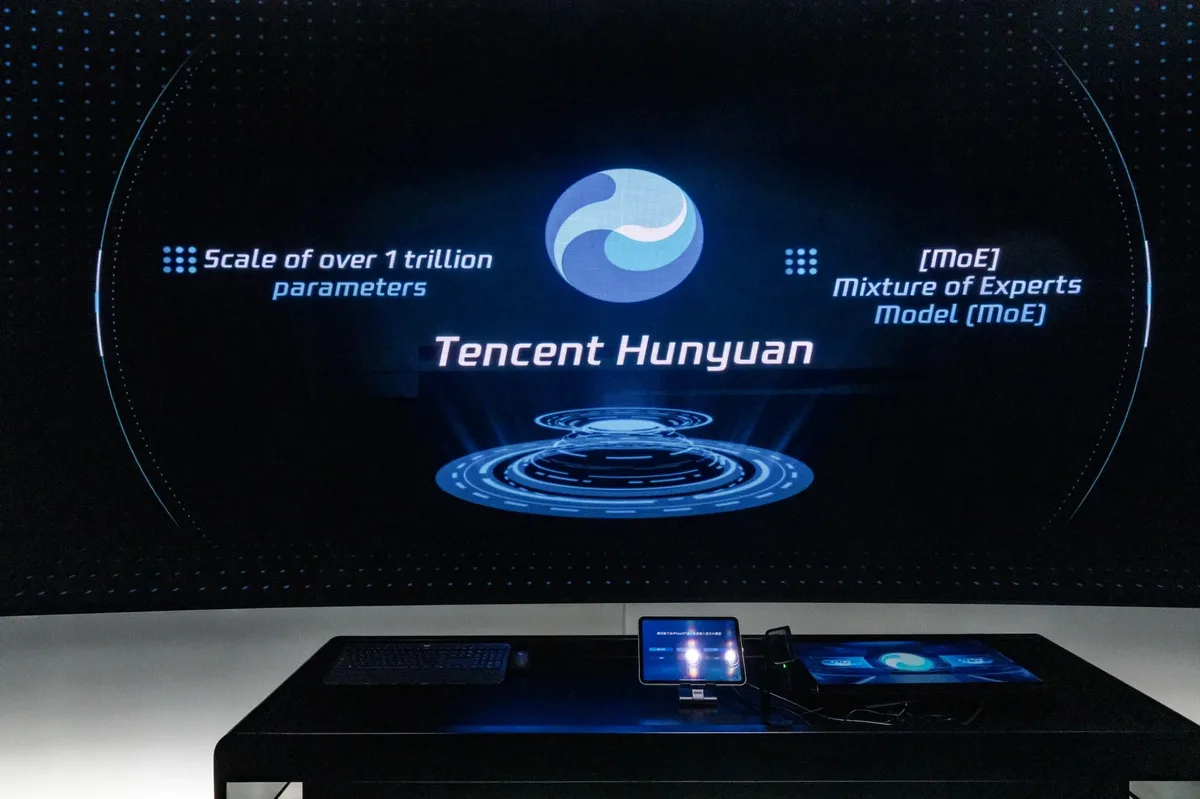
Tencent's market value has fallen about $160 billion, or 23%, this year, according to the reports. The company also said in April that it had upgraded its foundation model, Hunyuan, after restructuring its AI operations, and it plans to at least double AI investment to more than 36 billion yuan in 2026. [2, 4]
Tencent reported domestic video game sales of 45.4 billion yuan, up 6%, and overseas video game sales of 18.8 billion yuan, up 13%. Analysts will keep watching whether those businesses can offset the drag from slower domestic growth and help fund the company's AI push. [3]