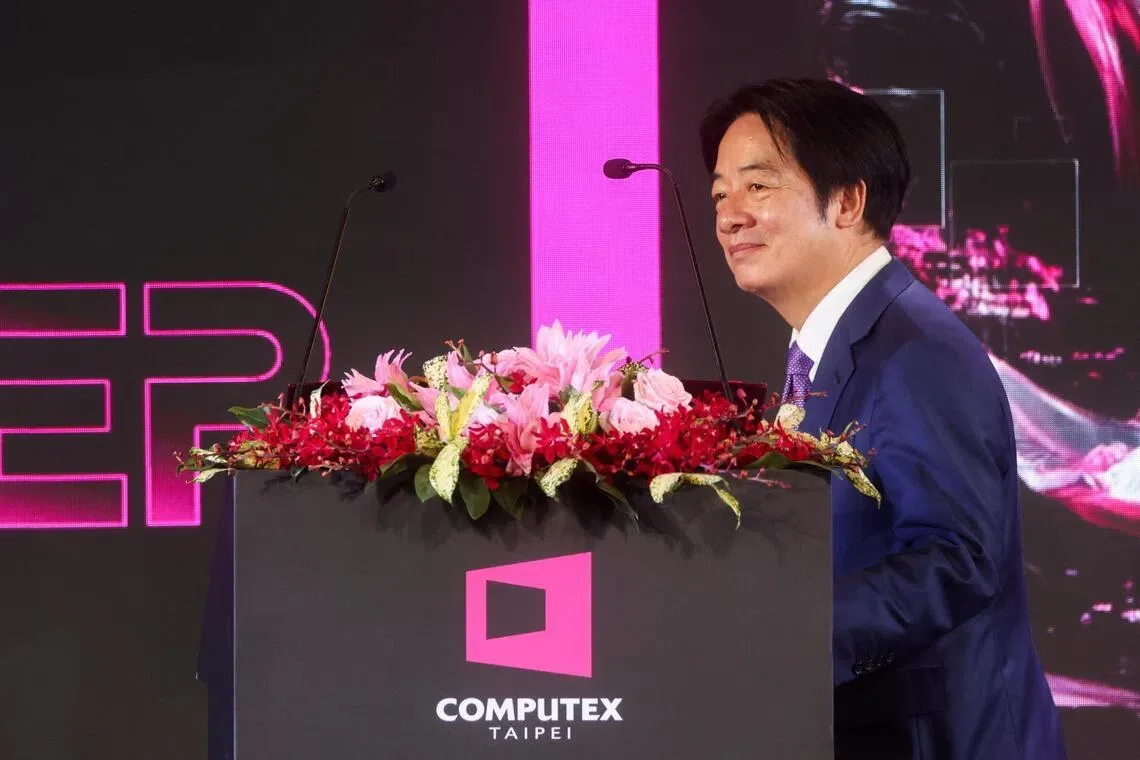
Taiwan President Lai Ching-te told the Computex opening on June 2 that keeping the political status quo is essential to securing global supply chains, particularly for AI technology, amid growing worldwide demand [1, 2, 3]. He said, "As the world’s need for AI grows, so too does its need for a Taiwan that is stable, trustworthy, and capable of shouldering responsibility. The government will firmly safeguard peace and stability across the Taiwan Strait and is committed to maintaining the status quo" [1].
Taiwan hosts TSMC, the world’s largest contract chipmaker, which plays a critical role in the AI supply chain for companies like Nvidia and Apple [1, 2, 3, 4, 5, 6]. Nvidia CEO Jensen Huang recently called Taiwan "the epicenter of the ecosystem," praising its leadership in technology manufacturing [1]. Nvidia announced plans last week to invest about US$150 billion annually in Taiwan and expand its local workforce from 1,000 to as many as 4,000 by 2030 at its new Taiwan headquarters [1, 2, 3].
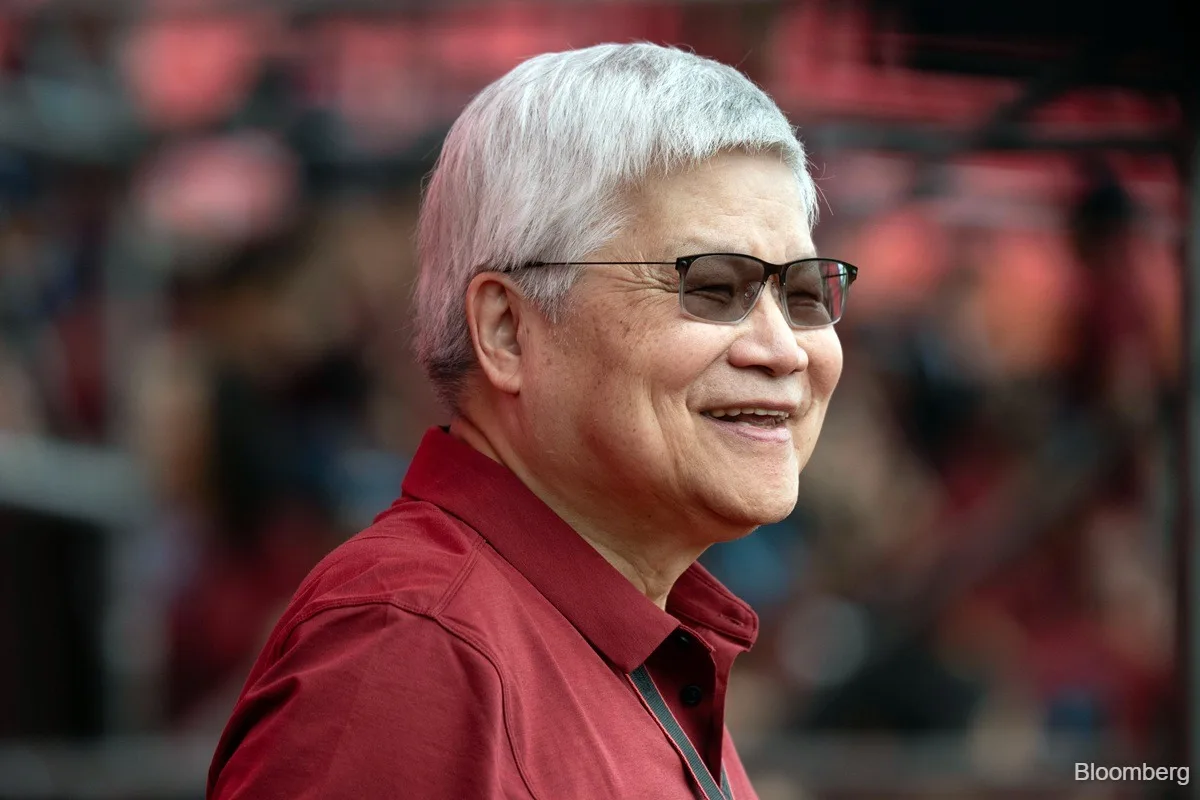
At TSMC’s annual shareholders meeting in Hsinchu on June 4, CEO C.C. Wei warned that global chip supply will fail to keep pace with AI-driven demand for years despite capacity expansion efforts including new factories in the US [7, 4, 5, 6]. Wei said, "Customer demand is so high, and we can only support so much. We are doing our best to ensure TSMC does not become a bottleneck," adding, "It will be a long time before we can meet customer demand" [4, 6].
TSMC forecasts sales growth exceeding 30% in 2026 [7, 4, 5]. The company plans to boost staff bonuses by more than 30% to share profits from the AI boom [4]. Despite pressure to raise prices amid tight supply, TSMC aims to avoid abrupt chip price hikes to maintain business stability [5, 6]. Its capital expenditure could reach up to US$56 billion [4].
China continues to assert sovereignty claims over Taiwan and frequently operates military assets around the island, claims Taiwan rejects [1, 2, 3]. Maintaining peace remains a top priority for Taipei.
TSMC’s leadership mineralizes that even with US factory expansions, production will be unable to meet immediate American customer demand fully [5, 6]. Nvidia’s massive investment signals confidence in Taiwan’s manufacturing base as a global AI chip hub [1, 2, 3]. The next major milestone will be TSMC’s continued rollout of new fabs across Taiwan and the US as it aims to scale capacity against surging AI semiconductor demand.