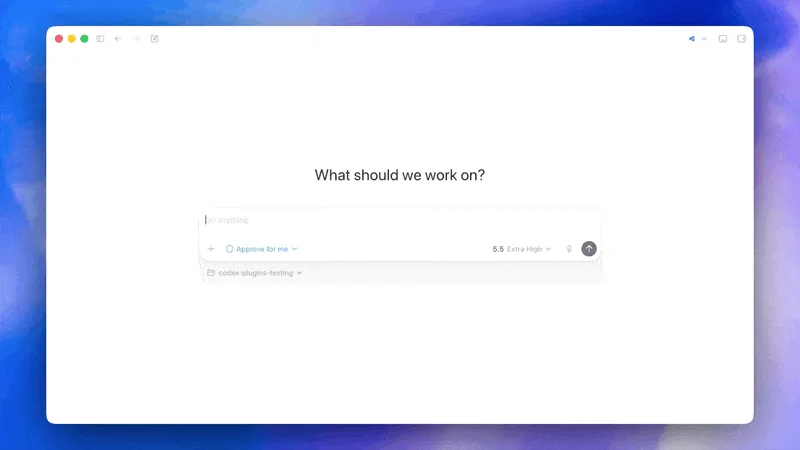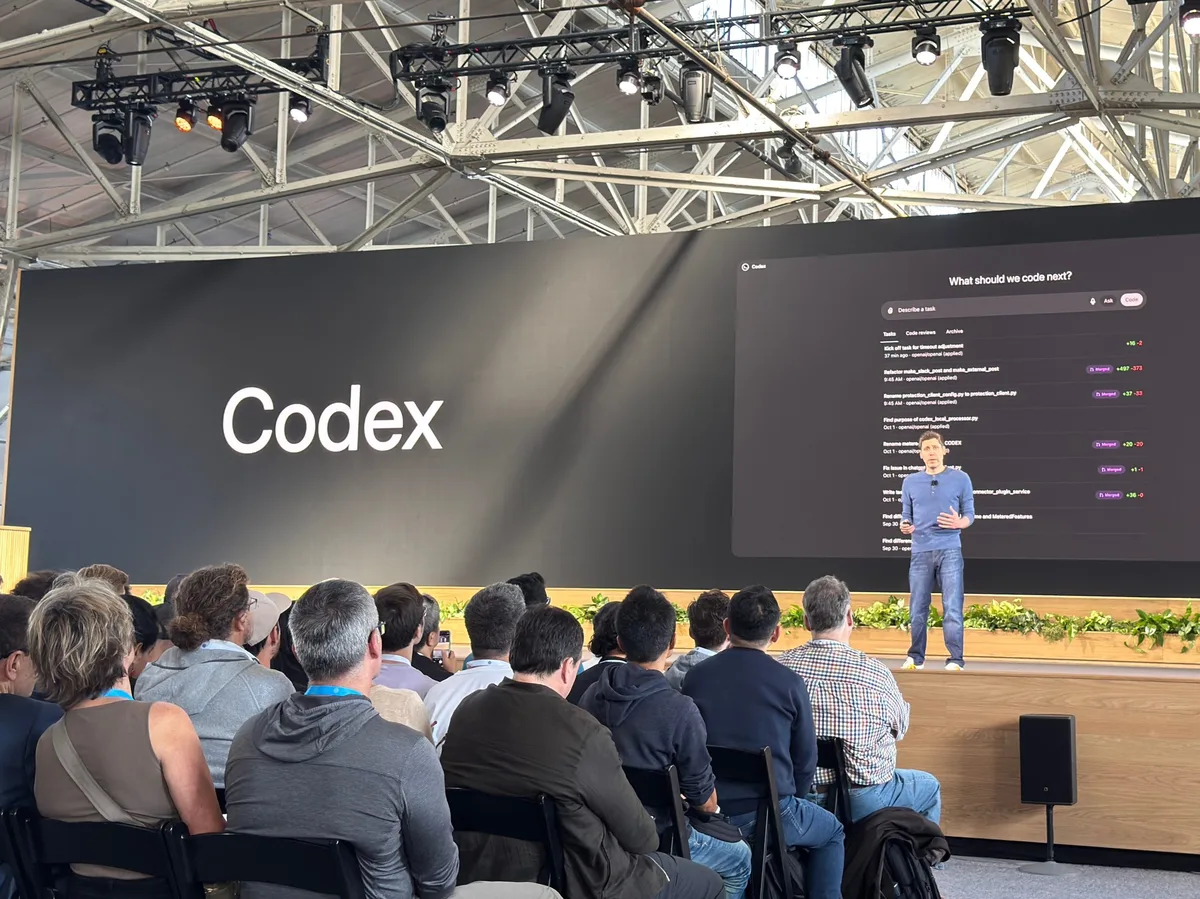
OpenAI unveiled new capabilities for its Codex AI tool on June 2, 2026, aimed at expanding use among knowledge workers and enterprise users in the US and beyond [1, 2].
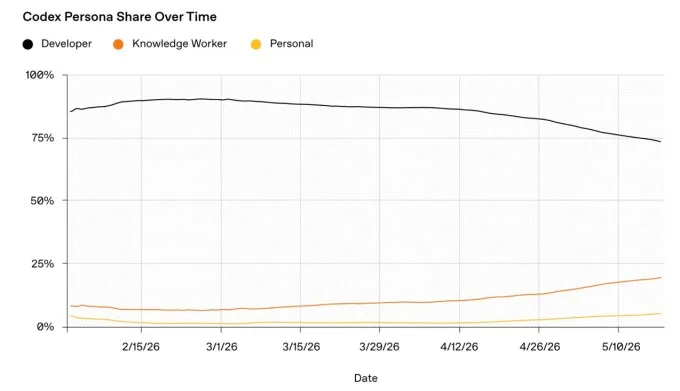
Weekly active users of Codex have surged to over 5 million, a more than sixfold increase since February 2026 when the desktop app launched [1, 2]. About 20% of these users are knowledge workers, whose numbers are growing more than three times faster than developer users [1, 2]. OpenAI said, "AI is becoming capable of doing increasingly meaningful work inside organizations" [1].
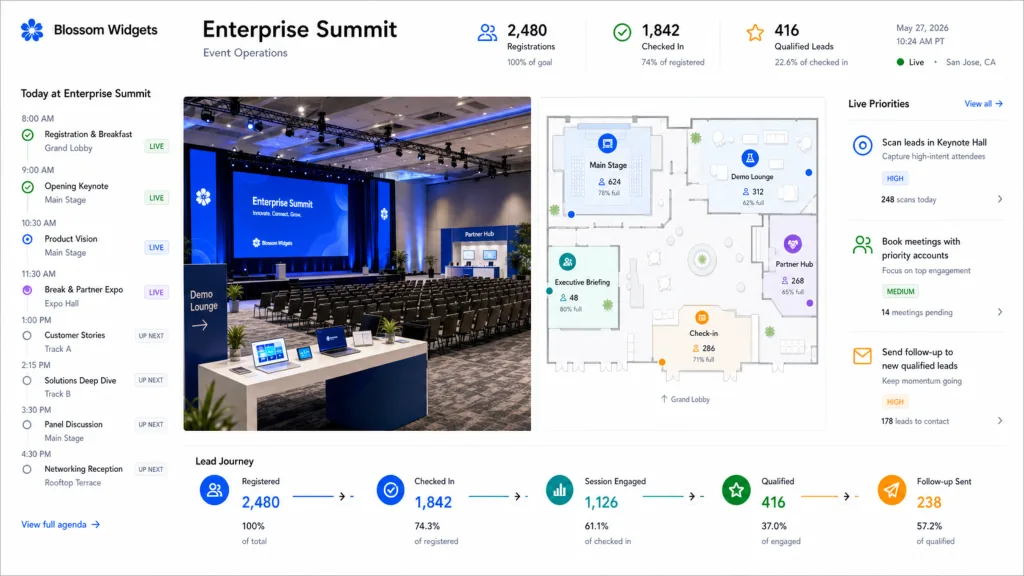
The company released six new plug-ins designed for sectors such as data analytics, creative production, sales, product design, equity investing, and investment banking [1, 2]. Alongside these, OpenAI introduced a Sites feature that lets Codex users create interactive hosted websites to share work within teams. OpenAI described the Sites as a way for "teams to create sites that fit the work" instead of adapting to the limits of single tools or files [2].
To enhance Sites, OpenAI partnered with platforms including Wix, Base44, Replit, Lovable, Figma, and Emergent [1, 2]. Annotations, a new feature, enables users to select specific parts of documents or files for Codex to interact with or modify [1, 2].
On May 29, 2026, OpenAI updated the Windows version of Codex (v26.527) with Computer Use capability, allowing the AI to control Windows desktop apps by manipulating their graphical interfaces directly [3]. This expands Codex’s role from code editing to operating desktop workflows, GUI testing, and remote task monitoring on Windows devices [3]. The update also lets users remotely control Windows machines running Codex from ChatGPT mobile apps or Macs [3]. To support this, OpenAI addressed sandbox and security challenges unique to Windows [3]. The Windows app is available via Microsoft Store or winget command line [3]. However, Computer Use requires target apps be in the foreground; background operation like on macOS is not supported [3].
Additionally, OpenAI launched the OpenAI Deployment Company, a joint venture backed by more than $4 billion to integrate AI tools into businesses globally [1].
OpenAI plans to continue expanding Codex’s capabilities to better serve enterprise workflows and knowledge workers, building on rapid user growth and latest feature releases [1, 2, 3].