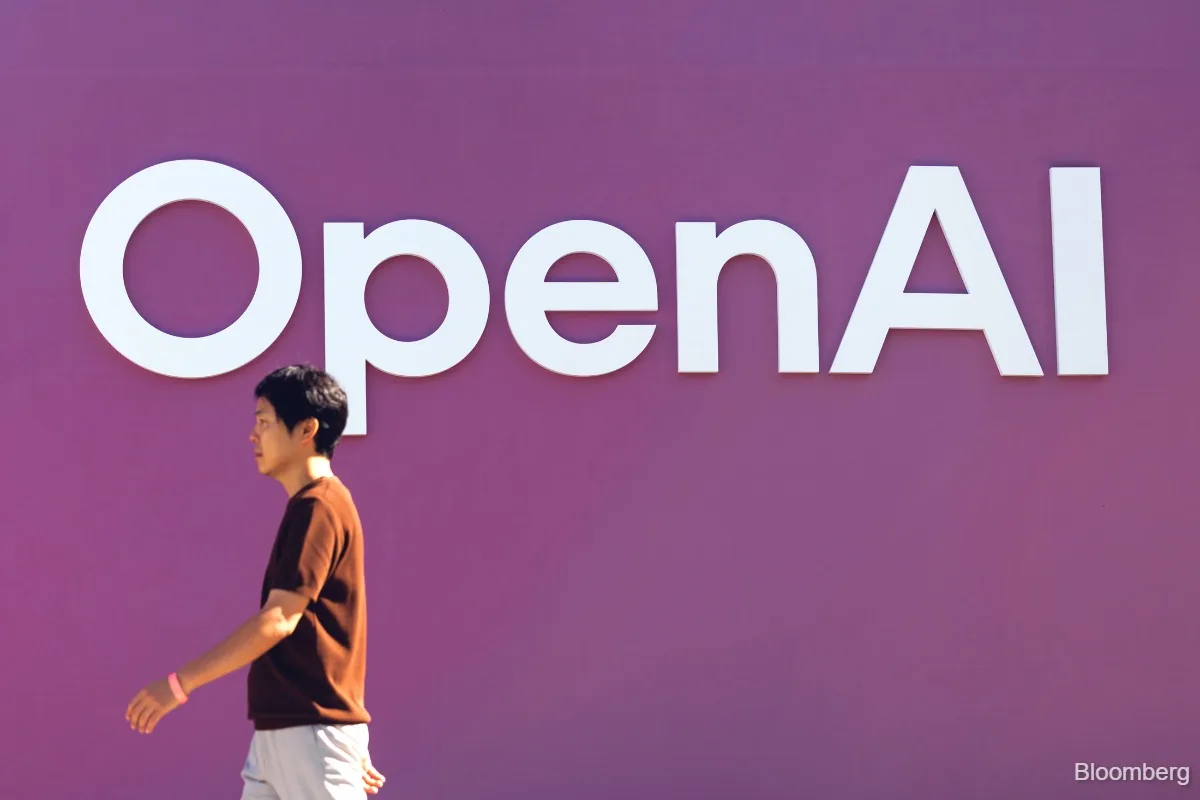
OpenAI’s global affairs vice president Chris Lehane announced on May 13 that the company supports creating a global AI governance agency led by the United States and including China. He compared the proposed body to the International Atomic Energy Agency, which sets global safety standards and includes China to prevent weapons proliferation [1, 2, 3].
Lehane said, "AI, in some level, transcends a lot of the prevailing or traditional trade type of issues. There is an opportunity to really start to build something up globally, and have countries around the world, including China, potentially participate." He added, "We have the opportunity to use our lead in AI technology to build a safer, more resilient system globally" [1, 2].
The proposal came just hours before U.S. President Donald Trump began a May 13-14 state visit to Beijing for talks with Chinese President Xi Jinping. The summit included discussions on AI governance and bilateral issues, marking Trump’s first China visit in nine years [1, 2, 4, 5].
The Trump administration’s acceptance of China’s inclusion in such global AI governance remains uncertain. White House officials have previously expressed opposition to global AI regulation involving China. Internally, there is disagreement within the U.S. government over which agency should lead AI model evaluation. Intelligence agencies want more authority, challenging the Commerce Department, which currently leads the AI standards center [1, 2, 6, 7, 8, 3].
OpenAI suggested linking the U.S. Commerce Department’s AI standards center with international AI safety research institutes worldwide [1, 2, 3]. Meanwhile, the Trump administration is preparing an AI cybersecurity executive order. It is expected to emphasize voluntary pre-deployment reviews of AI systems rather than compulsory regulation [2, 9].
U.S. House Intelligence Committee member Jim Himes stressed the importance of early access to advanced AI models for national security. He said, "If the intelligence services don’t get early access to cutting-edge AI models, that would be extraordinarily unwise" [7].
Trump’s China delegation includes senior officials and business leaders. Nvidia CEO Jensen Huang joined the delegation at the last minute, although some sources dispute whether he was officially invited. Elon Musk was also reportedly part of the group despite tensions with Trump [1, 2, 9, 6, 5].
The U.S. and China may be opening official AI dialogue channels, led on the American side by Treasury Secretary Scott Bessent [4]. Experts note the U.S. focuses on cutting-edge innovation in AI, while China emphasizes deep integration of AI into its economy and society. China’s AI development relies heavily on adopting Western models through intermediaries due to gaps in domestic technology [10, 5].
As of May 2026, 43 U.S. states have formal AI governance frameworks addressing innovation and risk management [11].