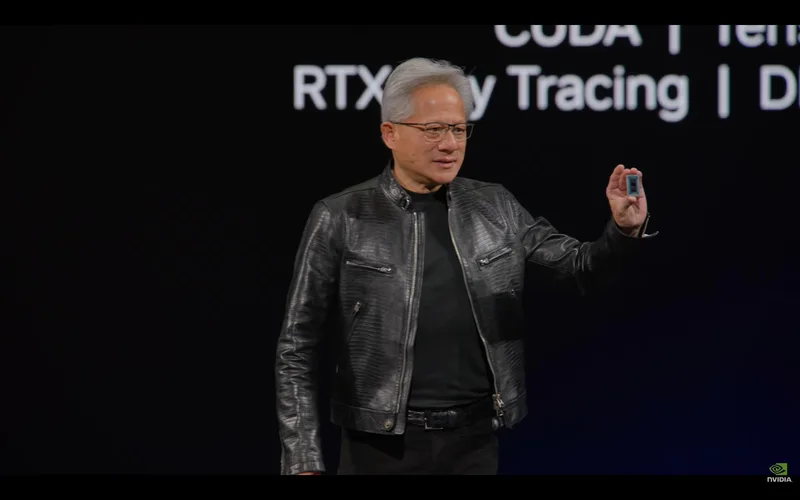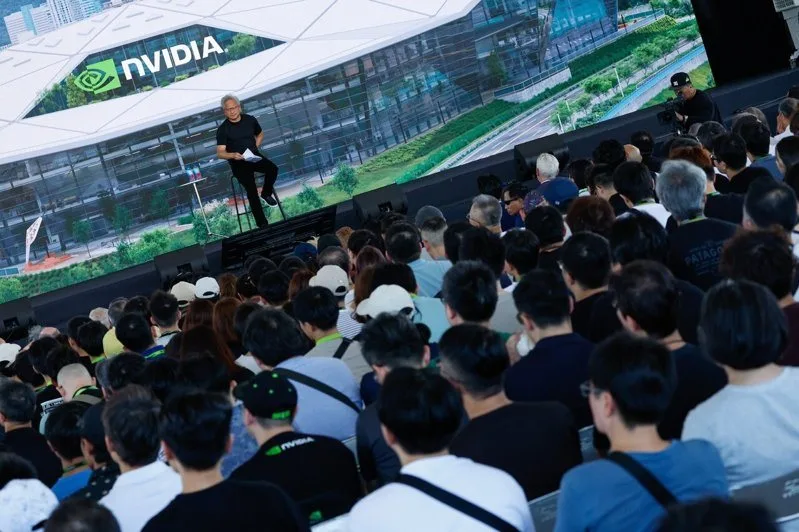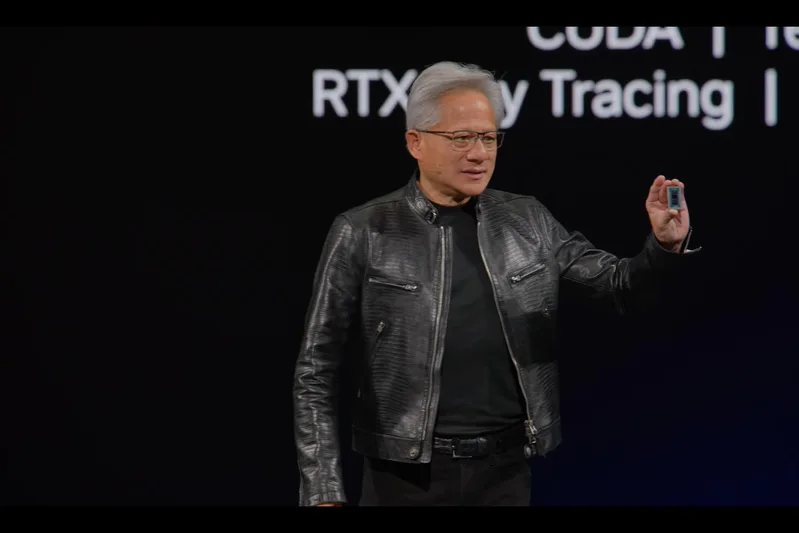
Nvidia unveiled the N1X chip, its first self-developed Arm architecture processor for Windows PCs, at its CEO Jensen Huang’s keynote during Taipei Computex on June 1, 2026 [1, 2, 3]. The N1X processor is co-developed with MediaTek and made by TSMC using its 3-nanometer manufacturing process mainly in Taiwan [2, 3].
The chip integrates a 20-core heterogeneous Arm CPU architecture combining 10 high-performance Cortex-X9 cores and 10 efficiency Cortex-A7 cores [3]. It pairs this with a Blackwell GPU featuring 6,144 CUDA cores and supports up to 128GB of LPDDR5X unified memory with 301 GB/s bandwidth [4, 3]. Nvidia said the GPU performance roughly matches an RTX 5070 discrete laptop GPU, targeting flagship gaming and creative workloads [4].
Designed to accelerate AI workloads, the N1X delivers 180-200 TOPS of AI compute power and supports Microsoft’s Copilot+ AI PC standards to enable local running of large AI models and offline AI tasks [4, 5, 3]. Nvidia CEO Jensen Huang said the new PC product line would "reinvent the PC" and allow personalized AI to run locally on Windows devices. He described the change as "the first complete redesign of PCs in 40 years" comparable to the smartphone revolution [2, 4]. Huang also said, "RTX Spark laptops' major feature is the ability to run AI agents locally, radically changing user experience" [6].
The N1X chip powers the Nvidia RTX Spark platform integrating the CPU and GPU, which will debut in more than 30 laptop models and over 10 desktop models this fall [4]. OEMs partnering include Microsoft Surface, Dell, HP, Asus, Lenovo, MSI, and Samsung [6, 5]. Initial RTX Spark laptops will target higher-end segments with models as thin as 14 mm, with plans for expansion to more price points later [4].
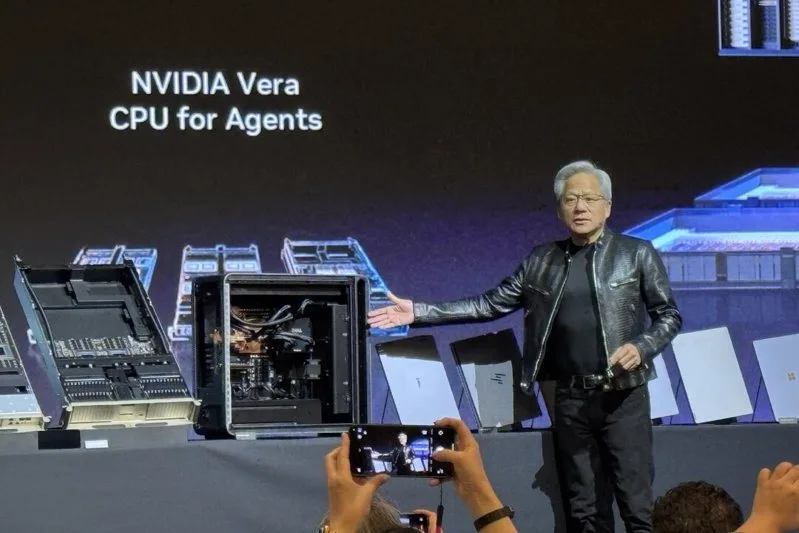
Microsoft plans to launch new software to run AI Agents locally alongside this hardware [7, 8]. Nvidia aims to challenge Intel and AMD’s x86 dominance by leveraging Arm architecture and AI compute [1, 9]. Huang described the current PC market as a "zero-dollar market" primed for AI Agent growth over the long term, emphasizing Vera CPU’s design focus on generating tokens for AI agents rather than traditional CPU usage [5].
Nvidia and Windows official accounts teased the announcement days before the keynote by posting hints pointing to Taipei Computex on May 28 [3]. The first RTX Spark products with the N1X chip are scheduled to launch in fall 2026 [6, 4].