The Intergovernmental Panel on Climate Change (IPCC) is pressing ahead with its climate work, concentrating on adaptation and carbon dioxide removal as global temperatures approach critical thresholds [1].
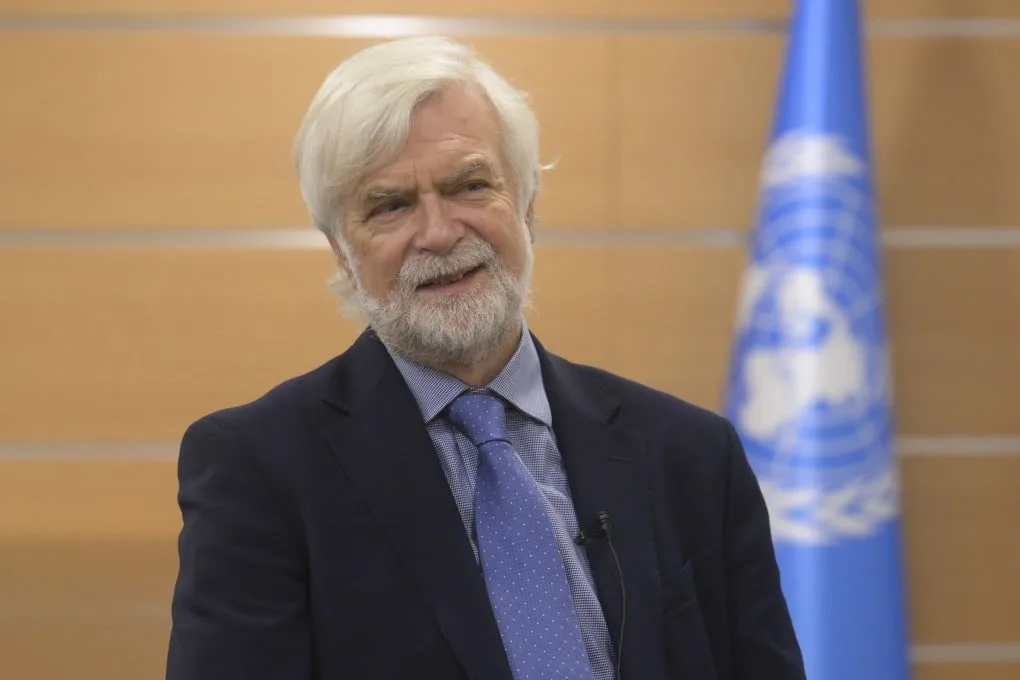
Jim Skea, chair of the IPCC, said the UN body typically sees attendance from 110 to 120 of its 195 member countries at meetings. However, Skea noted that the United States has not been attending recent sessions. “So the US has not been there. It’s one country, more or less,” he said last week on the sidelines of the Regional Ecological Summit in Kazakhstan [1].
Despite the absence of the US, Skea affirmed the meetings "are still working, and we are still making progress" in the global effort to address climate change [1].
Skea also highlighted the role of Chinese companies in the global renewable energy market. “Chinese companies are also selling their technologies on the international market,” he said, noting the wide reach of China's clean energy exports with implications beyond its borders [1].
The IPCC remains a crucial international platform for coordinating climate science and policy among its 195 member nations. Its focus on adaptation and carbon removal reflects the urgent need to prepare for and mitigate ongoing climate changes.
The body’s next activities and meetings will continue despite challenges posed by major absences, including the United States. This ongoing work aims to shape global strategies as climate risks grow more acute.
Skea’s comments last week underscored the IPCC’s commitment to advancing climate solutions amid shifting geopolitical participation [1].