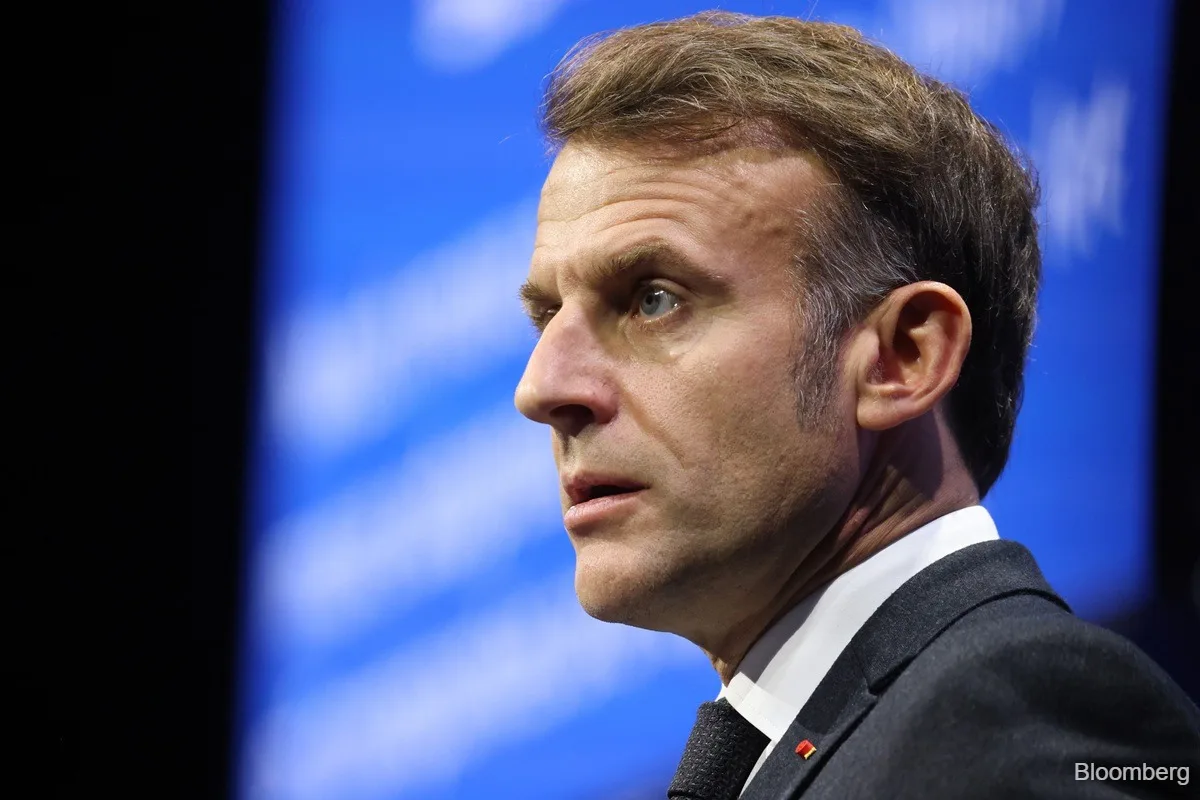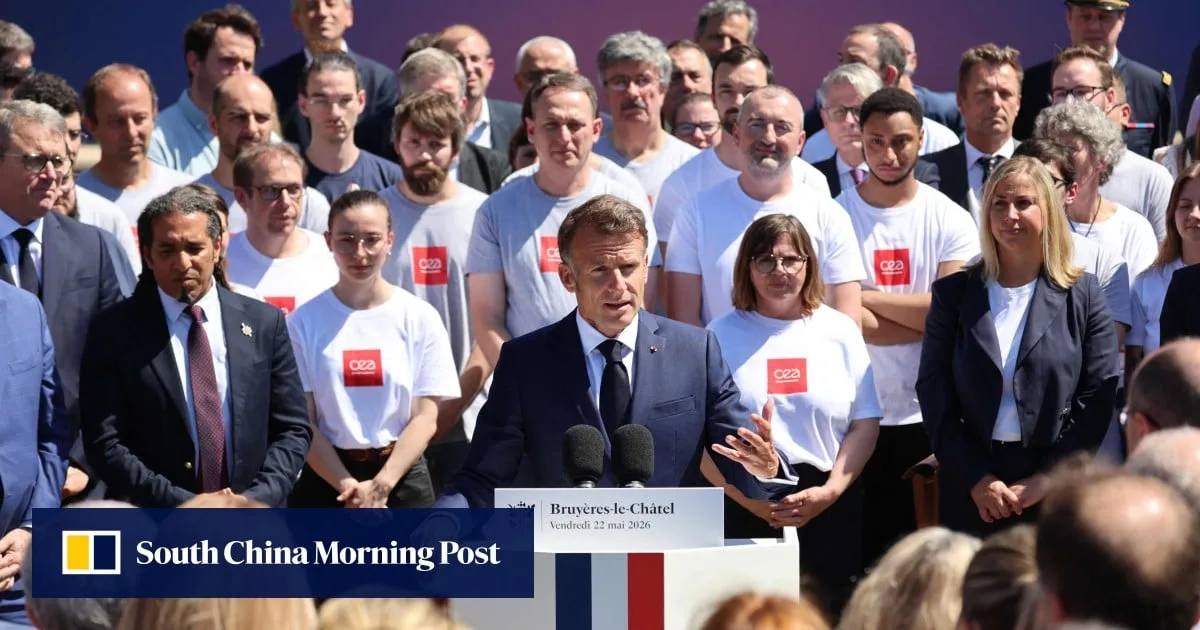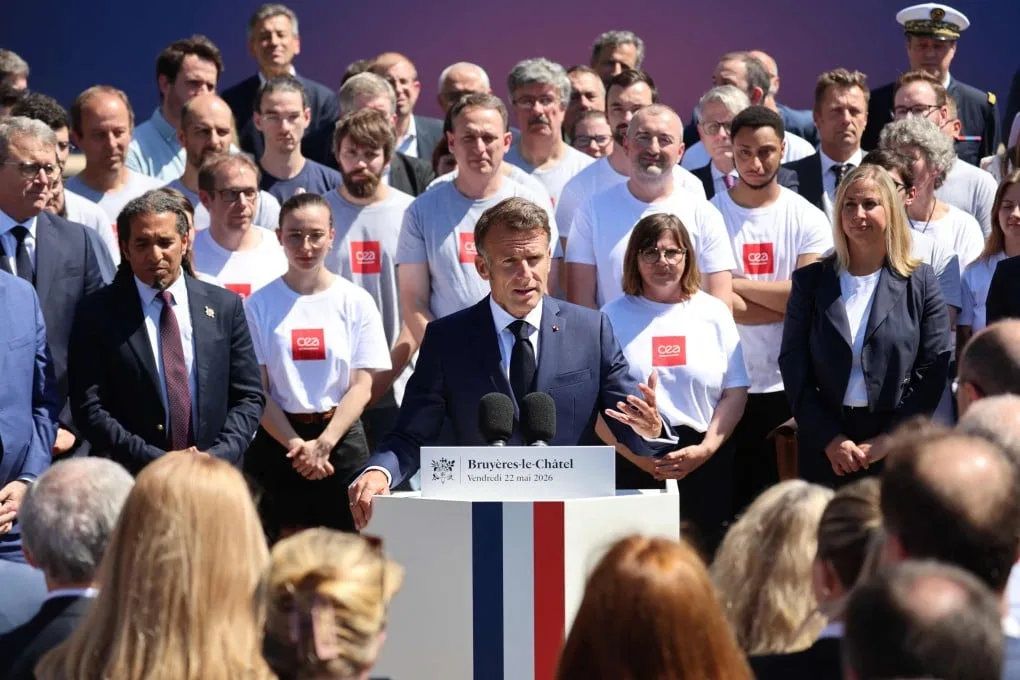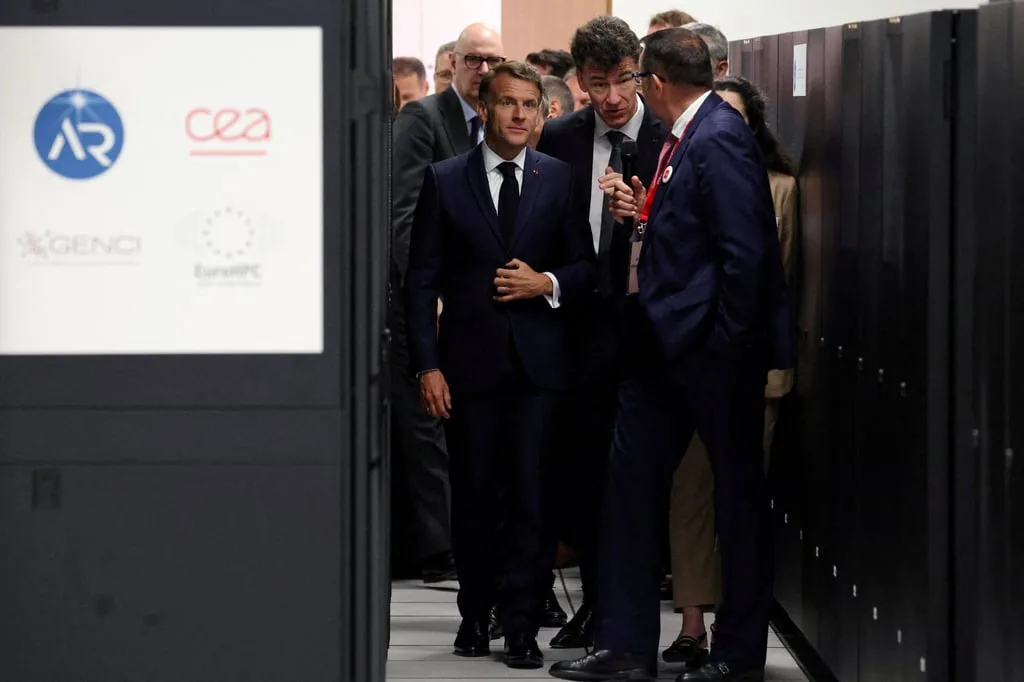
French President Emmanuel Macron unveiled a €1.5 billion investment to boost quantum computing and advanced microchip production as part of the France 2030 plan on May 22, 2026 [1, 2, 3]. The funding splits into €1 billion dedicated to quantum technologies and €550 million for the microelectronics sector specialized in advanced chips [1, 2, 3].
Macron said the investment aims to accelerate the development of universal quantum computers and the industrialization of chips to position France as a global competitor against the US and China [1, 2, 3]. He stressed the need for stronger European collaboration and boosted public and private investments across fields including quantum computing, semiconductors, supercomputing, cloud, and artificial intelligence [2, 3].
Among the recipients of the new funding is Paris-based quantum computing firm Alice & Bob, which works on error-resistant quantum hardware [1, 4]. Its CEO Theau Peronnin described the funding surge as "massive," driven by the growing economic importance of computing infrastructure [1, 4]. Macron expressed confidence, stating, "I’ll say it out loud. We have the means to be the winners of this race" [4].
The France 2030 quantum program aims to have two French-designed universal quantum computer prototypes industrialized by 2032 [1]. This follows a prior €1.8 billion investment France allocated for quantum computing in 2021 [2, 3].
The announcement came a day after the US government revealed a $2 billion investment in quantum computing firms across nine companies, intensifying global competition in the sector [1, 4, 2, 3].
France plans to submit an extended electronics industry strategy lasting to 2035 by July 2026 [2, 3]. The new funding signals an acceleration in French efforts to expand its quantum and microelectronics capabilities amid heightened international investment.