China has expanded overseas travel restrictions to top artificial intelligence professionals working at private companies such as Alibaba and DeepSeek, requiring them to obtain government approval before traveling abroad, according to multiple reports from May 26 and 27, 2026 [1, 2, 3, 4, 5].
The restrictions target AI talents involved in advanced work deemed strategically important, including startup founders, executives, and researchers working in private firms [1, 6, 7, 8]. This marks the first time China has applied such widespread travel controls outside state-owned enterprises and select government researchers, a step previously limited to nuclear scientists and prominent state executives [1, 6, 3].
The measures aim to safeguard China’s AI technology and talent pool amid growing competition with the United States in the AI sector [1, 2, 7]. The policy reflects concerns over technology leakage, rather than reactions to specific incidents, and signals Beijing’s intent to retain AI expertise within its borders [3, 8].
The policy’s impact could affect recruiting and retention. Some AI firms worry about losing talent or suffering from government overreach [1, 3, 9]. For example, some engineers have been asked to report overseas travel plans though formal approvals are not always required [3, 8].
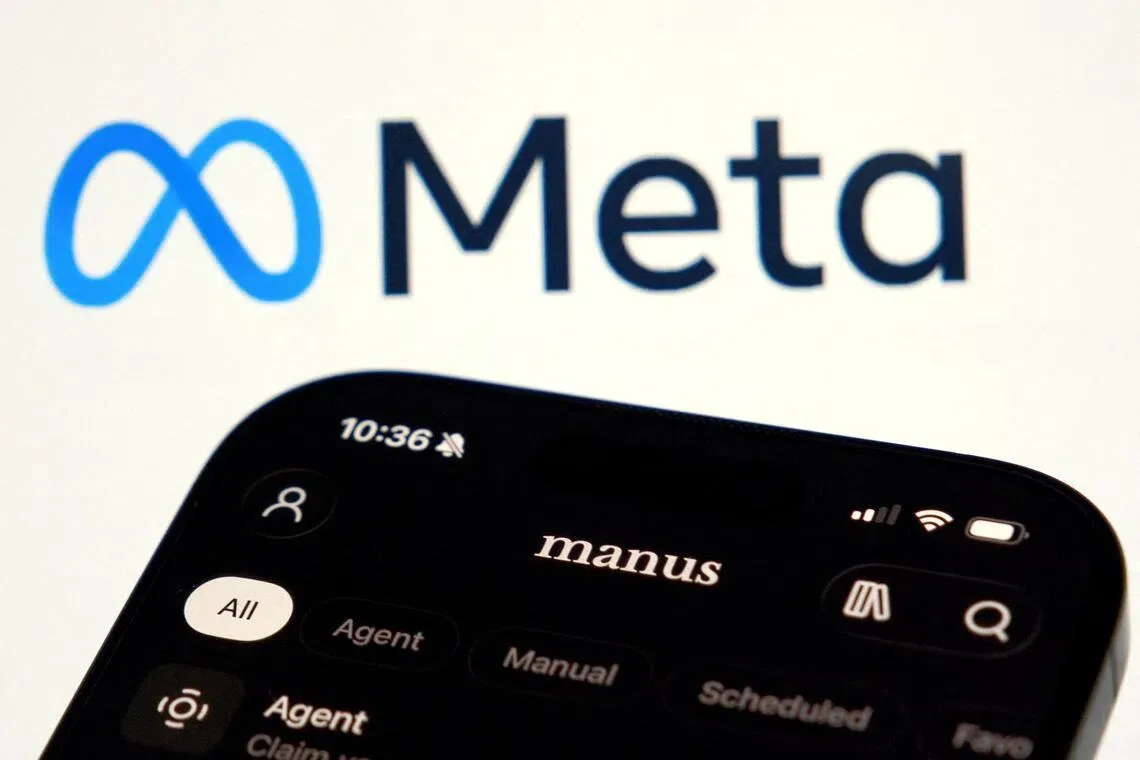
In a related move, China’s investment security review office blocked Meta Platforms’ US$2 billion acquisition of Manus AI startup following Manus’ relocation to Singapore, demanding the deal be unwound amid fears of technology and talent loss [1, 6, 9]. Two Manus co-founders have also been barred from leaving China during the investigation [1, 8].
Additionally, China plans to maintain tight government control over US foreign investment in top AI companies, enforcing approvals before accepting outside capital [5]. To bolster domestic AI chip production amid US export restrictions, China recently included AI training and inference chips in its secure technology assessment system [10].
Chinese tech companies are aggressively recruiting AI graduates from abroad, particularly Singapore, offering record salaries between 3 and 5 million yuan annually for top PhD candidates [11].
Earlier in 2025, authorities advised AI founders and researchers to avoid US travel, foreshadowing this broader travel clampdown [5]. The restrictions intensified notably in late April and May 2026 alongside controls over foreign investment and tech acquisitions [8, 4].