A report says an energy crisis triggered by the war in Iran has shifted the narrative around China’s data centre market toward its strengths as power becomes more central to AI infrastructure. [1]
The report says electricity has become even more critical to data centres globally because energy is the foundation of AI infrastructure. Earlier this year, Nvidia CEO Jensen Huang said AI was a "five-layer cake" and that "energy is the first principle of AI infrastructure and the binding constraint on how much intelligence the system can produce." [1]
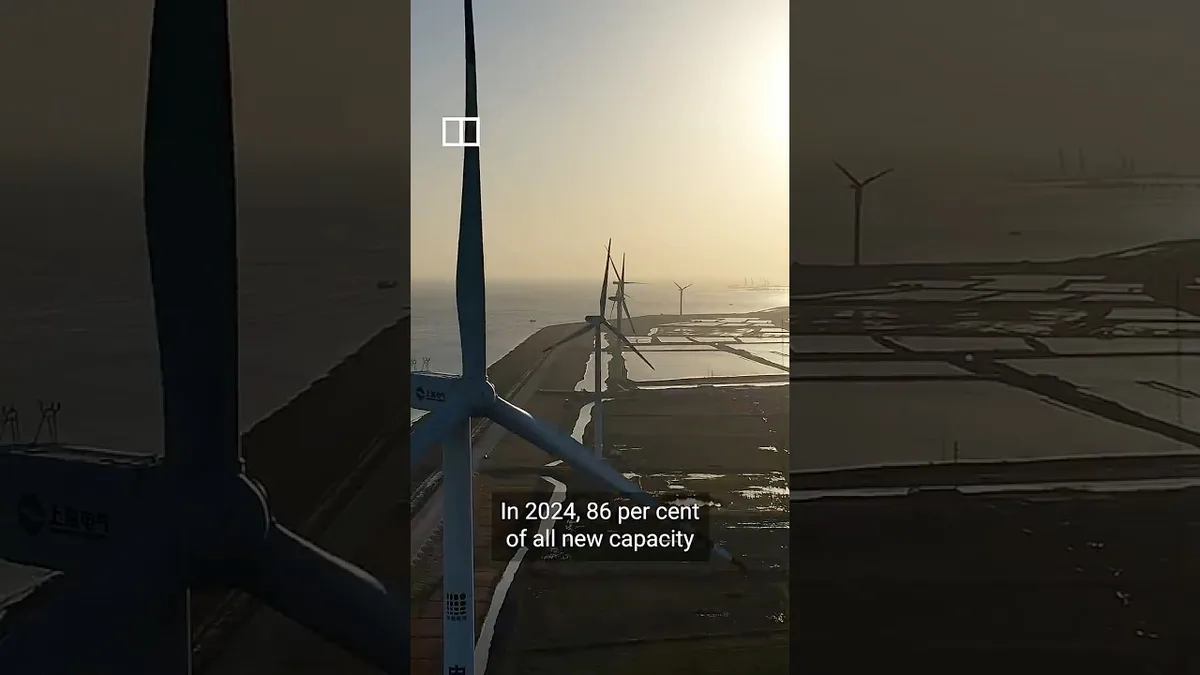
China’s relative resilience to the shock has drawn fresh attention to its abundant and cheap electricity, the report says. It cites Nomura as saying China’s power sector "is almost self-sufficient on primary sources: it uses almost no natural gas and oil and relies heavily on coal, which is mainly mined in China." The report adds that the sector has made rapid progress in incorporating renewable energy and remains heavily regulated. [1]
The article frames the issue as part of the broader US-China battle for technological supremacy and the buildout of data centres. It says a "DeepSeek moment" in January last year changed perceptions of China’s AI ambitions, while Morgan Stanley said in July that access to advanced chips was the "biggest risk" to China’s data centre and AI growth engine. [1]
The report also points to the scale of the market. It says global AI-related capital spending could reach US$1.2 trillion over the next five years, and China is forecast to account for 27% of global AI investment by 2030. [1]
Nomura published the report cited by the article on April 2, and the piece says the power advantage has pulled China’s data centre market back into the spotlight as AI demand rises. [1]