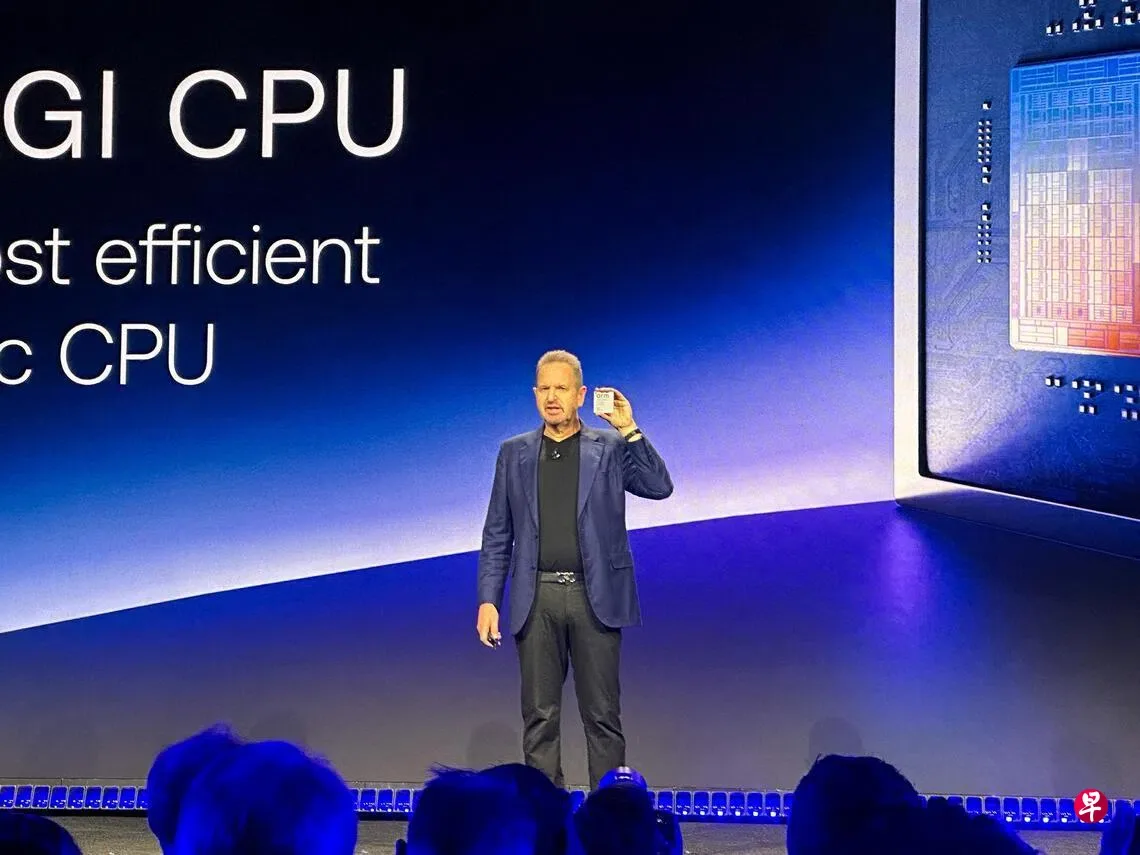
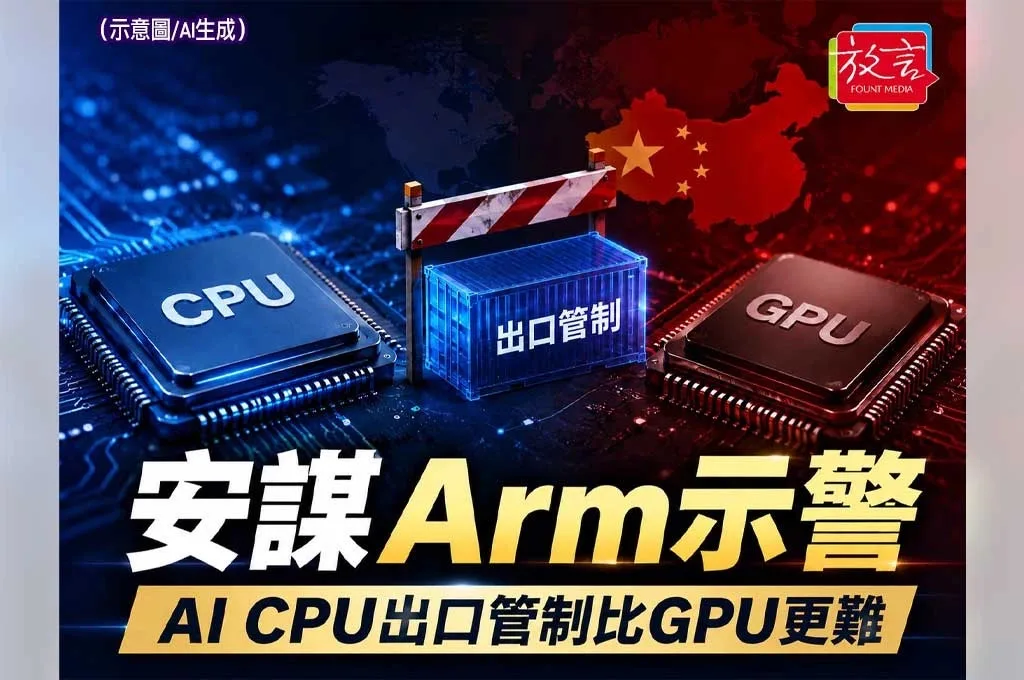
Arm CEO Rene Haas said on June 1 that it is nearly impossible to ban the export of CPUs suitable for AI applications to China because CPUs serve broad purposes and cannot be easily singled out for export restrictions. "Banning AI CPUs would be nearly impossible because of the challenge of establishing specific performance thresholds and memory bandwidth limits," he told Reuters at the Computex trade show in Taipei [1, 2, 3]. Haas likened CPUs to "oil" in their indispensable role across many applications and said, "They would have to limit everything" to enforce such a ban effectively [1, 2].
The comments come shortly after the US Department of Commerce rolled out stricter export controls on May 31 targeting advanced AI chips sent to Chinese entities, including subsidiaries abroad [1]. The restrictions have already affected companies like Nvidia and AMD, which now face licensing requirements to ship advanced AI GPUs to China [1, 2]. Nvidia CEO Jensen Huang noted that while GPUs can be regulated using specific performance and memory thresholds, CPUs lack such clear-cut parameters [3].
CPU demand for AI tasks, including inference and AI agents, has surged in recent months, driving Arm to announce new customers for its AGI CPU model. These include China's ByteDance and the US firm Oracle, underscoring strong expected demand growth for this product [2]. Arm projects generating $15 billion annually from this CPU over the next five years, with guidance pointing to $2 billion in demand during fiscal years 2027-2028 [2].
To secure the supply of wafers for these high-demand AI chips, Arm CEO Rene Haas recently met with TSMC's CEO, reflecting the critical role of Taiwanese foundries in the AI chip supply chain [2]. Taiwan is a vital hub for AI hardware, hosting companies like TSMC, Foxconn, Quanta, and Wistron that produce AI servers and components [4]. The tightening US export controls will increasingly affect these Taiwanese suppliers, necessitating stronger compliance and end-use verification [4].
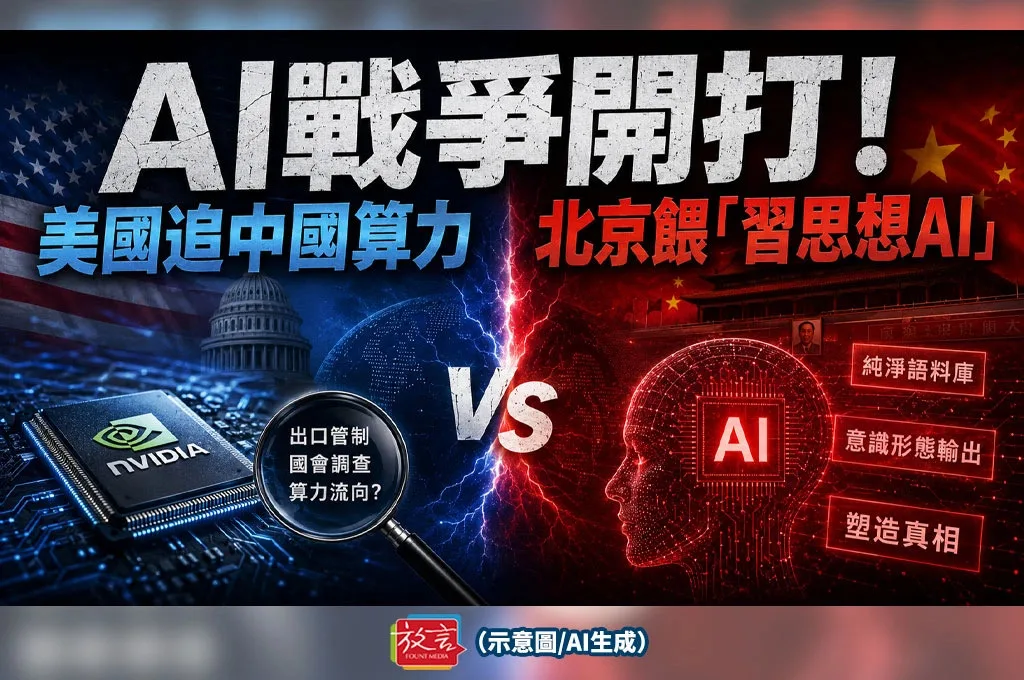
The US-China AI conflict centers on Washington's efforts to curb China's military and surveillance capabilities by restricting AI chip and compute exports. Meanwhile, China is using AI to promote state ideology globally, investing over 1.1 billion RMB in developing "Xinhua Yudian," an AI model that spreads Xi Jinping Thought, according to Chinese state media [4].
Arm's CEO emphasized the enforcement challenges posed by CPUs' extensive applications, contrasting with the more measurable parameters for GPUs. This complexity complicates US attempts to restrict AI CPU exports despite newly imposed controls [1, 2, 3].