Apple revealed updates to its accessibility tools powered by Apple Intelligence on May 19, shortly before Global Accessibility Awareness Day on May 21, 2026 [1, 2, 3, 4]. The new features include advanced VoiceOver, Magnifier, Voice Control, and Accessibility Reader enhancements designed to improve access and usability for people with disabilities [1, 2, 3, 4, 5].
Among the highlights, Vision Pro users will be able to operate compatible power wheelchairs using eye-tracking technology. This feature will initially support the Tolt and LUCI wheelchair systems, connecting through Bluetooth or wired setups, and will launch in the U.S. later this year [2, 5].
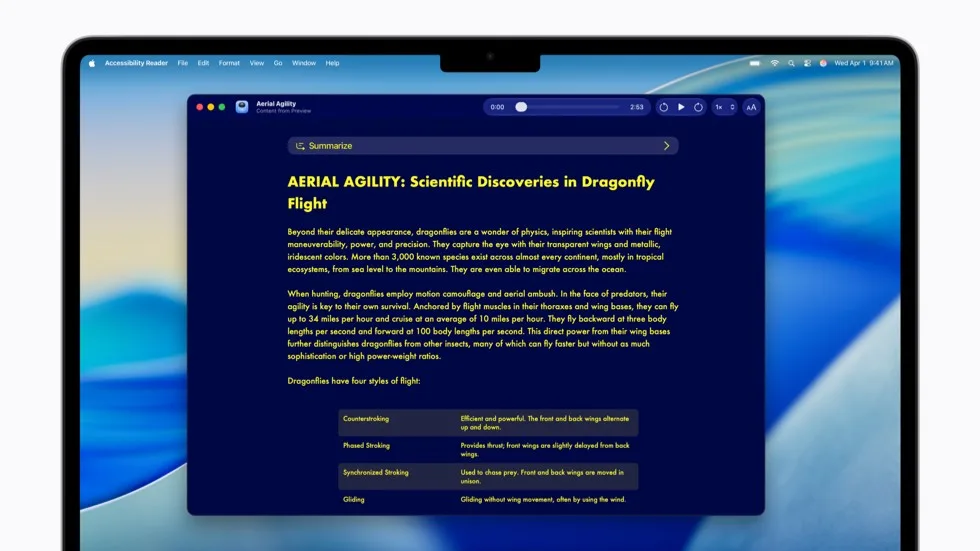
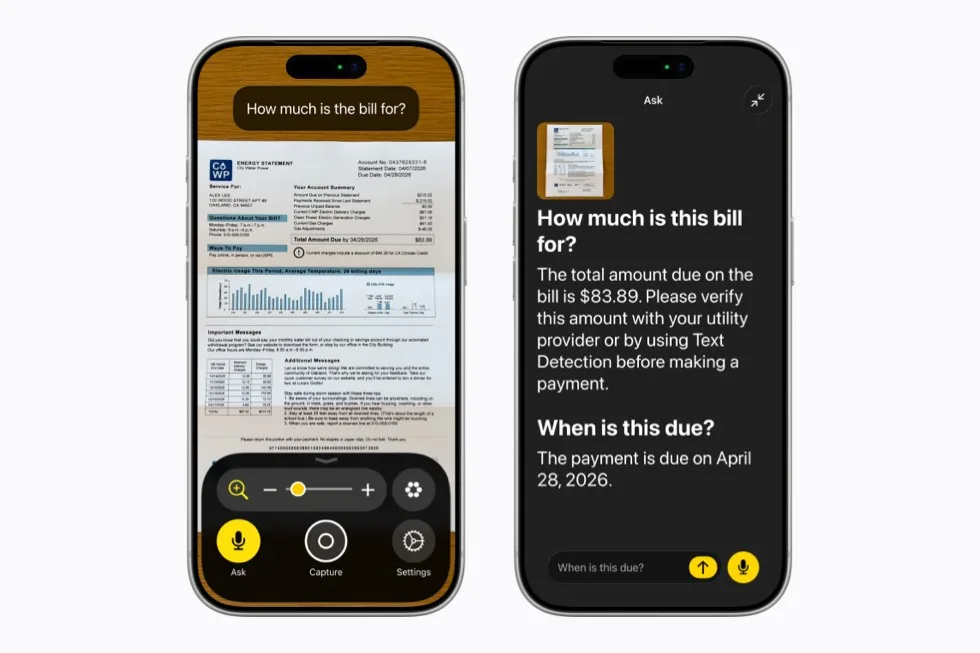
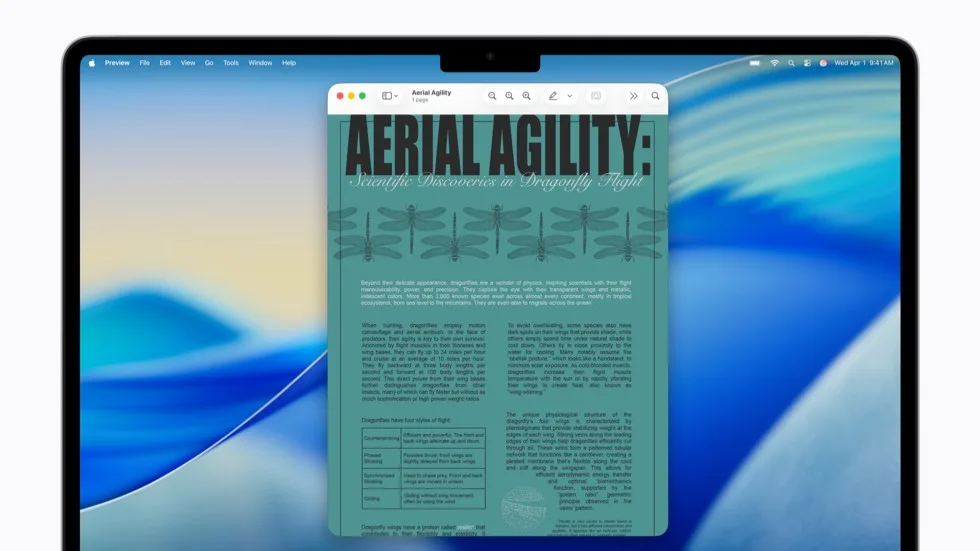
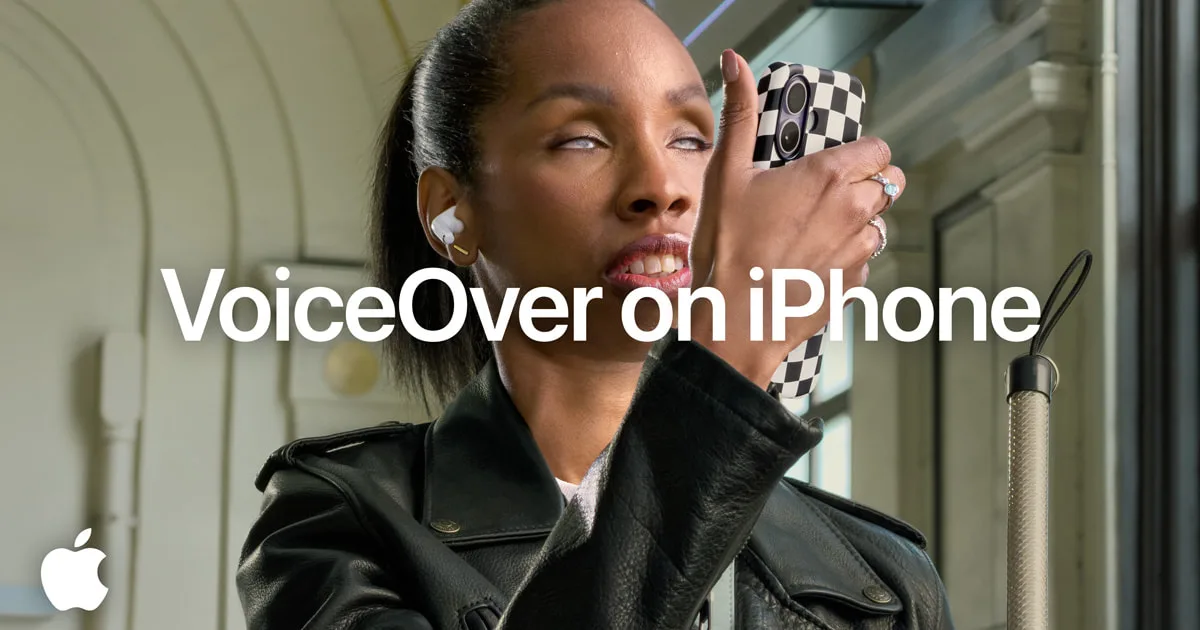
Apple also introduced more detailed image descriptions for photos, bills, and personal records, as well as natural language commands for iPhone and iPad control. Enhanced document reading will feature AI summaries to help users grasp content more easily [1, 2, 3, 4, 5].
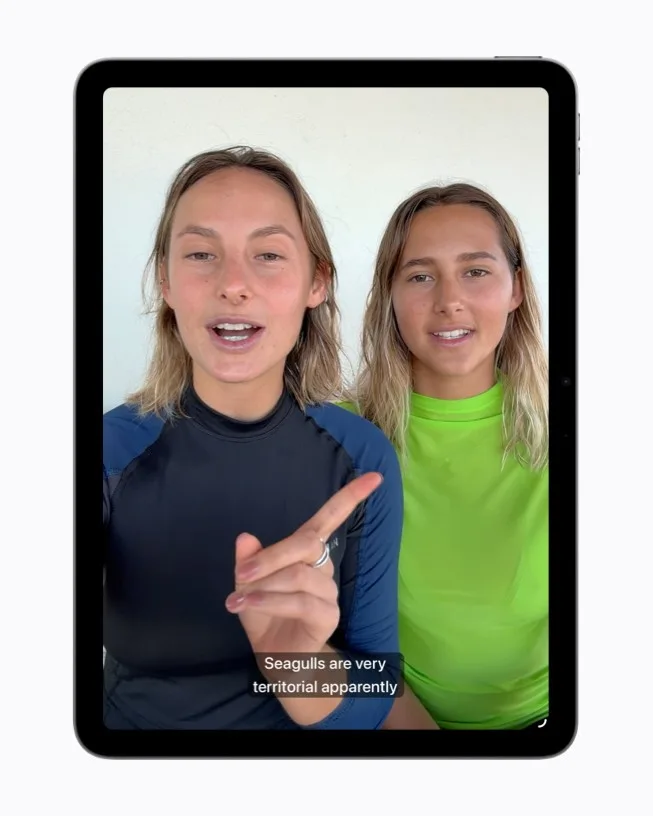
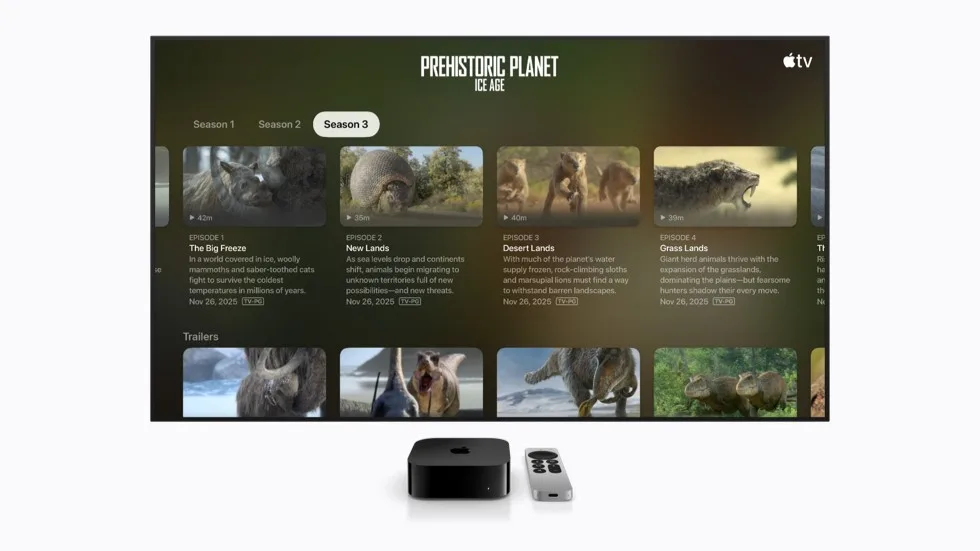
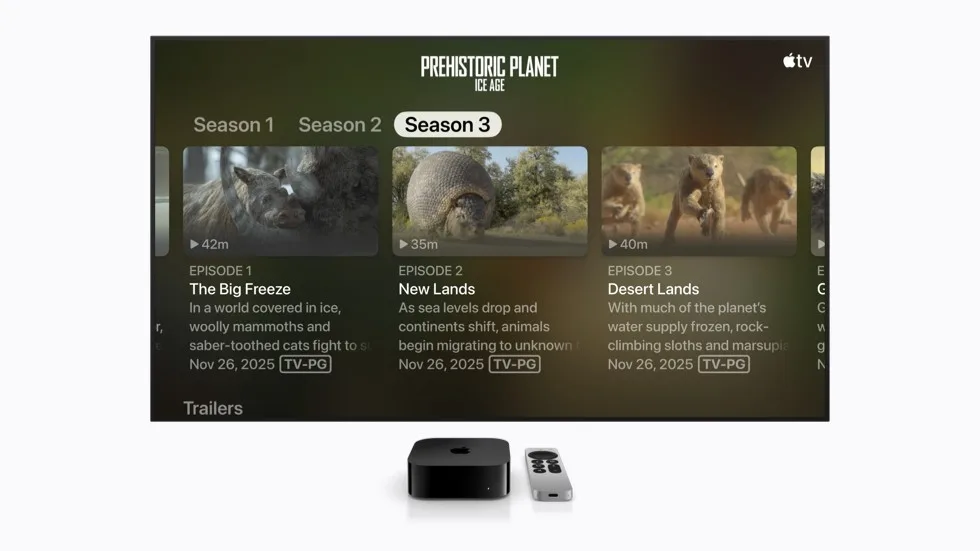
Additional accessibility improvements include device-generated AI subtitles for videos lacking captions across iPhone, iPad, Mac, Apple TV, and Vision Pro platforms [1, 2, 3, 4, 5]. These features require recent Apple hardware such as the iPhone 15 Pro series, iPhone 16, iPad mini with A17 Pro, M1+ iPads and Macs, and the Vision Pro headset [5].
Tim Cook, Apple CEO, said Apple’s approach to accessibility "is unlike any other," emphasizing that Apple Intelligence brings powerful new capabilities while maintaining "our foundational commitment to privacy by design" [1]. Sarah Herrlinger, Apple’s Senior Director of Global Accessibility Policy and Initiatives, added that these updates offer "new, intuitive options for input, exploration, and personalization" that protect user privacy at every step [1].
All AI processing will prioritize on-device computing to safeguard user data whenever possible [1, 2, 4, 5]. The rollout of these accessibility features, including AI subtitles and Vision Pro wheelchair control, is planned for late 2026 [1, 2, 3, 4, 5].