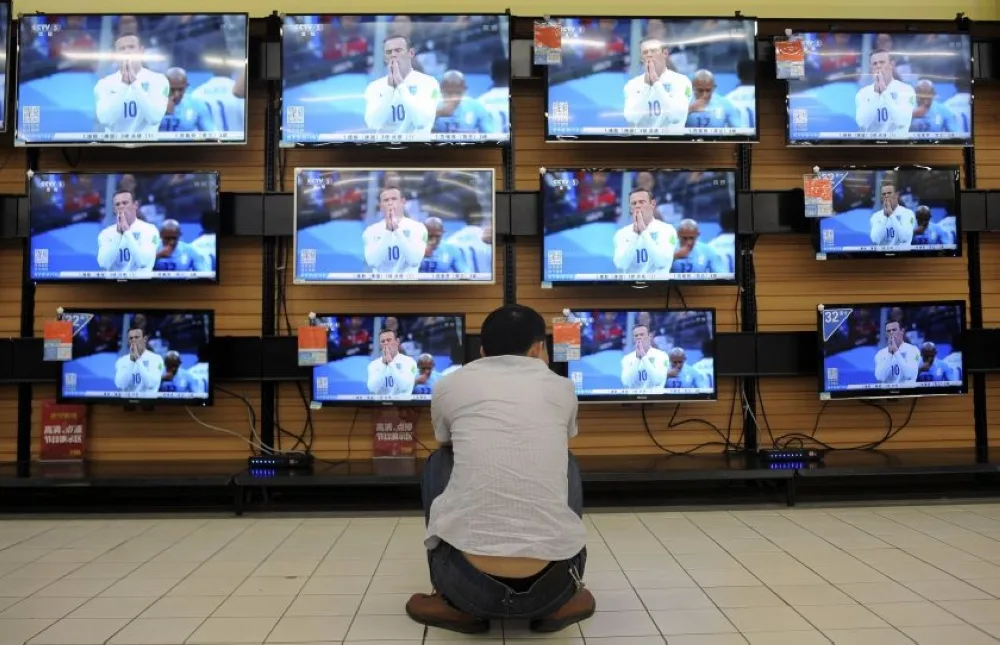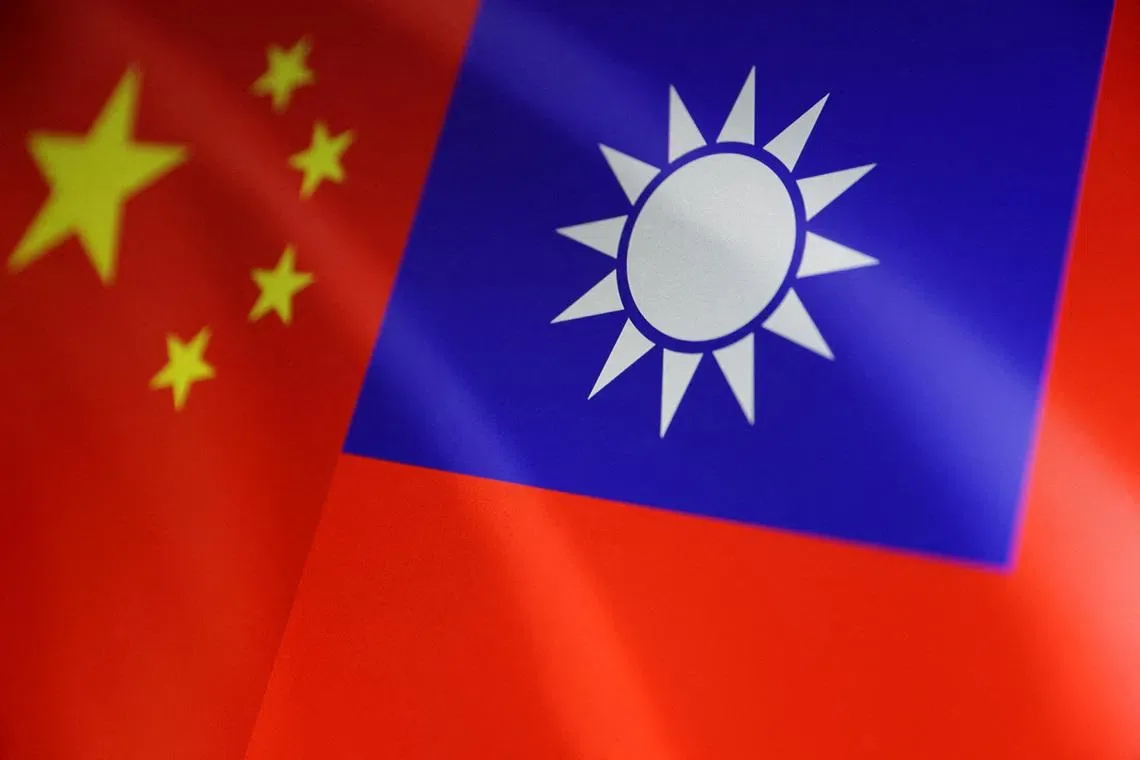
China’s Taiwan Affairs Office said on June 17 that it has the rights to broadcast all FIFA World Cup matches and invited Taiwanese fans to watch via mainland Chinese websites, apps, or by visiting China to see the games live. "We welcome compatriots on the island to use mainland Chinese websites, apps, and other platforms to watch live broadcasts of the matches, or to come to the mainland to watch the games," spokesperson Chen Binhua said [1].
Taiwan’s Mainland Affairs Council responded the same day, calling China’s comments "irrelevant" and pointing out that Taiwanese viewers already have access to the matches through domestic companies legally holding broadcast rights. The council said, "The Taiwan Affairs Office even feels the need to comment on World Cup broadcasts – it cares about too many irrelevant matters" [1].
Taiwan’s government also rejected Beijing’s sovereignty claims, emphasizing that only the people of Taiwan can decide their future. Neither Taiwan nor China qualified for the 2026 FIFA World Cup [1].
Taiwan is closely supporting Paraguay and Haiti during the tournament. Both remain among the last 12 countries that maintain formal diplomatic ties with Taipei. Taiwan's Foreign Minister Lin Chia-lung posted a video waving the flags of Paraguay and Haiti and said, "I’m very happy to see Taiwan’s allies, Paraguay and Haiti, take the stage at football’s globally watched grand arena" [1].
The controversy arose after some Taiwanese viewers expressed difficulty finding World Cup broadcasts, prompting China's Taiwan Affairs Office to issue its statement on June 17. Later that evening, Taiwan’s Mainland Affairs Council firmly denied any broadcasting issues within Taiwan and criticized China's remarks as politically motivated and unrelated to the World Cup [1].
Taiwan continues to access broadcasts through local companies with legal rights. The next World Cup matches feature teams including Paraguay and Haiti, which Taipei actively supports during the tournament [1].