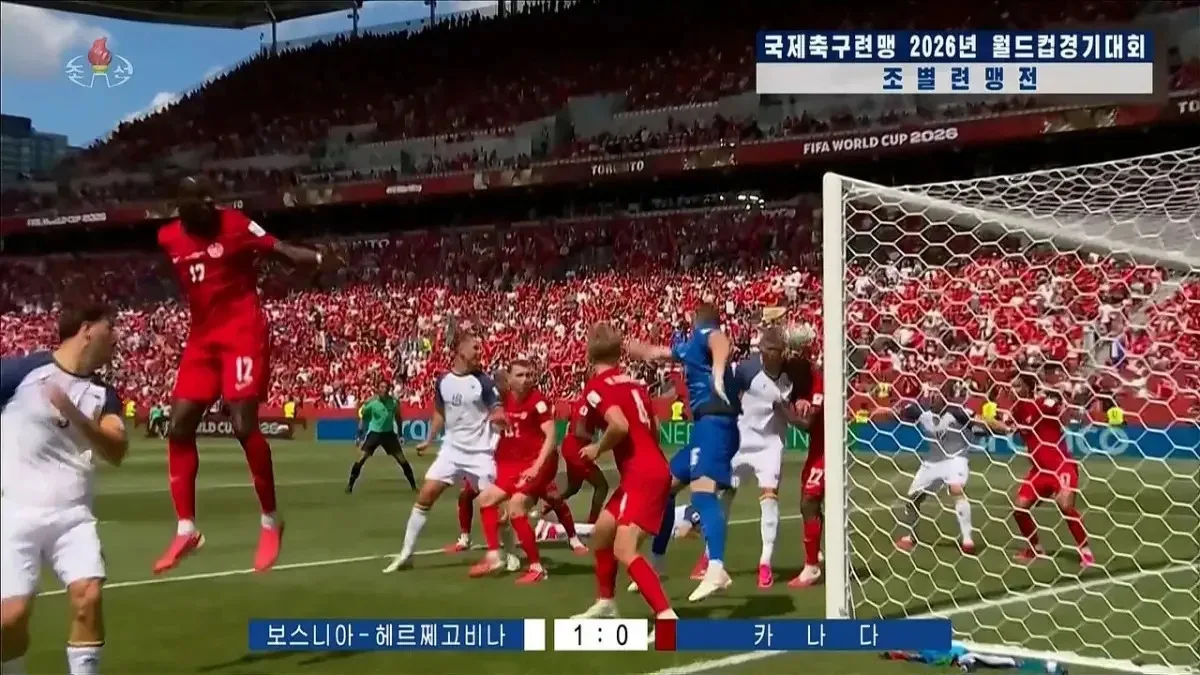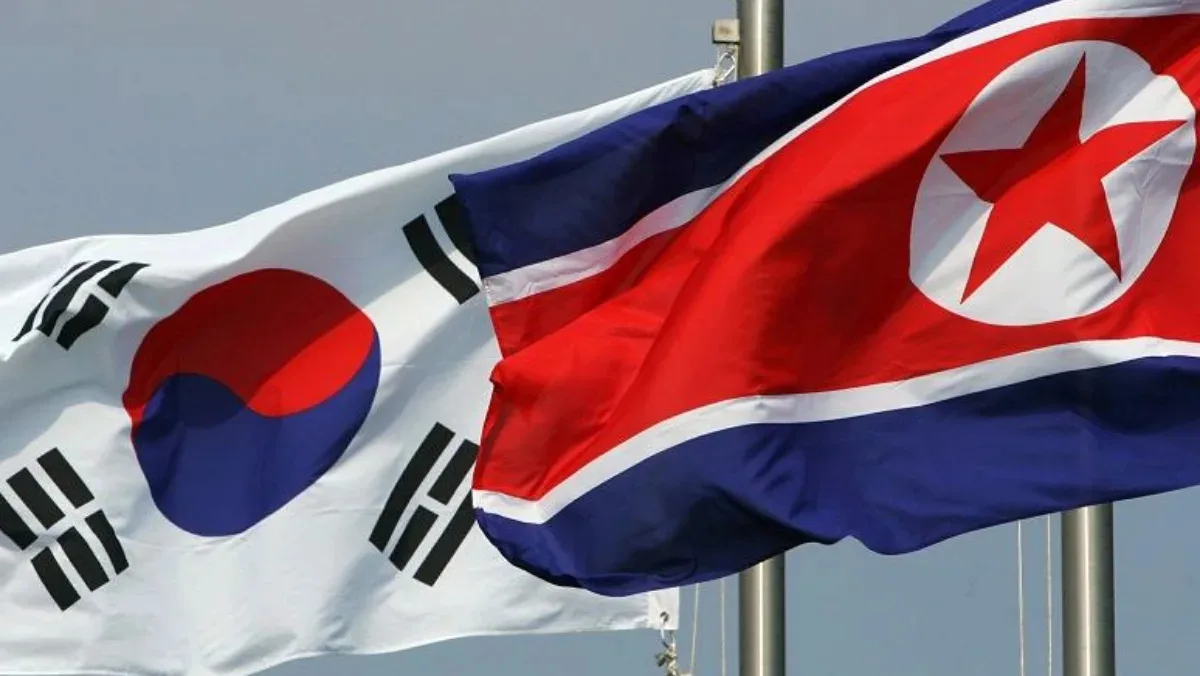
North Korea's state television, KCTV, broadcast unauthorized highlights of the 2026 FIFA World Cup matches from June 15 to 18, then ceased the broadcasts on June 19 after being caught, according to multiple sources [1, 2].
North Korea was not officially granted any broadcast rights for the 2026 tournament, confirmed by FIFA's Media Rights Licensees list, which excludes the country [1, 3, 4, 5, 6, 2]. South Korean and international football media allege North Korea used satellite signals from China or neighboring states to rebroadcast match footage illegally. "North Korea allegedly used satellite signals from China or neighboring countries to rebroadcast World Cup match footage," noted Alerta Mundial, an international football media outlet [1, 3, 7, 4, 5, 2].
South Korean media strongly condemned the broadcasts as piracy, with one outlet branding North Korea "pirates who publicly aired footage without broadcasting rights" [7]. South Korean broadcaster KBS criticized local rights holder JTBC for a large loan default related to World Cup rights, saying, "Instead of coveting viewing fees, it would be better to simply return the broadcasting rights" [8].
North Korea had legally accessed World Cup broadcasts indirectly in previous tournaments from 2014 to 2022, including using arrangements via South Korea's rights holders or the Asia-Pacific Broadcasting Union [3, 4, 6]. However, for 2026, no such agreements were in place. A South Korean broadcast industry insider said, "There was no unified contract similar to previous World Cups for 2026, so North Korea could not obtain legal broadcast rights through previous methods" [5].
FIFA had already warned North Korea after unauthorized broadcasts during the 2023 Women's World Cup and revoked their free access to World Cup footage [1, 3, 7, 4, 6].
After being exposed, KCTV stopped airing World Cup footage and limited coverage to match results [1, 6, 2]. The unauthorized broadcasts featured unusual commercial logos such as Hyundai, Coca-Cola, and McDonald's, which rarely appear on North Korean broadcasts [5].
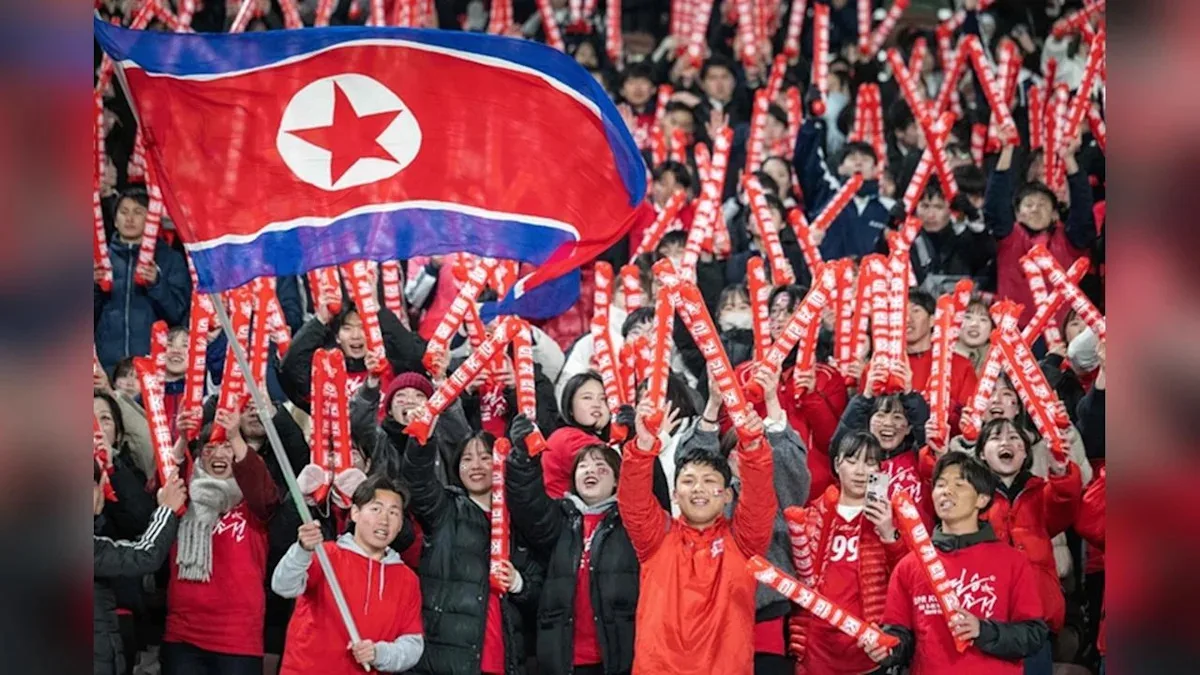
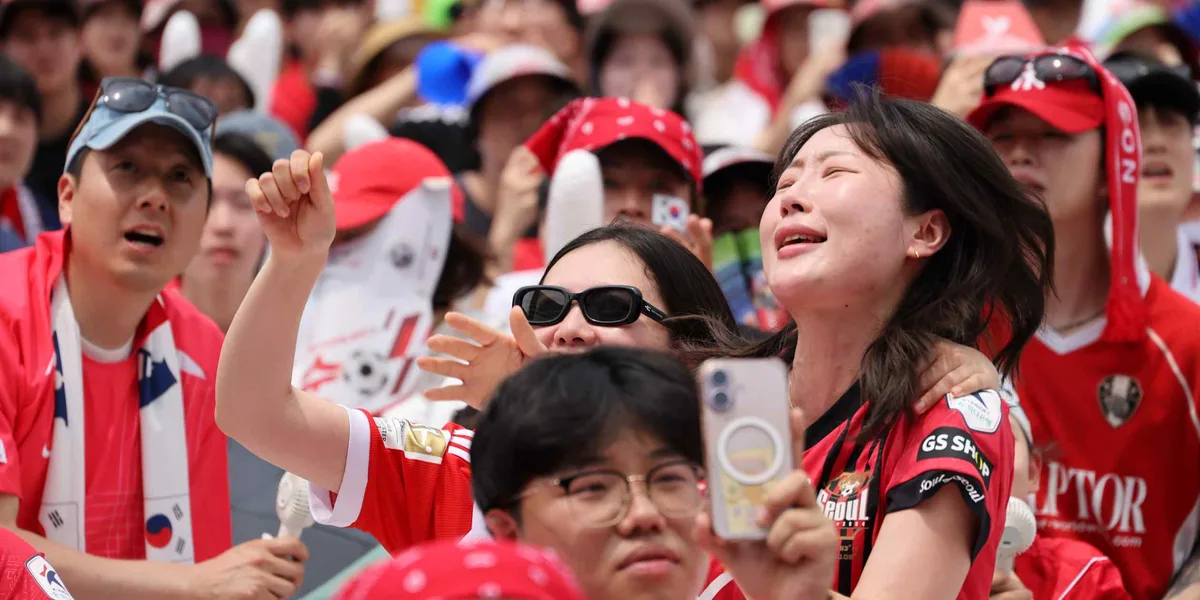
Though North Korea exited qualification for 2026, soccer remains popular domestically. The unauthorized broadcasts lasted four days from June 15 through June 18. KCTV halted transmissions starting June 19 [1, 2].