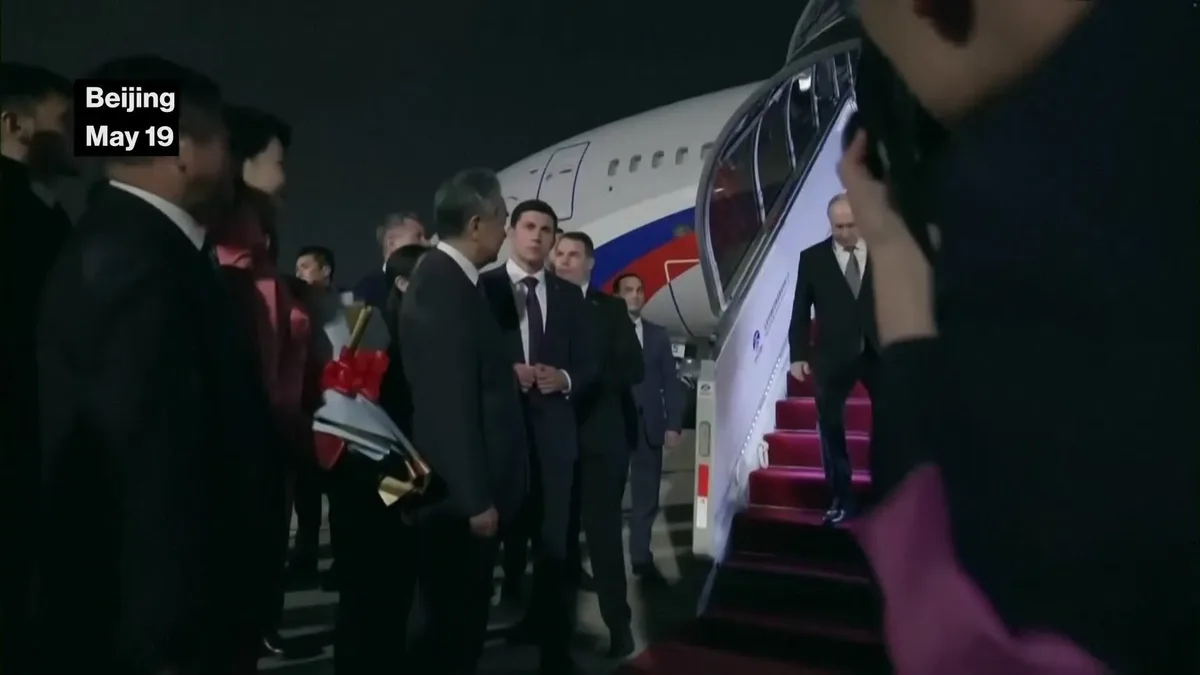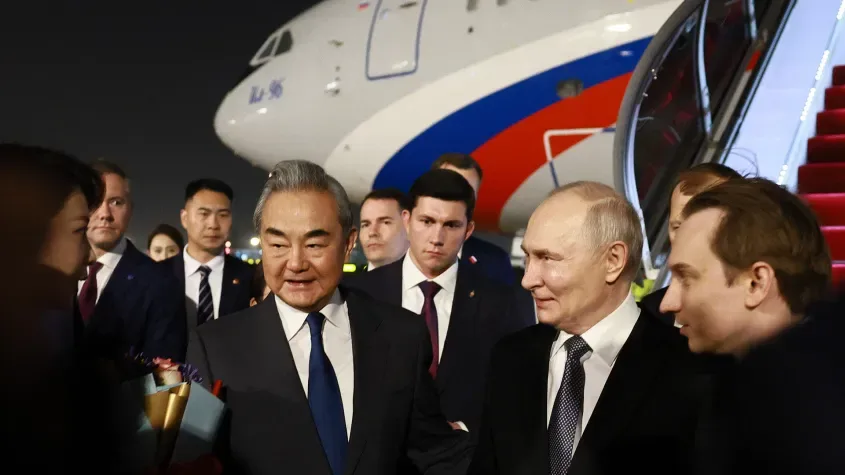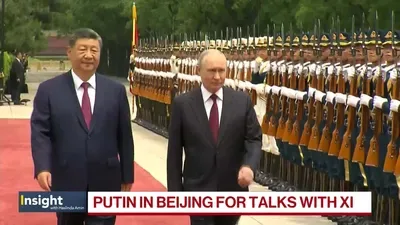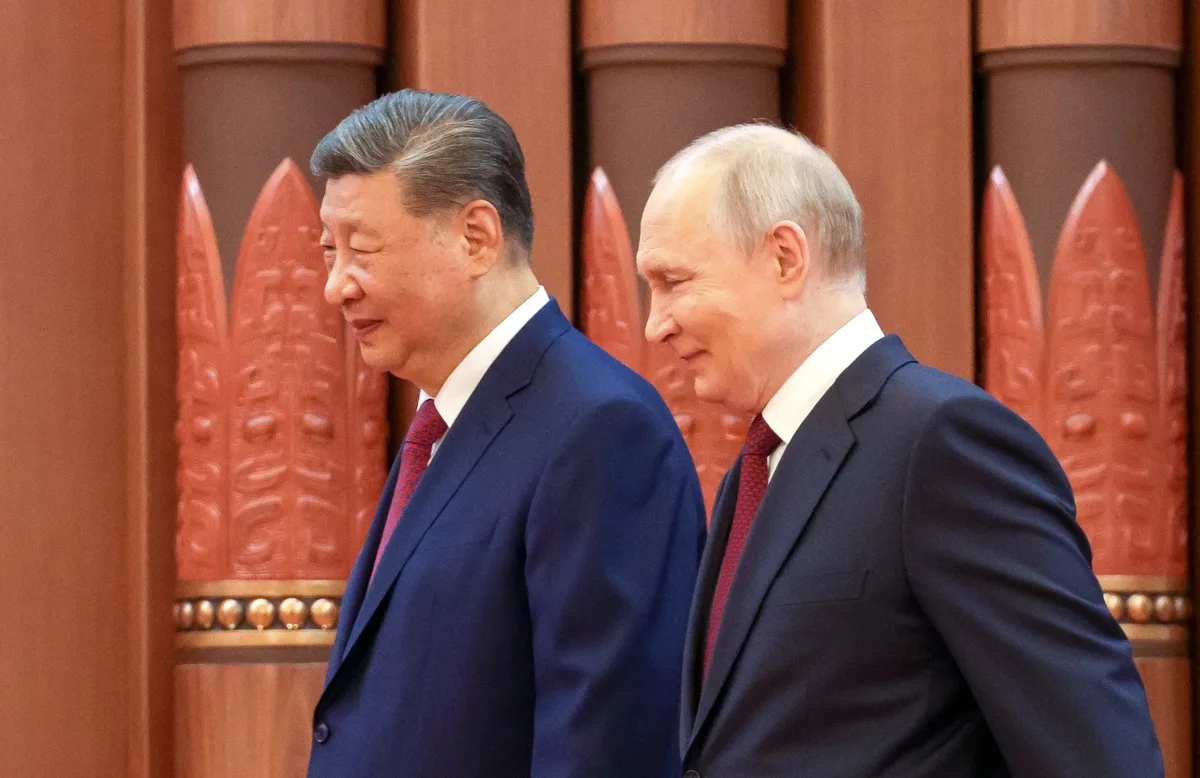
Russian President Vladimir Putin arrived in Beijing on May 19, 2026, to hold talks with Chinese President Xi Jinping aimed at reinforcing bilateral ties and making progress on a long-stalled Russian gas pipeline project [1, 2, 3, 4].
Putin's visit included high-level negotiations focused on the energy pipeline, a critical project for Russia’s exports to China, but no final approvals or breakthroughs on the pipeline were announced following the discussions [3, 4]. Chinese-Russian cooperation took a broader trade and technology dimension, with over 20 agreements on these areas signed during the talks [4].
Putin and Xi share a close personal relationship, with Putin having visited China more than 20 times, reflecting the sustained strategic partnership between the two nations [4]. China remains Russia’s largest trading partner and its biggest oil and gas customer amid continuing Western sanctions on Moscow [4]. Dr. Zheng Runyu, an analyst, noted, "Both China and Russia need each other, but Russia clearly needs China more than before at the global stage" [4].
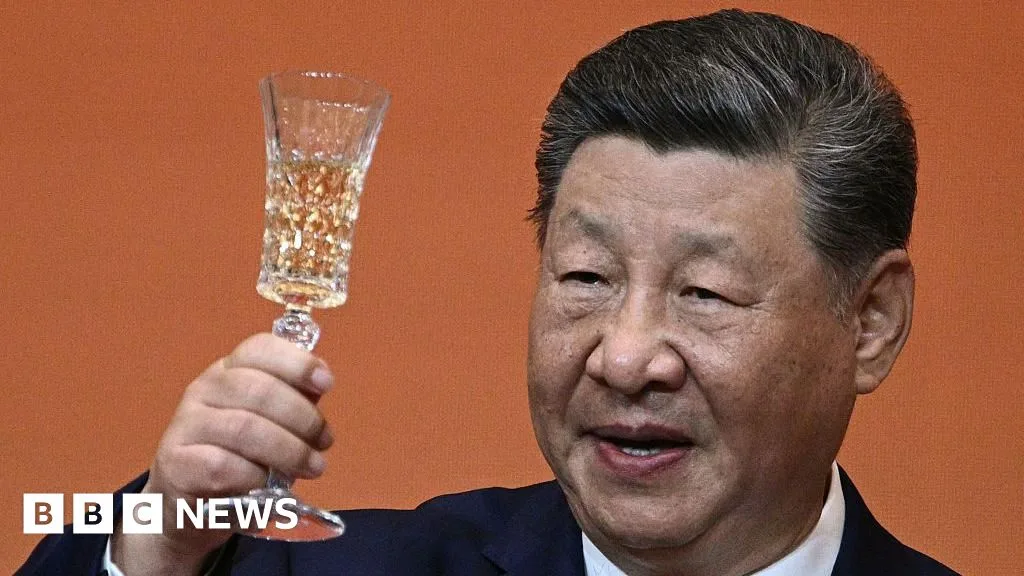
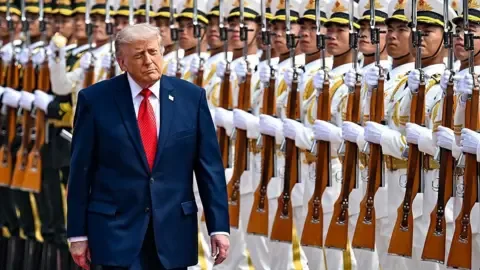
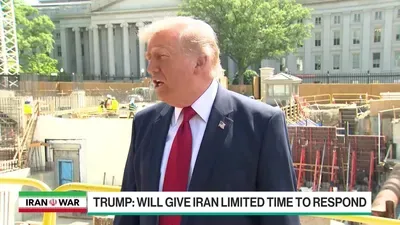
Xi Jinping hosted two major presidential visitors in quick succession: US President Donald Trump from May 13-15, followed by Putin starting May 19 [4]. The Trump visit marked his first trip to China since 2017 and featured a high-profile summit with Xi on May 14 focusing on trade, Taiwan, and Iran [5, 6, 7]. Trump praised Xi as a respected leader and said, "I very much look forward to my China visit. China is an amazing country with President Xi, a respected leader. Good things will happen between us!" [6]
Ahead of the Trump visit, US bipartisan senators urged him to approve a $14 billion arms sale to Taiwan, supplementing a record $11 billion package approved in late 2025 [8, 7, 9]. Trump confirmed he would discuss Taiwan arms sales with Xi, saying, "President Xi hopes we will not do that. I will discuss it. It is one of many topics I will bring up" [8]. Taiwanese analysts consider Trump not anti-Taiwan but see Taiwan as a bargaining chip rather than a central strategic priority [10]. Taiwan’s legislature passed a special defense budget of roughly NT$780 billion (~$25 billion), less than the government’s proposed NT$1.25 trillion (~$40 billion) [10, 11, 9]. Taiwan officials emphasize ongoing deepening of US-Taiwan cooperation despite external pressures [11].
The Trump-Xi summit was expected to possibly yield an agricultural trade agreement expanding Chinese imports of US grains and meat, though some sources noted limited prospects for large soybean purchase increases due to weak demand and competition from Brazil [5, 6, 12]. China’s share of US soybean imports fell from 41% in 2016 to 20% in 2024 amid trade tensions [12].
Following Putin’s visit, Chinese and Russian officials are likely to continue dialogue on the energy pipeline project and deepen trade ties. No further meetings are scheduled publicly at this time.