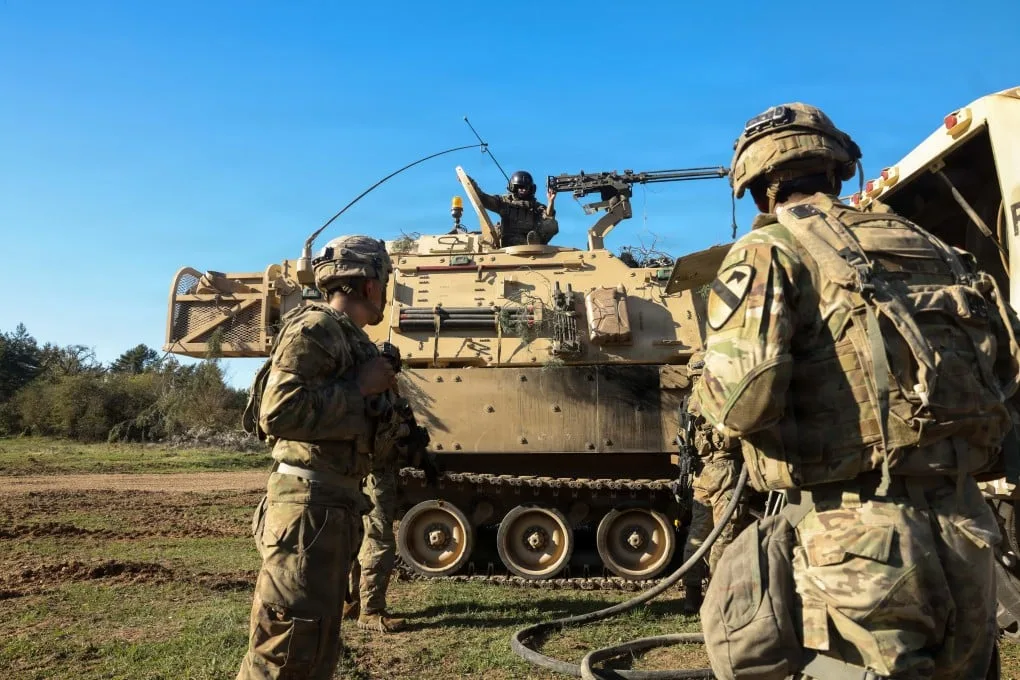
US President Donald Trump announced on May 1 that around 5,000 American troops will be withdrawn from Germany over the next six to 12 months [1]. The decision follows his public criticism of NATO allies, accusing them of failing to provide support to the United States. "We got no help, zero from Nato. You know, we spent trillions of dollars in Nato. We got no help," Trump said [1].
The troop reduction is part of a broader push by Trump to press European NATO members to contribute more to defense costs. On April 30, he indicated that US troop numbers could also be cut in Italy and Spain due to their lack of assistance. Trump specifically called Italy "not been of any help to us" and described Spain as "horrible, absolutely horrible" in supporting US interests [1].
The withdrawal from Germany and potential cuts in Italy and Spain deepen tensions between the US and its European partners. German Chancellor Friedrich Merz criticized the US approach, saying Washington had been "humiliated" by Iran and lacked a clear strategy in the region [1].
The troop reduction in Germany involves around 5,000 soldiers and will unfold gradually between six months and one year from the announcement date, impacting US military presence in Europe significantly [1].
The US Department of Defense has yet to release detailed plans on how the troop drawdown will be implemented or the final destinations of withdrawn forces. NATO officials are expected to hold discussions with Washington to address the implications for alliance readiness and cohesion.
Trump’s comments and troop repositioning reflect ongoing friction over defense burden-sharing within NATO. The next key milestone is the completion of the troop withdrawals from Germany sometime between late 2026 and mid-2027, depending on how the phased drawdown proceeds [1].