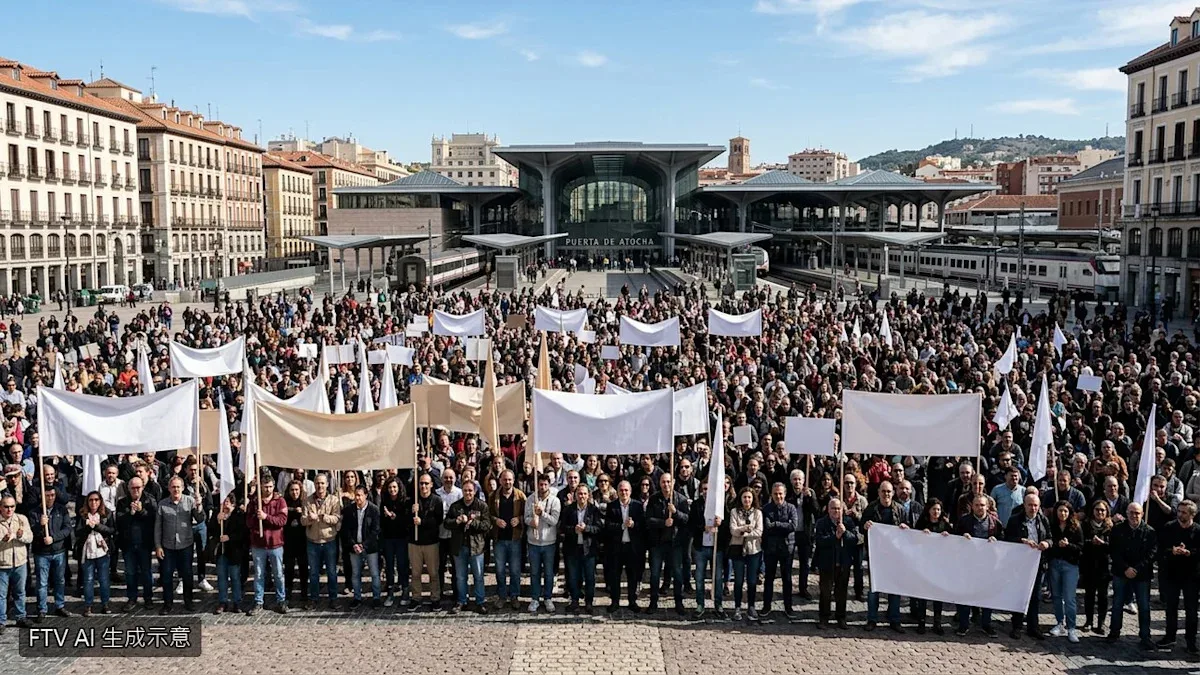
Thousands of protesters gathered on June 20, 2026, in Novi Sad, Serbia’s second-largest city, to remember the 2024 railway station awning collapse that killed 16 people and to demand early general elections [1, 2, 3, 4]. The rally drew student-led crowds who wore T-shirts with slogans like "Students are winning" and chanted "Victory" despite around 30 degrees Celsius heat [1, 2, 3, 4].
The protests have occasionally turned violent and have spread across Serbia since the disaster two years ago [1, 2, 3, 4]. Demonstrators, opposition groups, and human rights organizations accuse Aleksandar Vucic’s Serbian Progressive Party (SNS), which has ruled for 13 years, of corruption, election rigging, violence against opponents, media suppression, and ties to organized crime [1, 2, 3, 4]. Vucic and his allies deny the allegations [1, 2, 3, 4].
A university professor from Novi Sad said, "Without free and fair elections, everything else is empty words," emphasizing the central demand of the protests [1]. Protester Goran Sajin, in his 50s, added, "We must stand up, express our will, and win; we have no other choice" [1].
Opposition activists said they intend to challenge Vucic and the SNS in the parliamentary and presidential elections scheduled for 2027, though Vucic has suggested they could be called early within months [1, 2, 3, 4]. On June 27, Vucic called for a rally of his supporters, urging people to unite under the Serbian flag and avoid expressing anger toward others [1, 2, 4].
Serbia’s EU accession bid depends on reforms including free elections, fighting corruption and organized crime, judiciary changes, and aligning its foreign policy with the EU, including sanctions on Russia over the Ukraine invasion [1, 2, 3, 4]. The ongoing protests reflect public demand for significant political change and adherence to these conditions.
The next major event is Vucic’s supporters rally on June 27, 2026, in response to the June 20 protests [1, 2, 4].