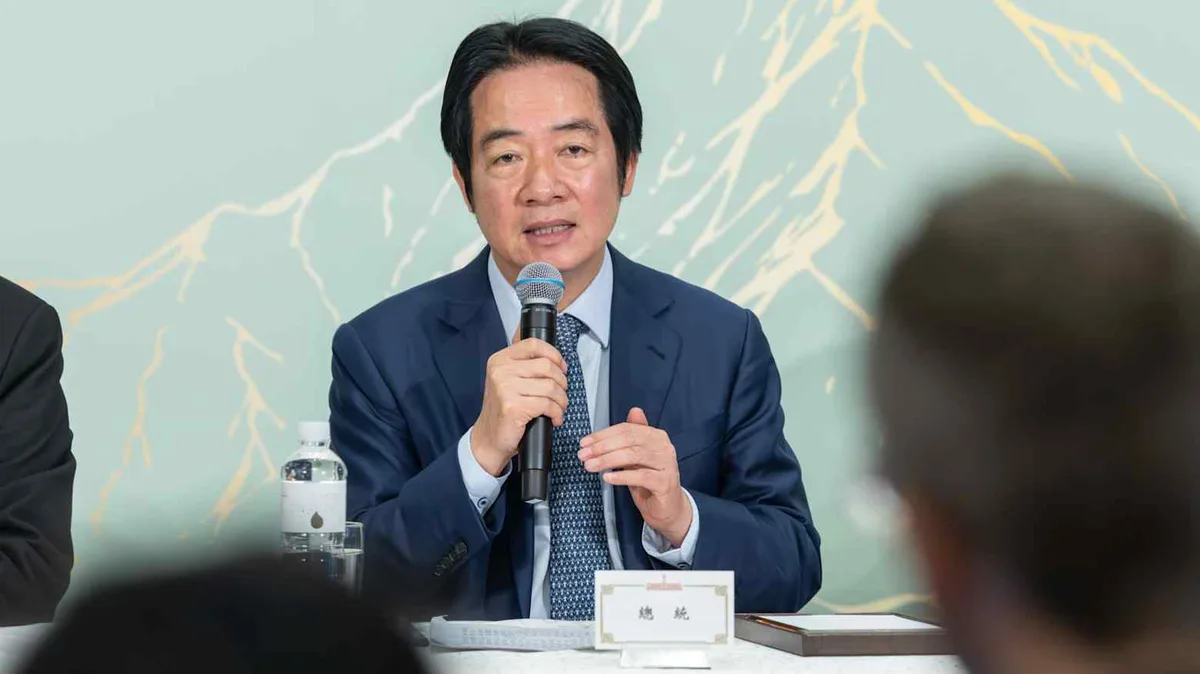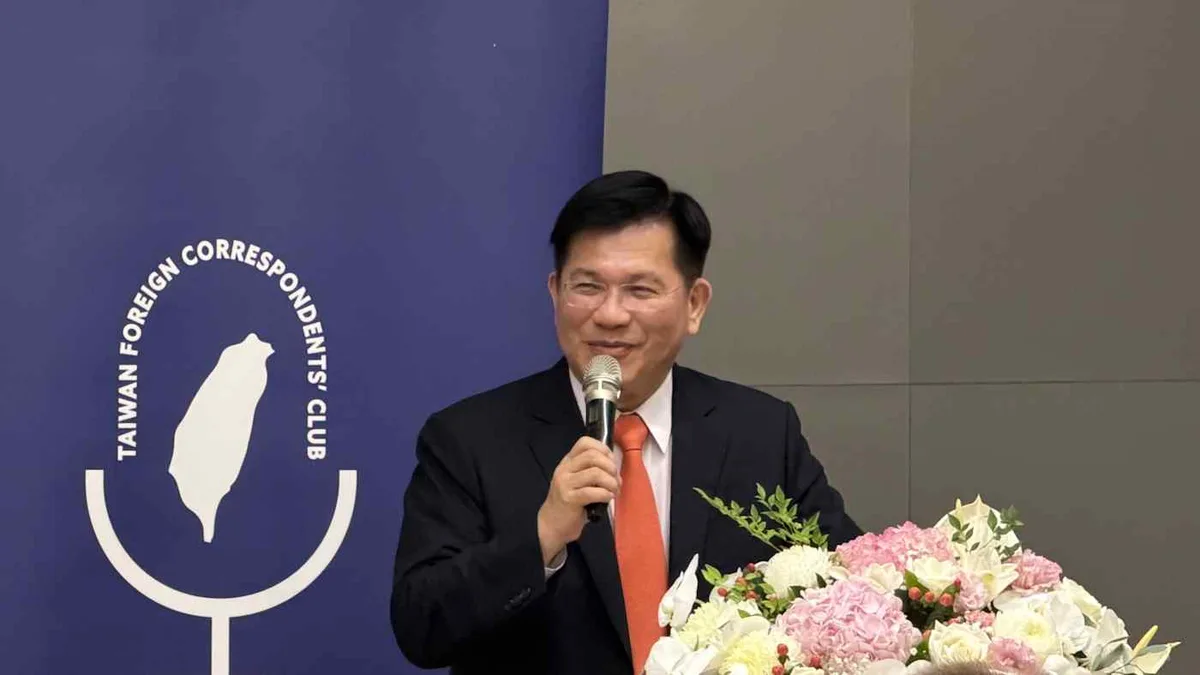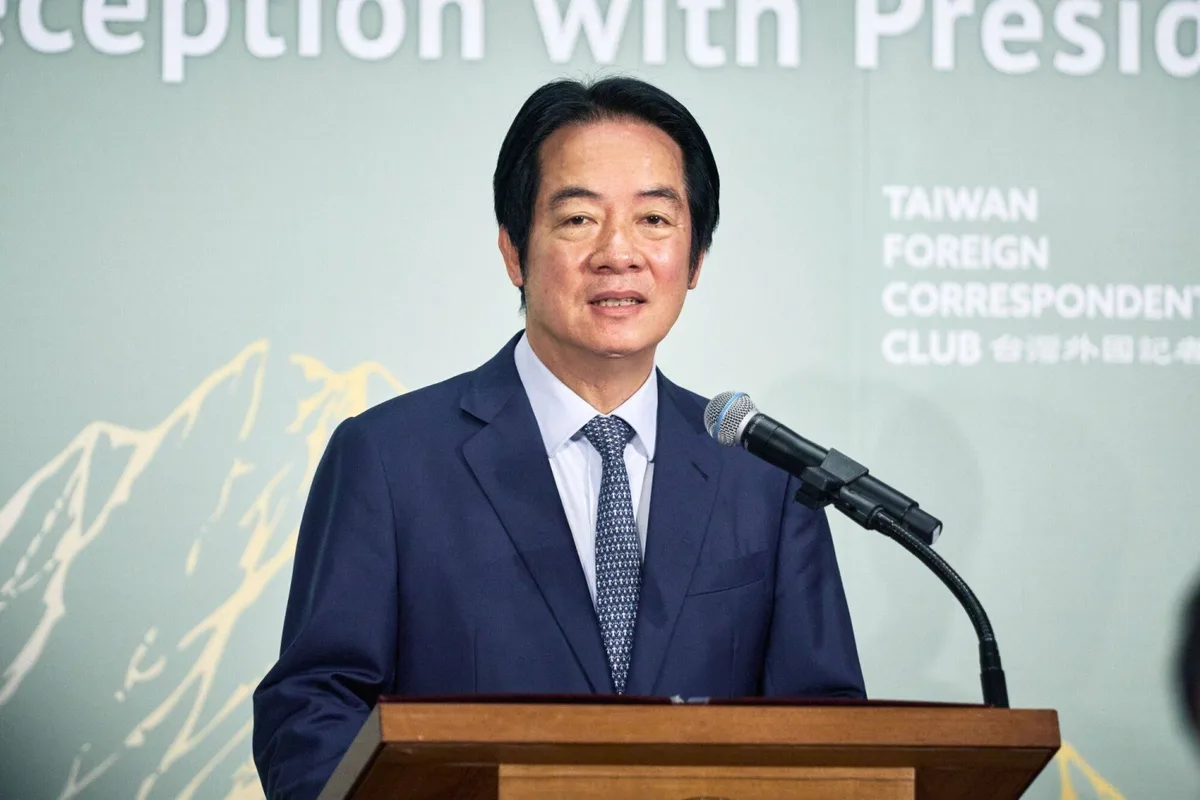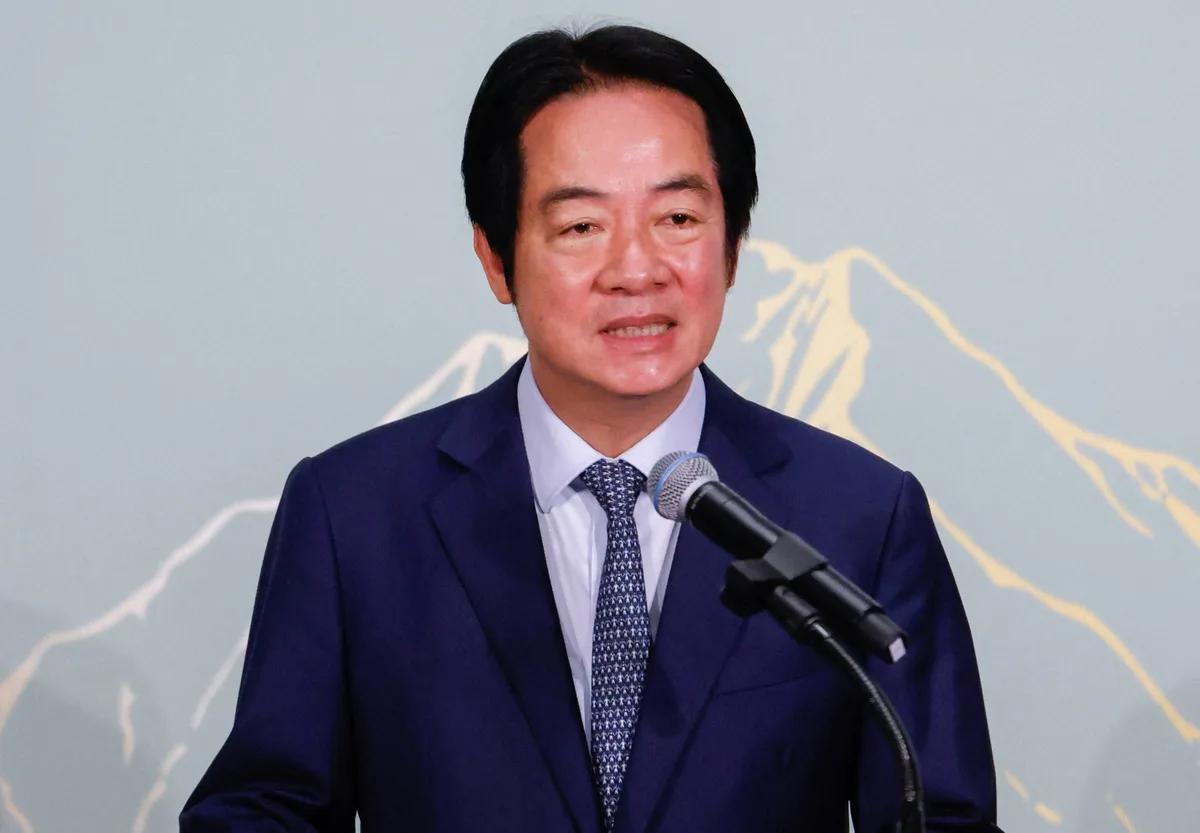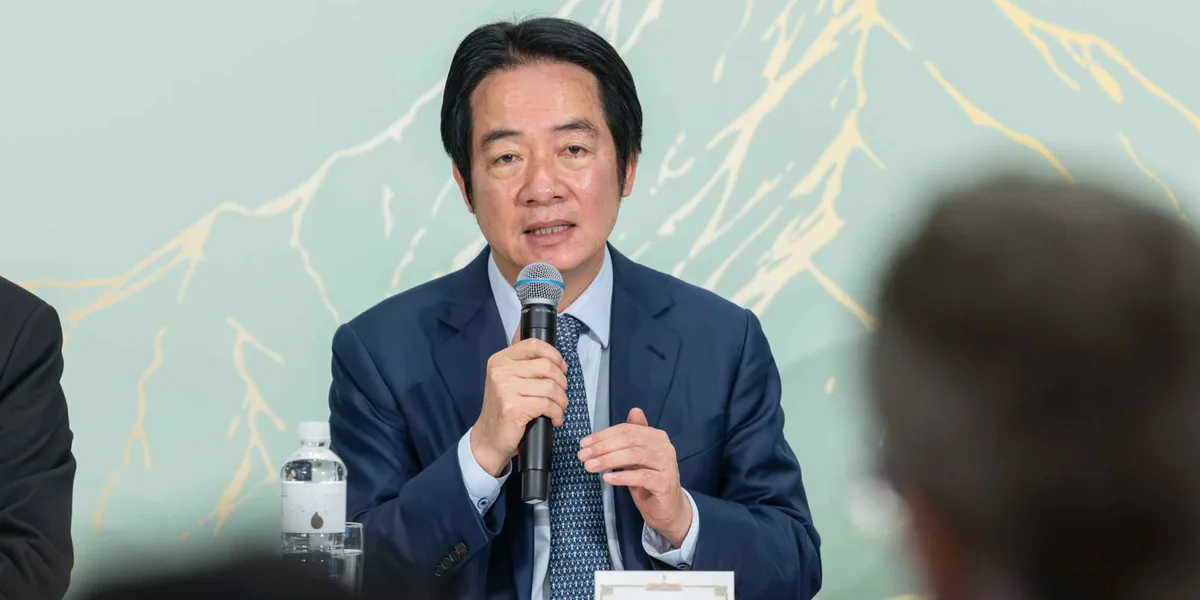
Taiwan’s President Lai Ching-te spoke at the Taiwan Foreign Correspondents Club on June 18, expressing hope that the United States would soon approve a new $14 billion arms sale package for Taiwan amid rising tensions with China [1, 2, 3]. Lai said Taiwan’s defense efforts and refusal to accept Chinese rule should not be seen as provocation. "Taiwan’s safeguarding of its own national security and maintaining its democratic and free way of life, its refusal to accept unification and its refusal to accept rule by the Chinese Communist Party should not be seen as a provocation against China," Lai said [2].
Lai called for talks between Taiwan and China based on parity and respect, but stressed that only the Taiwanese people can decide their future [2, 3]. He also said China is the main force changing the status quo in the Taiwan Strait and disrupting regional peace and stability [2]. Beijing considers Taiwan its territory and has increased military and diplomatic pressure on the island [1, 2, 3].
The proposed $14 billion US arms package has been under review since May. US Secretary of State Marco Rubio said the deal was paused to conserve munitions for the war in Iran, and it remains pending [3]. Lai affirmed Taiwan’s close communication with the US government, saying, "We will continue to maintain close communication with the US government, and we also hope the arms purchases can be approved as soon as possible" [3].
Domestically, Taiwan’s parliament last month approved only two-thirds of the $40 billion defense budget originally proposed by Lai, cutting funds for drones and locally produced weapons [2, 3]. On June 18, Taiwan’s defense ministry proposed an additional special defense budget of around 210 billion New Taiwan dollars (about $6.64 billion) focused on surveillance and small unmanned drones [2, 3].
Taiwan relies heavily on US support to deter China and has welcomed US calls for allies to boost defense spending [2, 3]. The US arms sale approval remains a key step amid increasing military pressure from China.
The next development to watch is the US decision regarding the $14 billion arms sale, which has been under review since May, as Taiwan and the US continue discussions on the matter [2, 3].