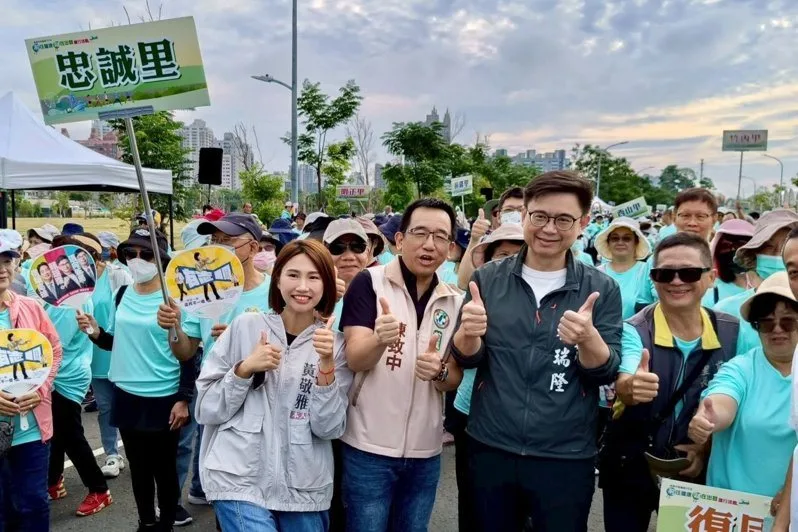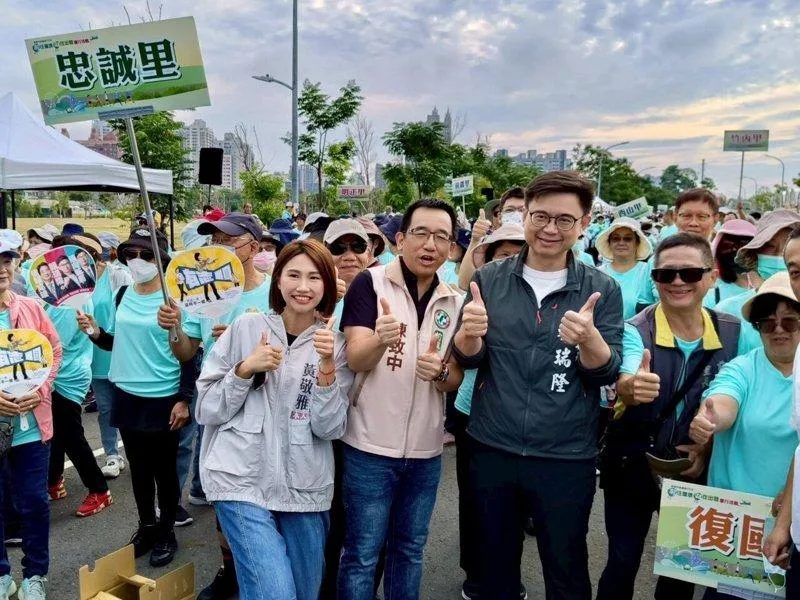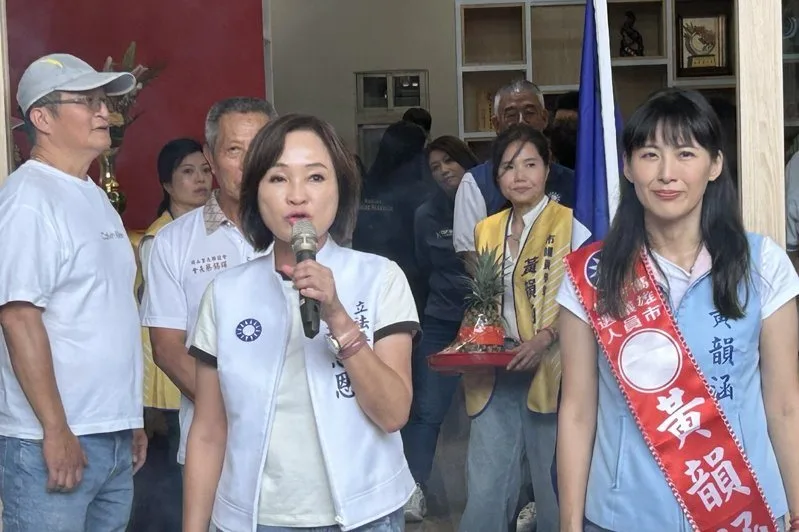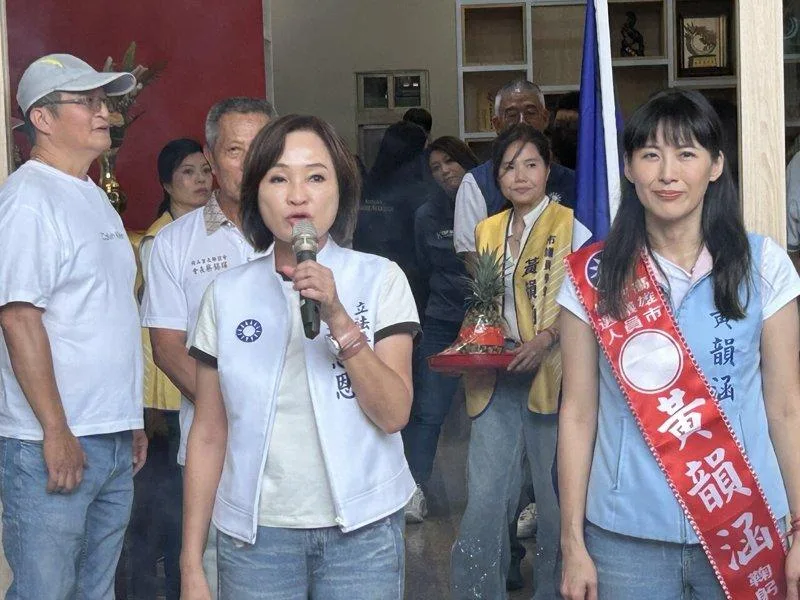
The Kaohsiung mayoral race is one of Taiwan’s closest contests, with a TVBS poll showing DPP candidate Lai Jui-long narrowly leading KMT candidate Ko Chih-en by 0.6 percentage points—40.3% to 39.7%—and 19.9% of voters undecided as of early June 2026 [1, 2]. However, a New Taiwan Policy Think Tank poll released nine days later showed a much wider lead for Lai at 46.2% over Ko’s 28.4%, a 17.8-point gap [3]. The KMT called the latter poll biased and “self-produced and self-sold” due to the director’s known support for Lai [3].
The race intensified as Lai challenged Ko over claims that her family members and assets are primarily in the United States. Lai stated, “Ko Chih-en, your family is all in the US, and your assets are in the US, yet you want to run for Kaohsiung mayor” [4]. Ko refuted the accusations as misinformation and defended her local ties, saying her assets are legally declared, she owns property in Kaohsiung, and that her husband and son live and study in Taiwan. Ko told Lai, “Don’t apply double standards... If you want to discuss family matters, go back and think it through before bringing this up in elections” [4].
In New Taipei City, polls give KMT candidate Lee Ssu-chuan a 6.2-point lead over DPP’s Su Chiao-hui, with stronger support among younger voters [5]. Taipei’s mayoral race also favors the KMT incumbent Chiang Wan-an, who leads challenger Shen Bo-yang by over 20 points in multiple polls [6, 7, 8, 9, 10].
Meanwhile, Kaohsiung’s incumbent mayor Chen Chi-mai of the DPP holds a 68.1% approval rating with 19.7% disapproval, reflecting a relatively popular administration as the city prepares for the next mayoral vote [1, 2].
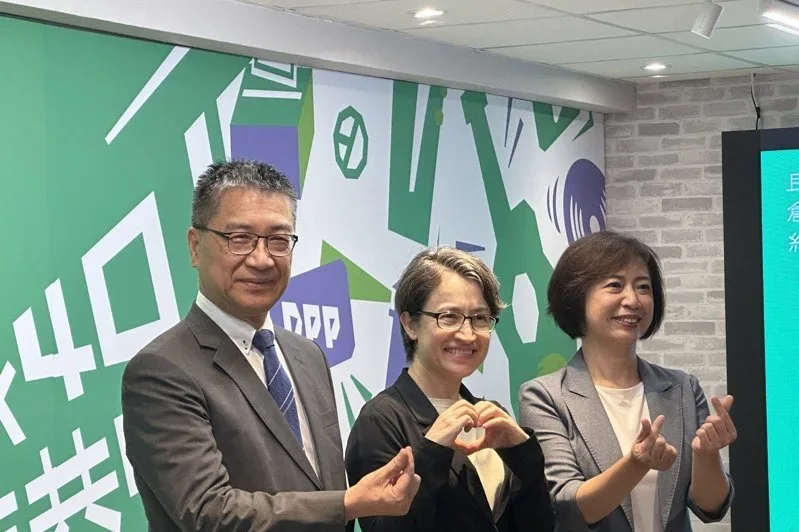
The DPP marked its 40th anniversary with a youth forum in Taichung on June 30. Key attendees included Vice President Hsiao Bi-khim, Secretary-General Hsu Kuo-yung, and Taichung mayoral candidate Ho Hsin-chun [6, 11, 7, 8, 9, 10]. Ho proposed establishing a "Youth Bureau" to integrate resources supporting youth employment, entrepreneurship, and family formation. She said, “Taichung is a young and vibrant city but has yet to set up a Youth Bureau. We will continue working with the central government to create an environment where young people can confidently dream and build their futures” [11, 10].
DPP Secretary-General Hsu Kuo-yung commented on the political climate, noting, “Criticizing the president is now completely acceptable. Sometimes the president even calls back saying, ‘Your opinion is very good’ ” [12].
The next significant event is the upcoming mayoral election scheduled in late 2026, which will determine leadership in key cities amid these close and contentious campaigns.