Sweden's government officially withdrew its proposal to lower the age of criminal responsibility from 15 to 13 on June 11, citing a lack of parliamentary support and internal divisions within the coalition [1, 2, 3]. Justice Minister Gunnar Strommer said, "Things are a bit uncertain in parliament, and that is why we have decided to act responsibly in this situation by making the decision this morning to withdraw this bill" [2].
Instead, the government plans to submit new legislation this summer proposing the age be lowered to 14 years old, a move expected to gain broader parliamentary approval by August [1, 4, 5, 2, 3, 6]. Strommer stated, "We are going to propose that the age of criminal responsibility should be cut to 14 instead of 13-years-old" [1].
The original 13-year-old proposal was highly controversial in Sweden. Police, prison officials, legal experts, and children's rights advocates opposed lowering the age so drastically, warning it could lead to imprisoning very young children and potentially increase youth crime rates or gang recruitment [4, 5, 2, 6]. The academic workers' union called the withdrawal a wise decision, advocating to maintain the age at 15 with improved specialized care [4, 5, 6].
Opposition parties including the Social Democrats, Greens, and Left Party generally support lowering the age to 14, aligning with recommendations from the UN Committee on the Rights of the Child, which advises a minimum age of 14 consistent with the EU average [1, 4, 5, 3, 6].
Sweden has faced a rise in violent gang crime over the past two decades, with serious offenses increasingly involving younger minors. Last year, over 50 children under 15 were prosecuted for murder or attempted murder in the country [1, 2, 3]. Currently, minors convicted of serious crimes are placed in youth care homes rather than prisons, but these institutions have been criticized for failing to reduce reoffending [1, 2, 3].
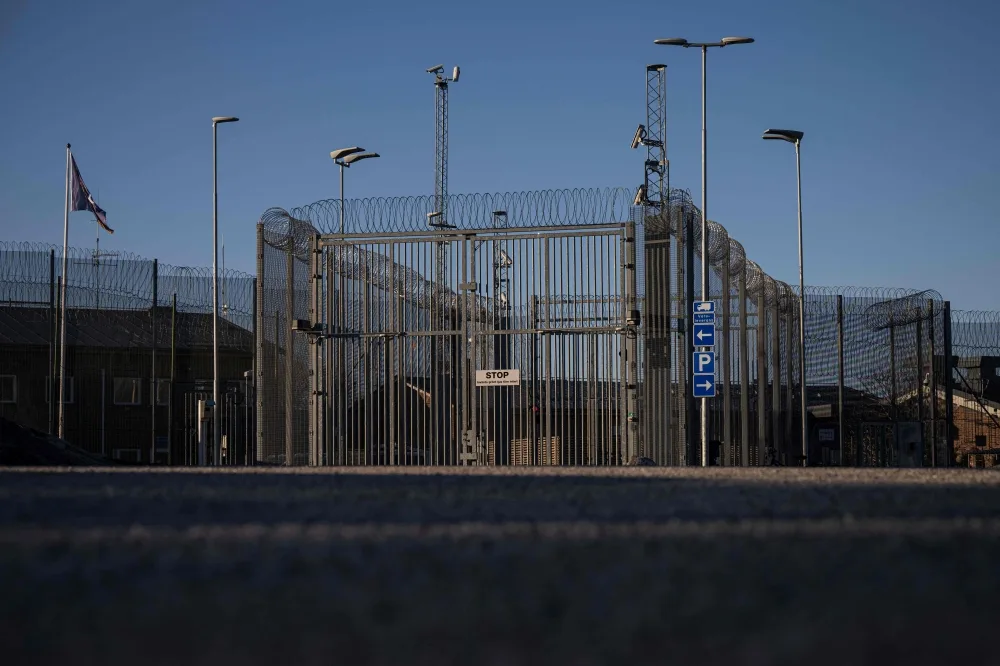
The 13-year proposal had been supported by the government initially, which even prepared special prison environments for young offenders, but fractured support after the Sweden Democrats broke a longstanding voting agreement in April, creating more uncertainty in parliament [4, 5, 6].
Other Nordic countries keep the age of criminal responsibility at 15, with Denmark briefly lowering it to 14 before reverting amid concerns of rising youth crime [4, 5, 6].
The government’s next step is to submit the new proposal to lower the age to 14 in the coming summer. Parliamentary approval is anticipated by August 2026 [2, 3].