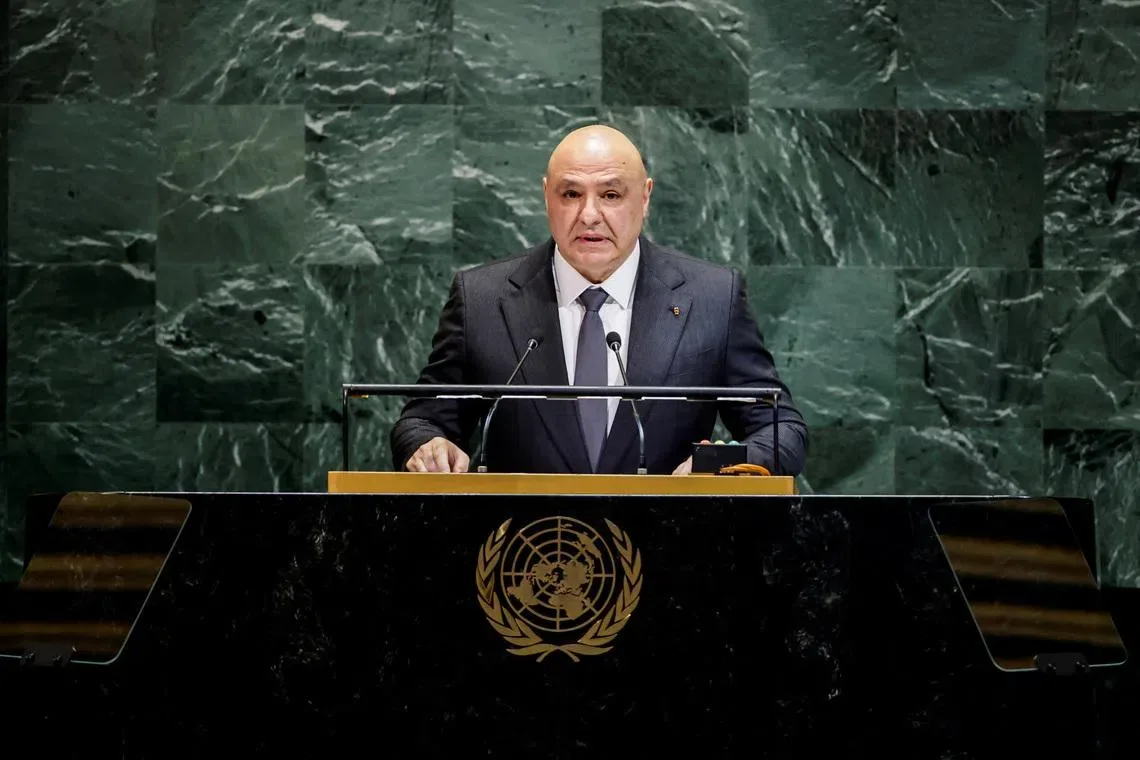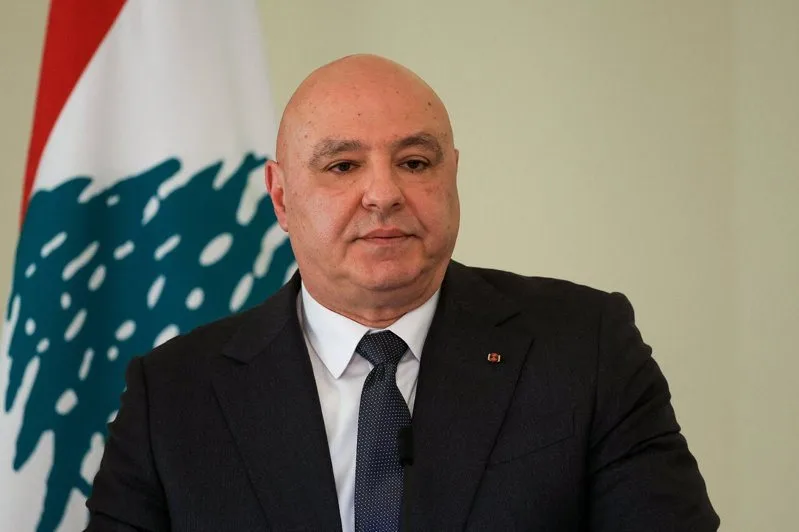
Lebanese President Joseph Aoun accused Iran of using Lebanon as a bargaining chip in its negotiations with the United States, calling the practice "unacceptable" and demanding Tehran end its interference in Lebanon's internal affairs [1, 2, 3]. Aoun said the Lebanese people are paying the price for Iran’s regional interests and are worn down by the conflict between Israel and the Iran-backed Hezbollah militia that controls parts of southern Lebanon [1, 2, 3, 4].
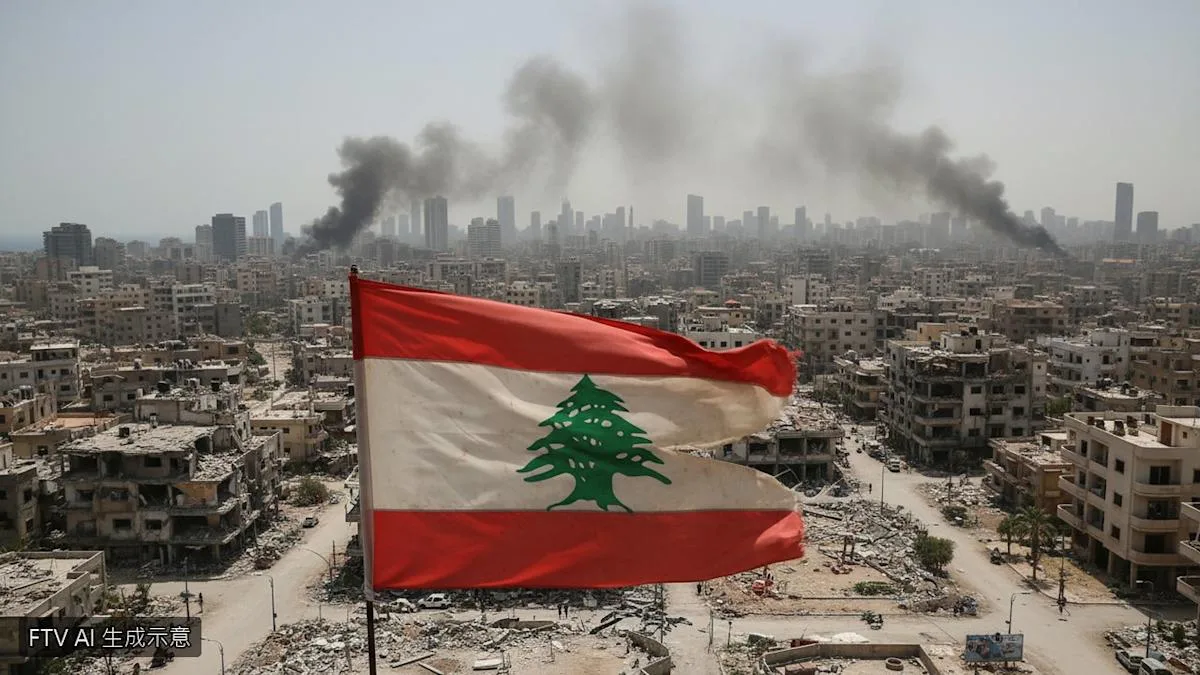
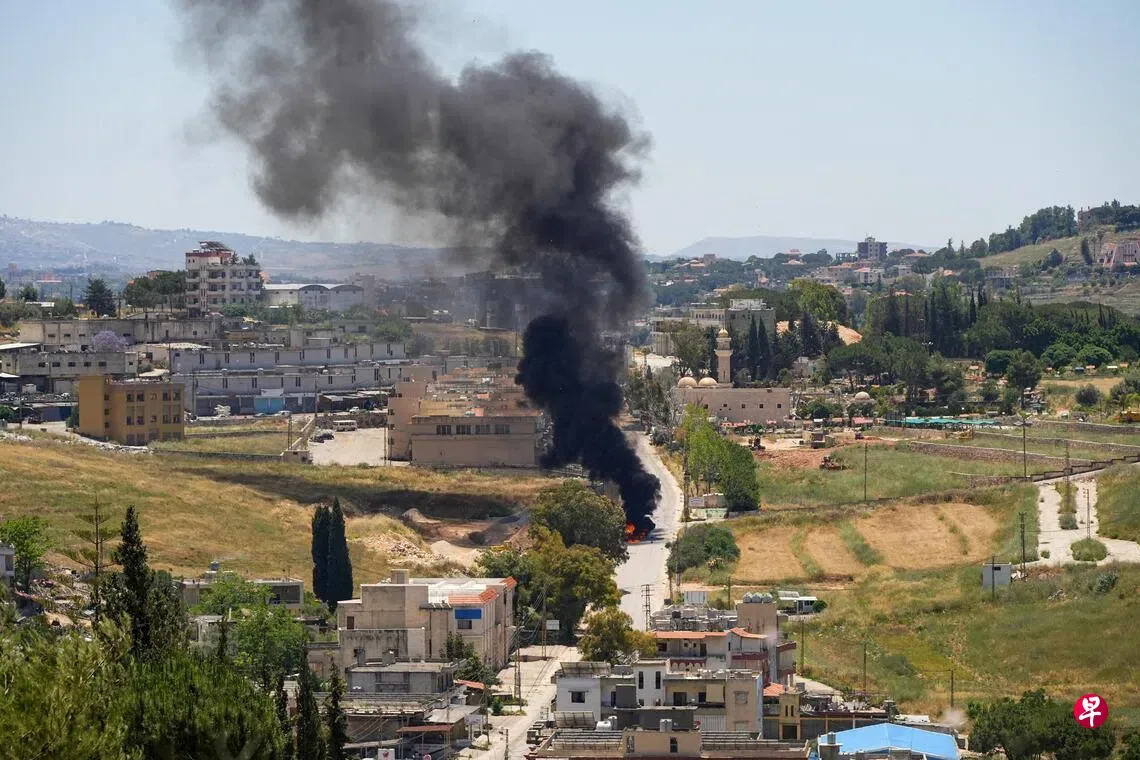
Hezbollah, supported by Iran's Revolutionary Guards, ignited hostilities over three months ago by opening fire in solidarity with Tehran against Israel. Israeli attacks since March have killed thousands and displaced about 1.2 million people in Lebanon, with Israeli forces occupying southern Lebanon [1, 2, 3, 5].
Iran has made a ceasefire in Lebanon a precondition for any broader peace deal with the United States, according to several sources [1, 2, 3]. On June 3, Israel and Lebanon agreed to a US-mediated ceasefire plan contingent on Hezbollah stopping attacks and withdrawing from southern Lebanon. Hezbollah rejected the plan the next day, with its deputy leader Naim Qassem saying the agreement was rejected by broad segments of the Lebanese population [1, 2, 4, 5]. Aoun responded sharply, telling Hezbollah leaders, "This is not your country, this is our country" [4].
Aoun also called for the peaceful disarmament of Hezbollah and proposed direct talks with Israel, putting him at odds with the militia’s leadership [1, 2, 3]. Lebanese Prime Minister Nawaf Salam publicly urged Iran to stop using southern Lebanon and its people as leverage in its talks with Washington, noting, "Have mercy on our south and stop treating it and its people as merely leverage to improve the terms of your negotiations" [6, 7].
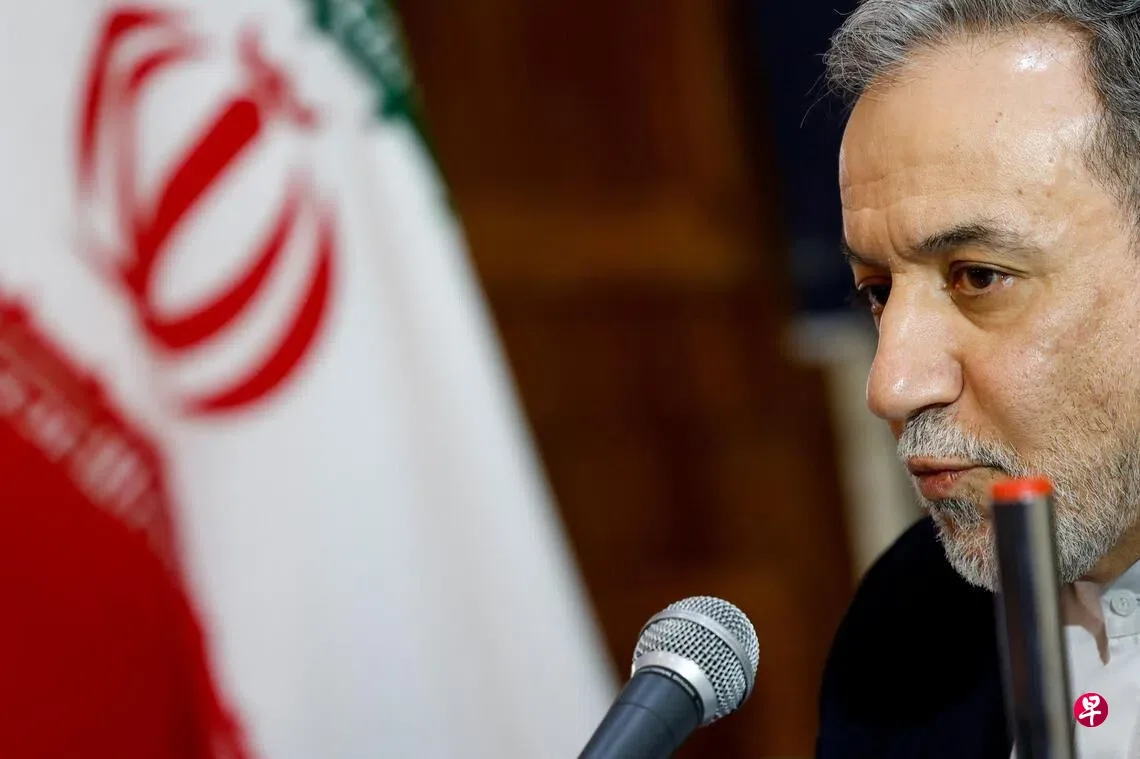
Iranian Foreign Minister Alaghaqi denied that Lebanon is being used as a bargaining chip and challenged Aoun’s accusations, saying, "If Lebanon was a bargaining chip for Iran, we would have reached an agreement with the US long ago. President Aoun, save Lebanon from your real enemies" [8].
The conflict traces back to a US-Israeli attack on Tehran on February 28, which escalated regional tensions. Hezbollah fired on Israel in March, starting the current hostilities [1, 2]. A fragile ceasefire had briefly taken effect in mid-April but fighting resumed [6].
The latest ceasefire talks brokered by the US set clear conditions on Hezbollah's withdrawal and cessation of attacks. Lebanon’s political leaders remain sharply divided, with Hezbollah rejecting the agreement and President Aoun openly criticizing its role and Iran’s influence.
The situation remains fluid after Aoun's June 5 interview and Iran’s June 6 denial. The US-mediated ceasefire framework awaits Hezbollah's acceptance to take effect [1, 2, 3, 8, 6, 7, 4, 5].