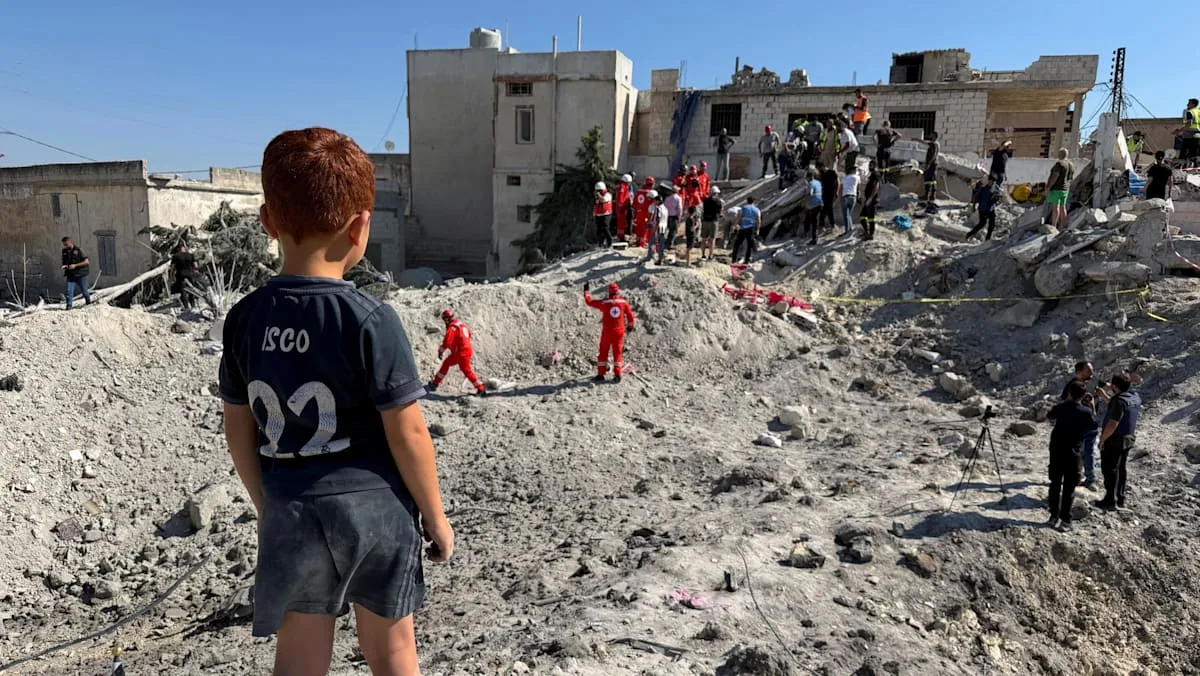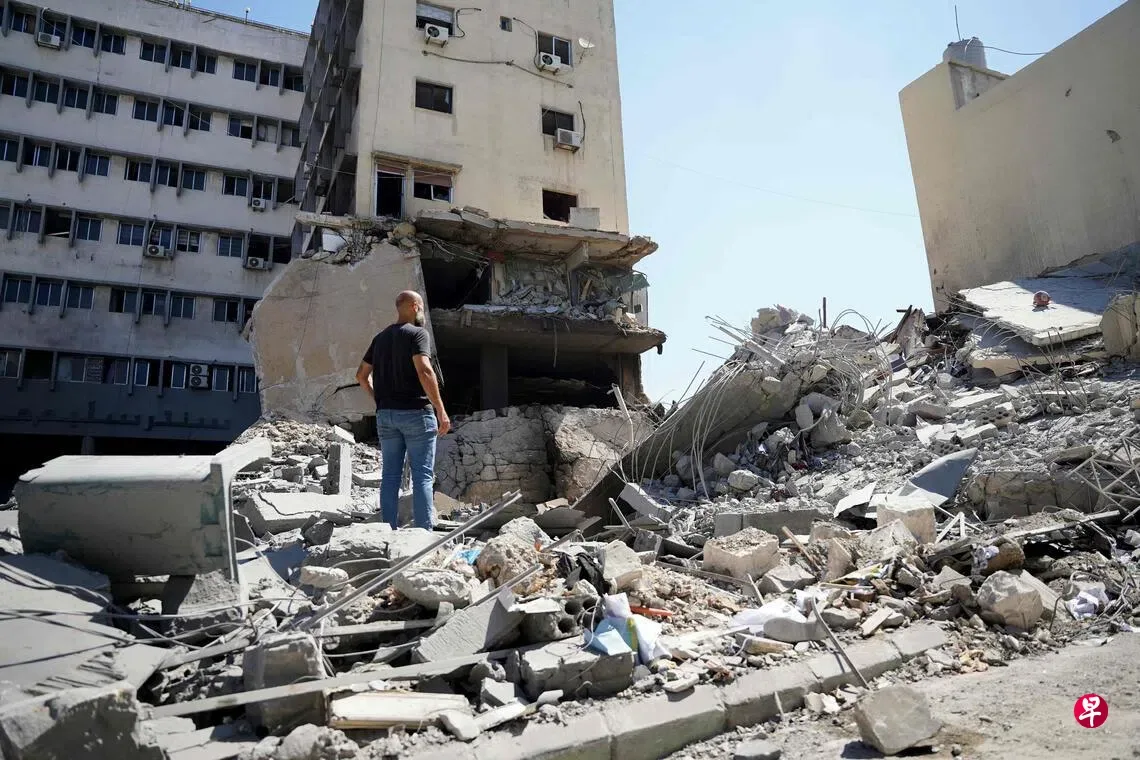
Israeli soldiers opened fire on June 23 in southern Lebanon near Nabatieh al-Fawqa, killing two men who were clearing a road with a bulldozer, according to multiple sources [1, 2, 3, 4, 5]. This is the first fatal incident since a ceasefire agreement between Iran and the U.S. came into effect four days earlier on June 19 to halt hostilities between Israel and Hezbollah [1, 2].
Hezbollah condemned the shootings as a "clear violation and betrayal" of the ceasefire [1, 2, 3, 4, 5]. Its Secretary-General Naem Qassem demanded Israel withdraw completely from all Lebanese territory on a fixed timetable. Qassem said, "Israel has no option but to withdraw completely from all Lebanese territory" during a televised speech on June 23 [6, 5]. He also expects the Lebanese army to deploy exclusively south of the Litani River once Israel withdraws [6, 5].
Israel justified the shooting by saying soldiers fired after detecting armed militants or terrorists approaching their positions in what it considers a security zone [2, 7, 3, 4, 5]. This account is disputed by Lebanese and Hezbollah sources, who say the victims were civilians clearing roads, making the incident a deadly breach of the ceasefire [1, 3, 4, 5].
The longer Gaza conflict involving Hezbollah and Israel has caused over 4,100 deaths in Lebanon since March 2026, including civilians, women, children, and medical workers [1, 6]. About 1.2 million Lebanese have been displaced by Israeli military activity [1]. The United Nations Development Program and Lebanese research bodies estimate the damage to buildings in southern Lebanon from Israeli attacks at more than $1.38 billion [6].
The Lebanese government rejects Israeli occupation and interference, underscoring its sovereignty in ongoing negotiations with Israel [3, 4, 5]. Israeli Prime Minister Benjamin Netanyahu insists Israeli forces retain full freedom to act against perceived threats in Lebanon [6, 3, 4, 5].
Following the June 23 shooting, some displaced families began returning to southern Lebanese towns, although many remain fearful [1]. On the same day, the fifth round of direct Israeli-Lebanese negotiations took place in Washington amid rising tensions [6, 4, 5].
Iran's permanent representative to the UN Office in Geneva warned that breaches of the Lebanon memorandum risked undermining peace talks and called on the U.S. to pressure Israel to stop attacks [1].
The ceasefire remains fragile after this deadly incident. Negotiators face pressure to resume talks and prevent further violence in the coming days.